
"Life is a fatal complaint, and an eminently contagious one." - Oliver Wendell Holmes
***
What Girls Want
A series of vampire novels illuminates the complexities of female adolescent desire.
"Divorce in a young-adult novel means what being orphaned meant in a fairy tale: vulnerability, danger, unwanted independence. It also means that the protagonists must confront the sexuality of their parents at the moment they least want to think about such realities...
The only thing as difficult for a girl as a divorce—if we are to judge from stories aimed at the teen market—is a move... [In] Are You There God? It’s Me, Margaret, Judy Blume heightened the anxiety in her tale of a girl awaiting her first period by beginning the story with Margaret’s move to the suburbs. The drama and anguish with which girls confront such disruptions to their domestic lives are typical both of the narcissism that can make living with a teenage girl one of the most unpleasant experiences God metes out to the unsuspecting, and of the ways that, for women, puberty is the most psychologically complex and emotionally alive experience of their lives...
The salient fact of an adolescent girl’s existence is her need for a secret emotional life—one that she slips into during her sulks and silences, during her endless hours alone in her room, or even just when she’s gazing out the classroom window while all of Modern European History, or the niceties of the passé composé, sluice past her. This means that she is a creature designed for reading in a way no boy or man, or even grown woman, could ever be so exactly designed, because she is a creature whose most elemental psychological needs—to be undisturbed while she works out the big questions of her life, to be hidden from view while still in plain sight, to enter profoundly into the emotional lives of others—are met precisely by the act of reading...
The Twilight series is not based on a true story, of course, but within it is the true story, the original one. Twilight centers on a boy who loves a girl so much that he refuses to defile her, and on a girl who loves him so dearly that she is desperate for him to do just that, even if the wages of the act are expulsion from her family and from everything she has ever known. We haven’t seen that tale in a girls’ book in a very long time. And it’s selling through the roof...
Edward’s languid, androgynous beauty—slim and feline, possessed of tousled hair and golden eyes—predictably anger and confuse Bella, although they do nothing to cool her awakening physical passion for her smoldering, obdurate antagonist. (This poignant aspect of the female heart proves once again a theory advanced by a high-school chum of mine, an improbable lothario who replied when I demanded that he explain his freakish success with the ladies: “Chicks thrive on rejection.”) Edward puts the young girl into a state of emotional confusion and vulnerability that has been at the heart of female romantic awakening since the beginning of time.
Bella is an old-fashioned heroine: bookish, smart, brave, considerate of others’ emotions, and naturally competent in the domestic arts... Indeed, the book, which is set in contemporary America and centers on teenage life and culture, carries a strange—and I imagine deeply comforting to its teenage-girl readers—aura of an earlier time in American life and girlhood... Like the Harry Potter series, the Twilight books are ostensibly set in the present, but—in terms of the mores, attitudes, and even the central elements of daily life portrayed within them—clearly evoke the culture of the author’s adolescence... Stephenie Meyer has re-created the sort of middle-class American youth in which it was unheard-of for a nice girl to be a sexual aggressor, and when the only coin of the realm for a boy who wanted to get lucky was romance and a carefully waged campaign intended to convince the girl that he was consumed by love for her...
In today’s world of Y.A. fiction, it constitutes an almost bizarre moment. (Few things are as bewildering to contemporary parents as the sexual mores and practices of today’s adolescents. We were prepared to give our children a “sex is a beautiful thing” lecture; they were prepared to have oral sex in the eighth grade.)
Think, for a moment, of the huge teen-girl books of the past decade. The Sisterhood of the Traveling Pants is about female empowerment as it’s currently defined by the kind of jaded, 40-something divorcées who wash ashore at day spas with their grizzled girlfriends and pollute the Quiet Room with their ceaseless cackling about the uselessness of men. They are women who have learned certain of life’s lessons the hard way and think it kind to let young girls understand that the sooner they grasp the key to a happy life (which essentially boils down to a distaff version of “Bros before hos”), the better... Gossip Girl, another marketing sensation, replaces girls’ old-fashioned need for male love and tenderness—these chippies could make a crack whore look like Clara Barton—with that for shopping and brand names...
Edward has been avoiding and scorning Bella not because he loathes her but because he is so carnally attracted to her that he cannot trust himself to be around her for even a moment. The mere scent of her hair is powerful enough that he is in a constant struggle to avoid taking—and thereby destroying—her. This is a vampire novel, so it is a novel about sex, but no writer, from Bram Stoker on, has captured so precisely what sex and longing really mean to a young girl...
(Because it takes three and a half very long books before Edward and Bella get it on—during a vampiric frenzy in which she gets beaten to a pulp, and discovers her Total Woman—and because Edward has had so many decades to work on his moves, the books constitute a thousand-page treatise on the art of foreplay.) That the author is a practicing Mormon is a fact every reviewer has mentioned, although none knows what to do with it, and certainly none can relate it to the novel... But the attitude toward female sexuality—and toward the role of marriage and childbearing—expressed in these novels is entirely consistent with the teachings of that church... What is interesting is how deeply fascinated young girls, some of them extremely bright and ambitious, are by the questions the book poses, and by the solutions their heroine chooses...
The Twilight series so resonates with girls because it perfectly encapsulates the giddiness and the rapture—and the menace—that inherently accompany romance and sex for them...
One of the signal differences between adolescent girls and boys is that while a boy quickly puts away childish things in his race to initiate a sexual life for himself, a girl will continue to cherish, almost to fetishize, the tokens of her little-girlhood. She wants to be both places at once—in the safety of girl land, with the pandas and jump ropes, and in the arms of a lover, whose sole desire is to take her completely. And most of all, as girls work all of this out with considerable anguish, they want to be in their rooms, with the doors closed and the declarations posted. The biggest problem for parents of teenage girls is that they never know who is going to come barreling out of that sacred space: the adorable little girl who wants to cuddle, or the hard-eyed young woman who has left it all behind."
Tsk, another anti-feminist novel.

L'origine de Bert
Tuesday, December 02, 2008
"Any clod can have the facts, but having opinions is an art." - Charles McCabe
***
Baltics trip
Day 12 - 27th May - Tallinn, Estonia; Selected pictures/videos from HWMNBN and YC

IIRC this section of stonework was joined to the town walls. Note the bank, casino and toilet

Modern Capitalism and Historic Locales

Tower in Town Wall

More developed (and more boring) part of Tallinn (outside of Old Town)

? cabinet at Kadriorg Museum

Pistols

Ceiling painting. Nymphs frolicking?


Jupiter and Juno

Kadriorg Museum Corridor

Another view of Venus of the Beautiful Buttocks


Sculptures


Venus de Milo copy


St Catherine's Passage
Dominican Monastery Claustrum courtyard (outside it)

Dominican Monastery Claustrum hall
Forging my ticket for the Dominican Monastery Museum

Dominican Monastery Museum ambulatory

nw.t and Portal of Power


Church of the Holy Ghost

Street

An Odd Trio

Me after using the amenities at the Three Sisters hotel


Architecture


Pegasus


Stuff YC saw on his own, including towers on the town wall at another part of town and a theatre
***
Baltics trip
Day 12 - 27th May - Tallinn, Estonia; Selected pictures/videos from HWMNBN and YC
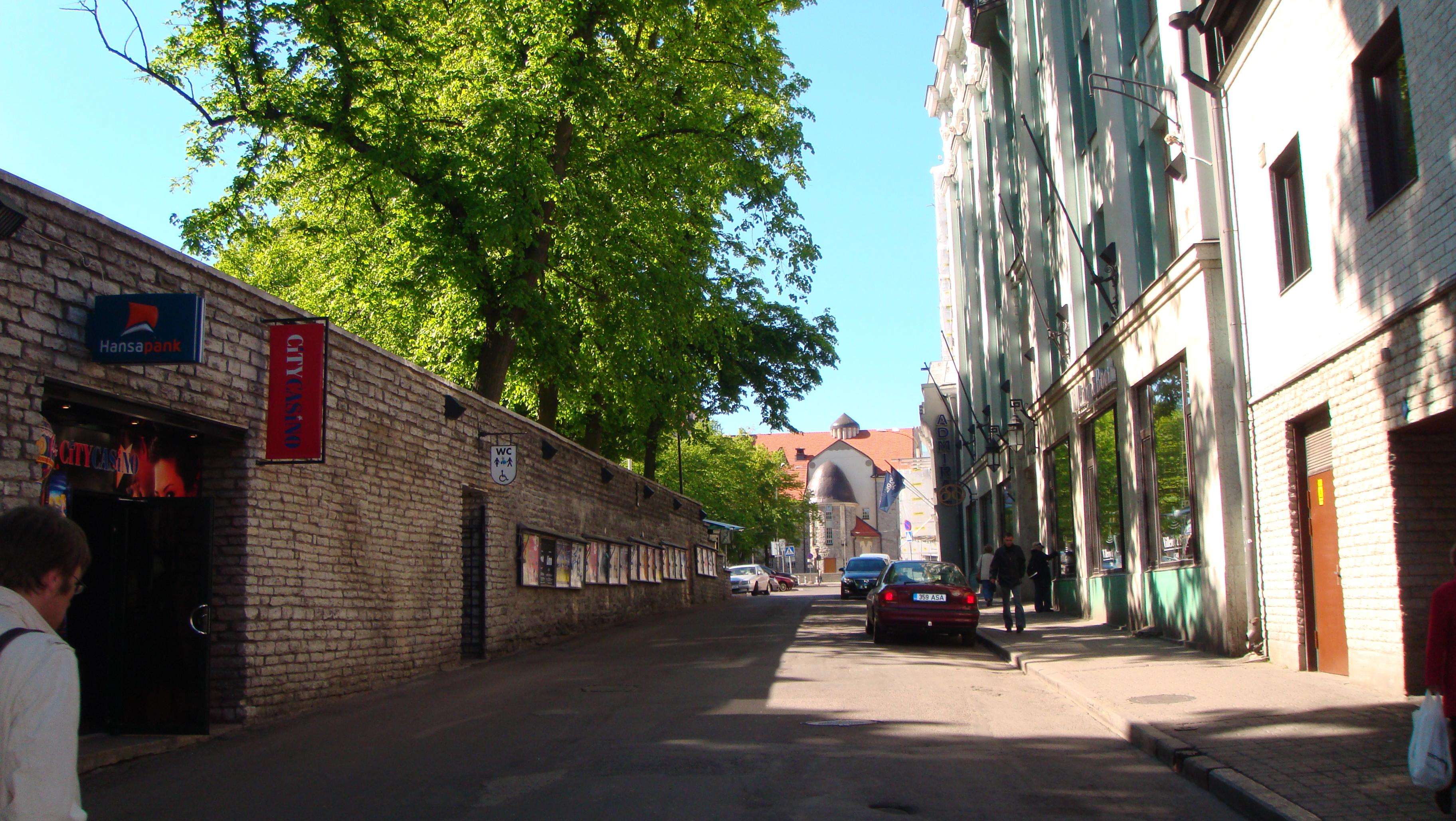
IIRC this section of stonework was joined to the town walls. Note the bank, casino and toilet
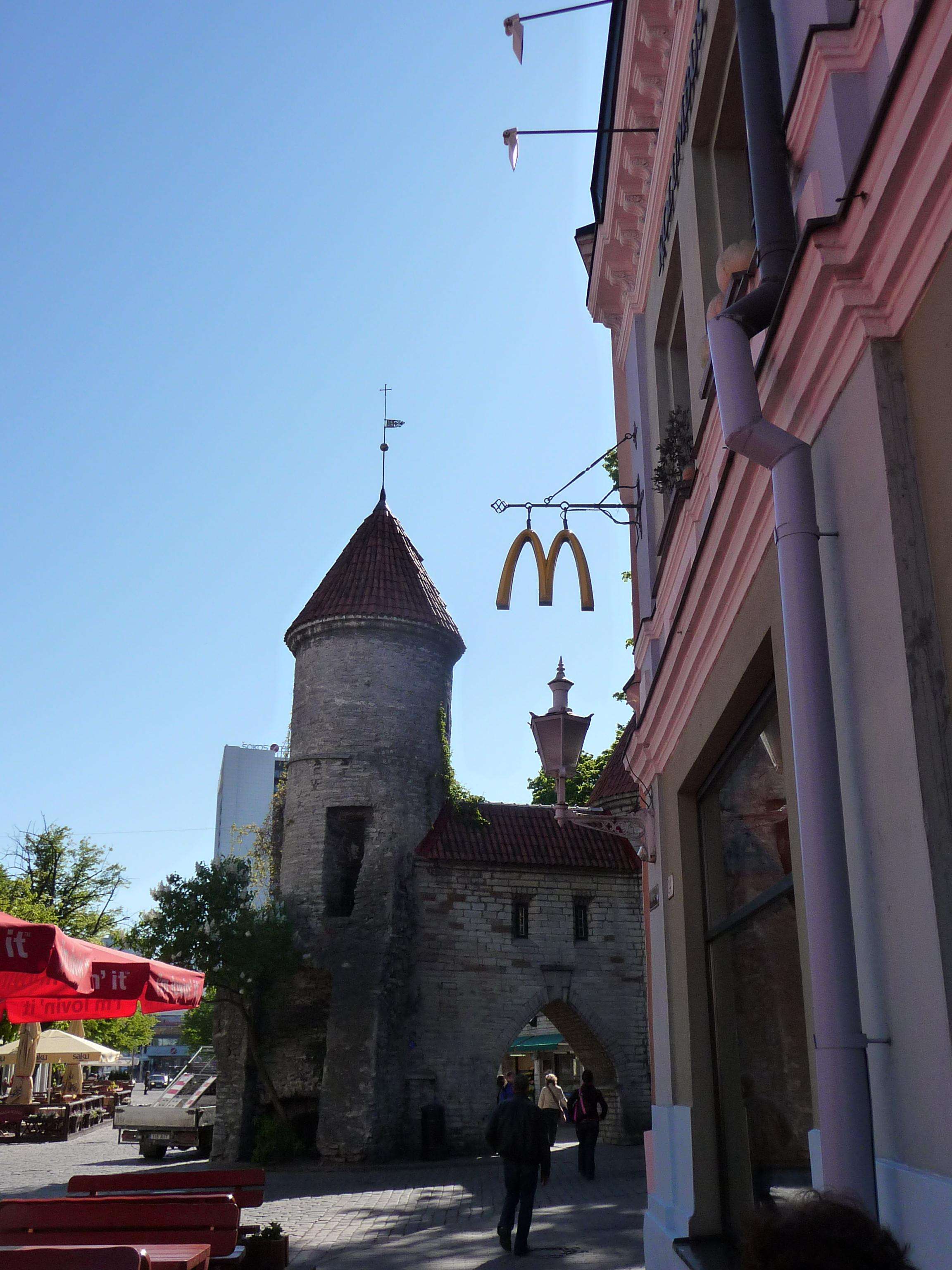
Modern Capitalism and Historic Locales
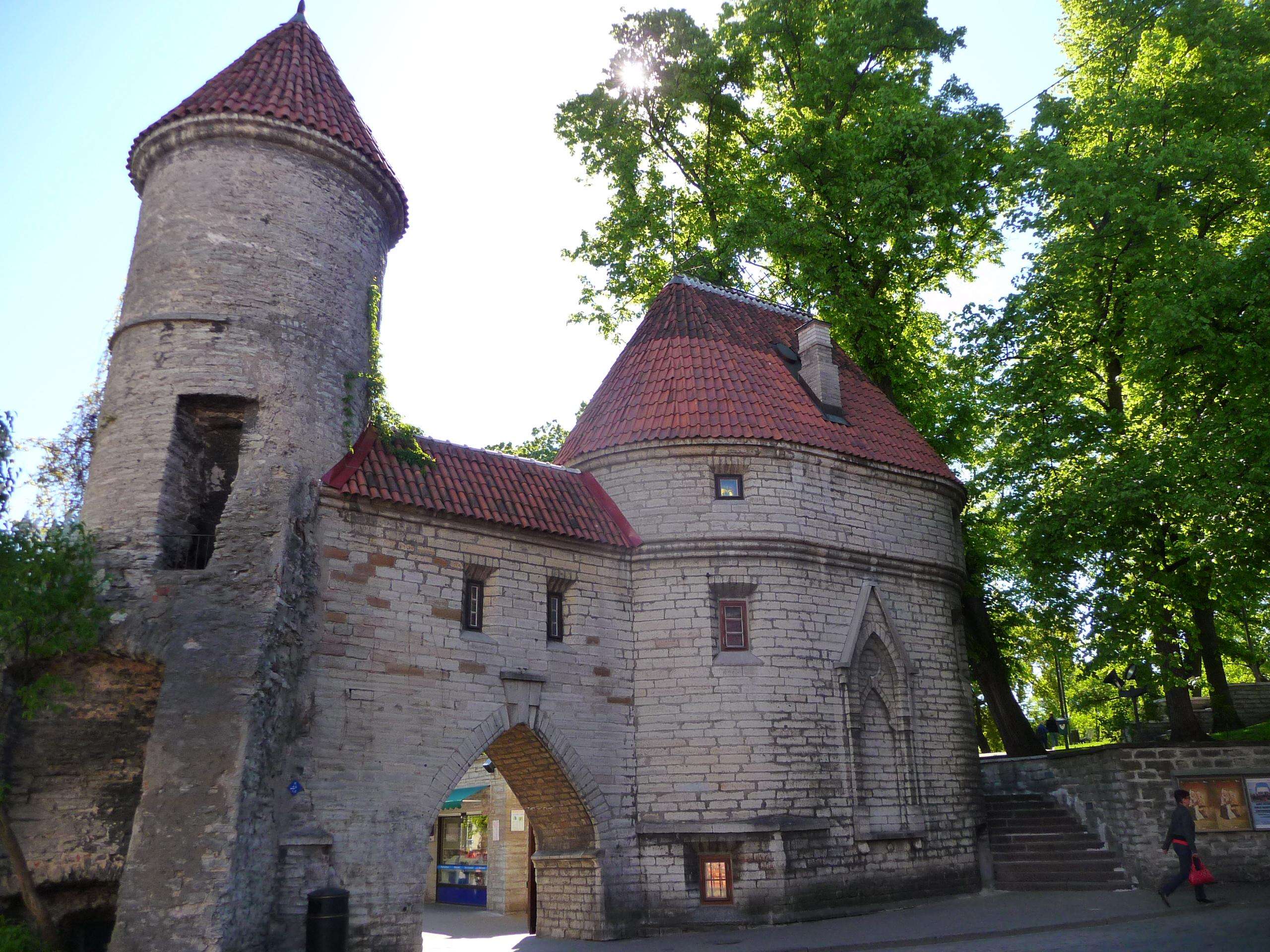
Tower in Town Wall
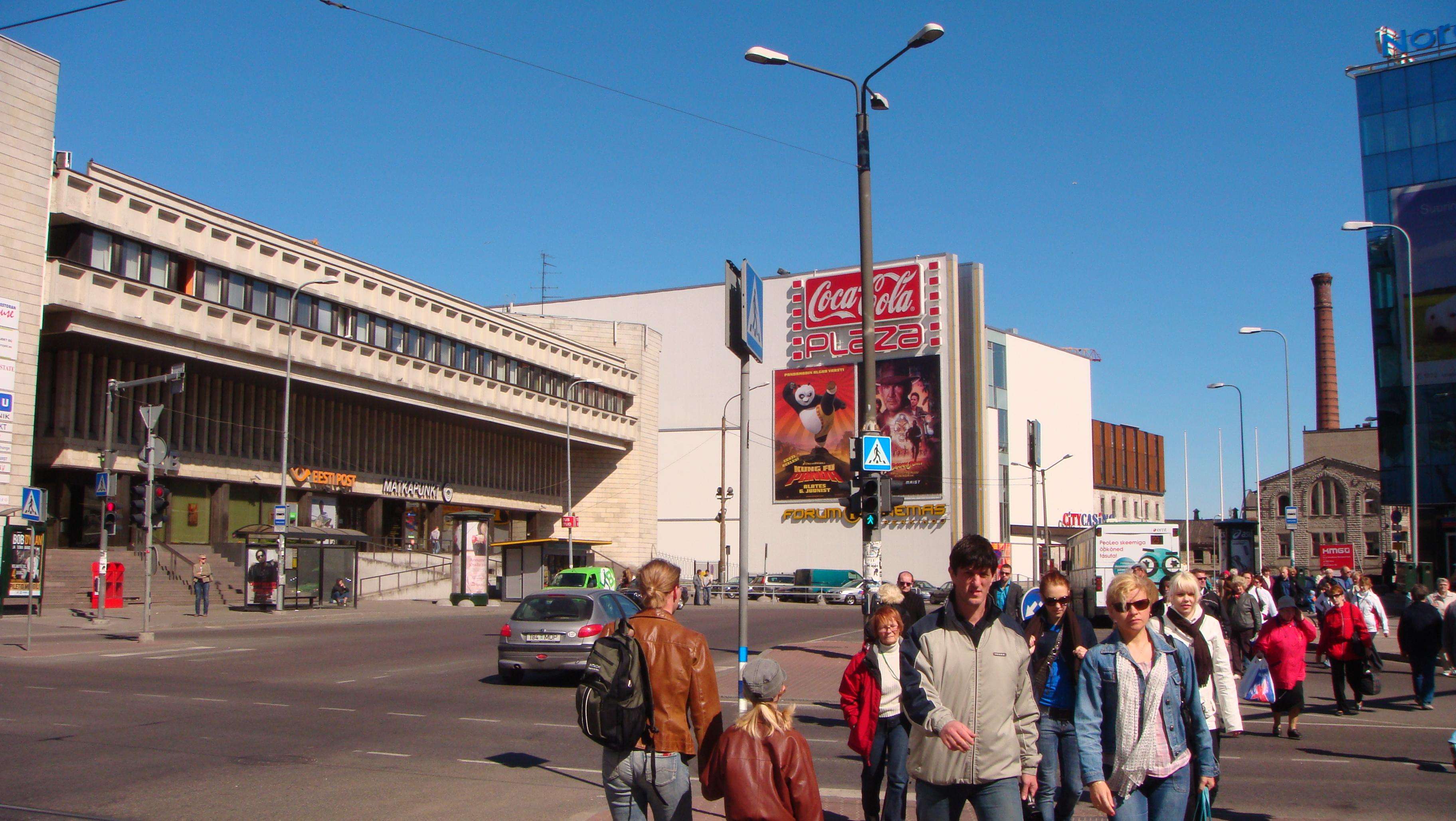
More developed (and more boring) part of Tallinn (outside of Old Town)
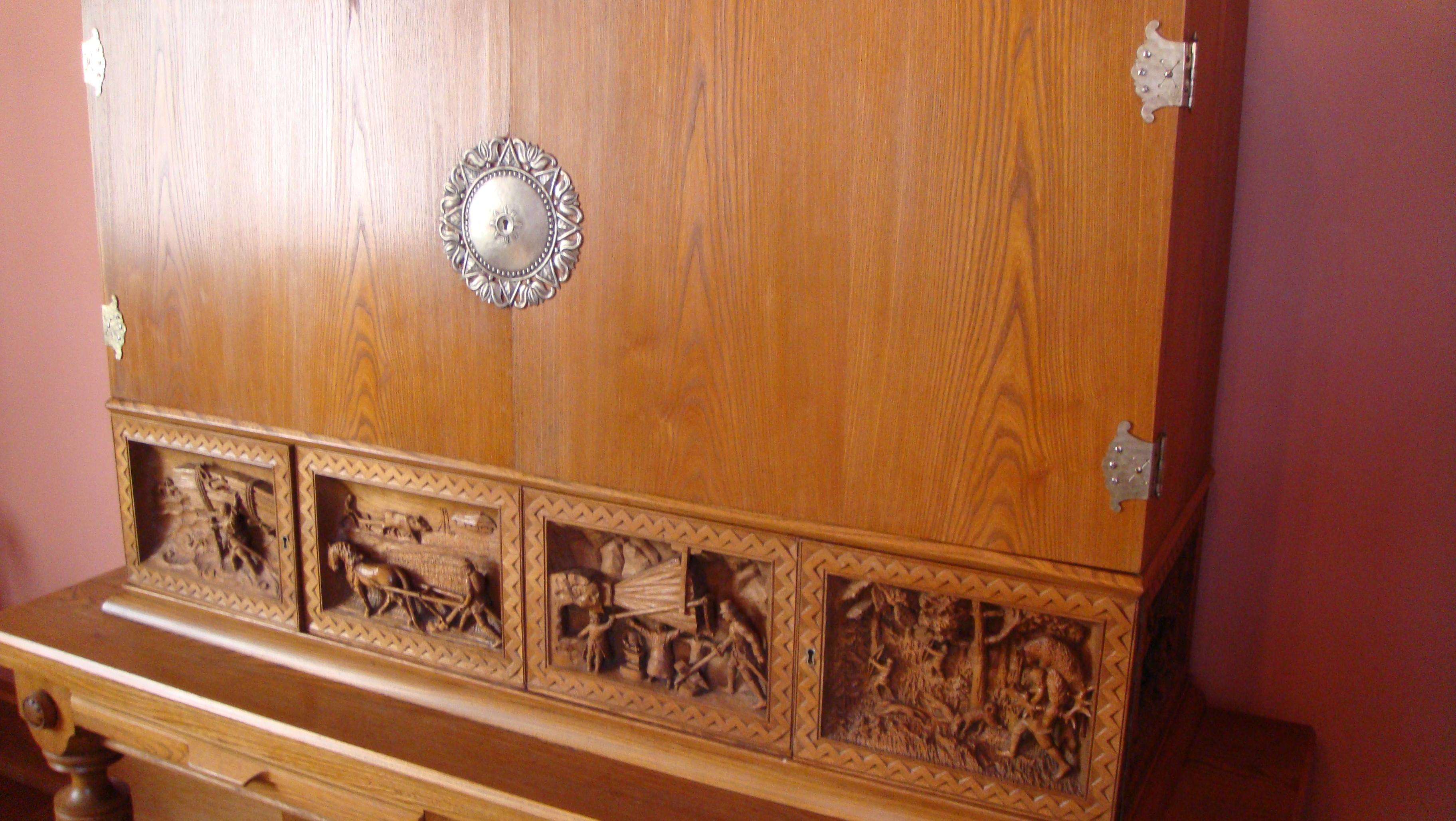
? cabinet at Kadriorg Museum
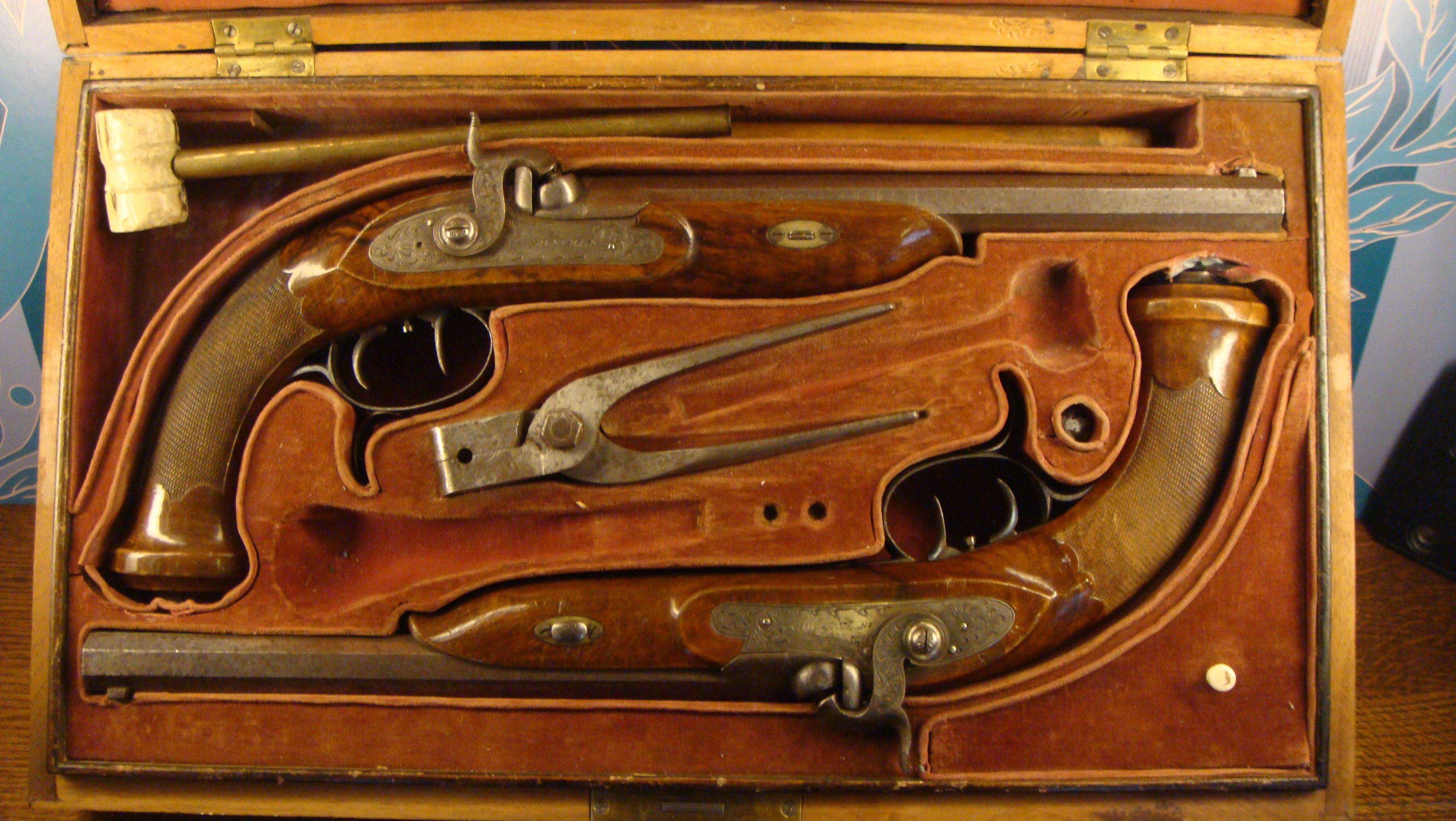
Pistols
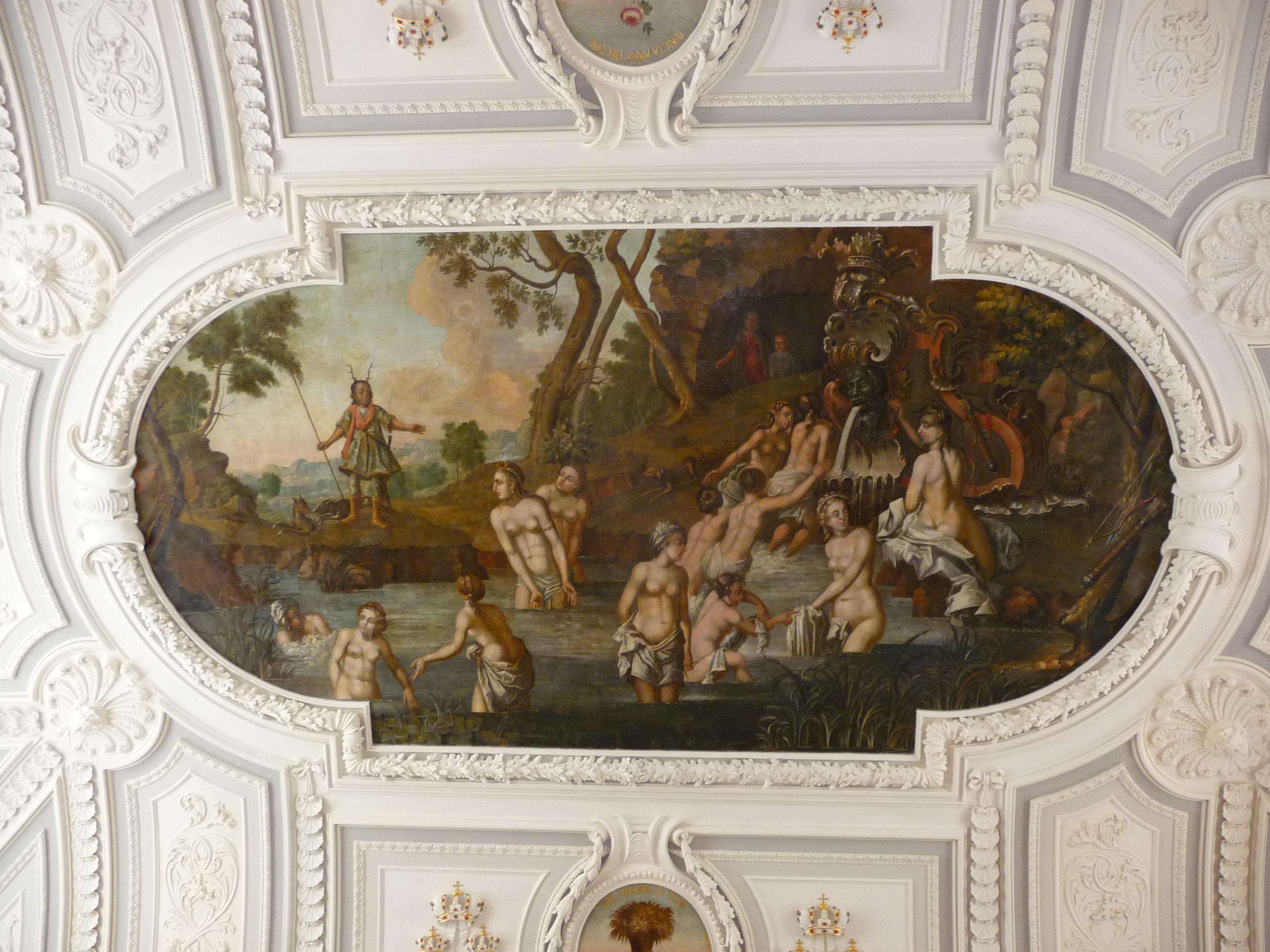
Ceiling painting. Nymphs frolicking?
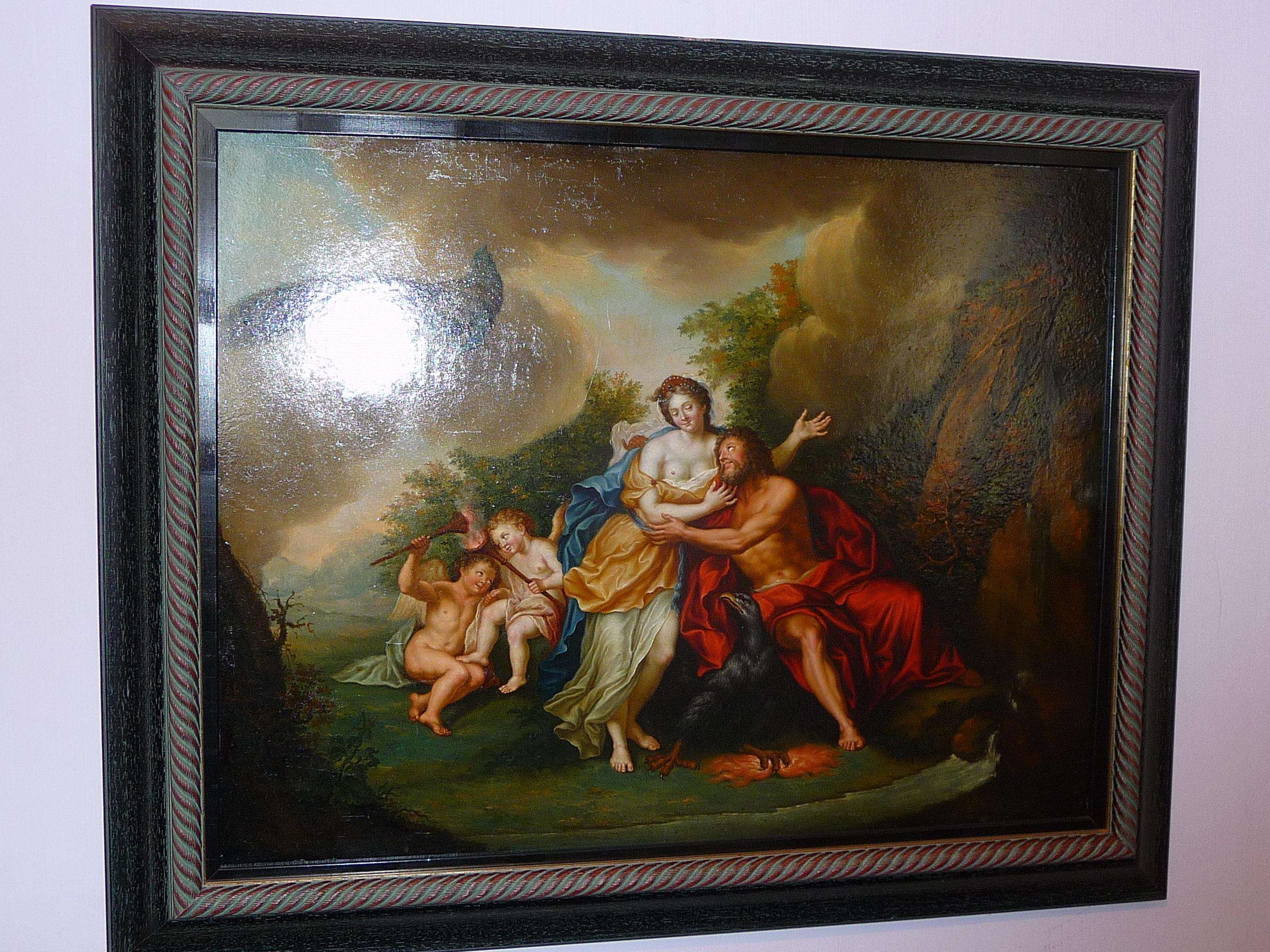

Jupiter and Juno
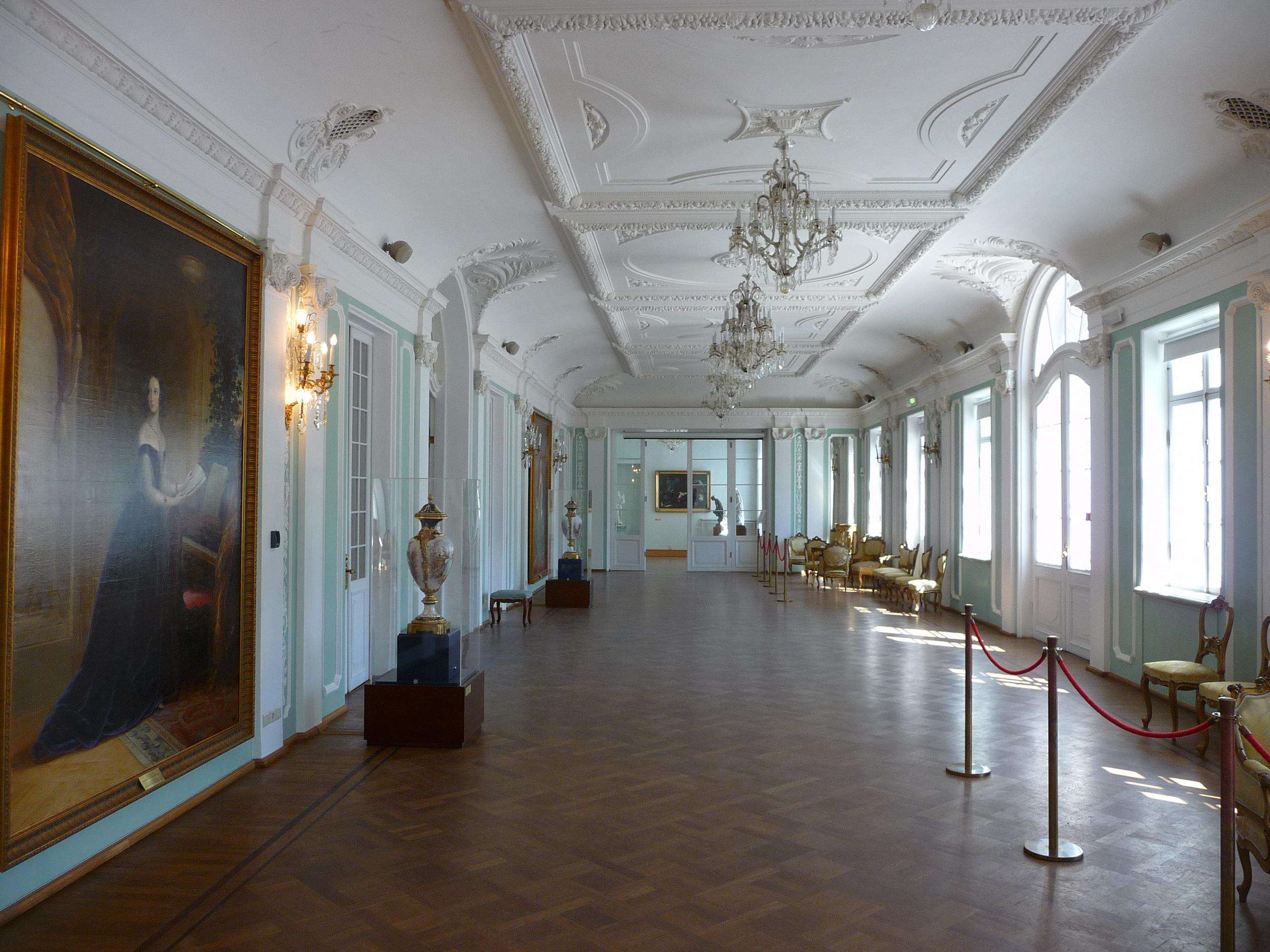
Kadriorg Museum Corridor
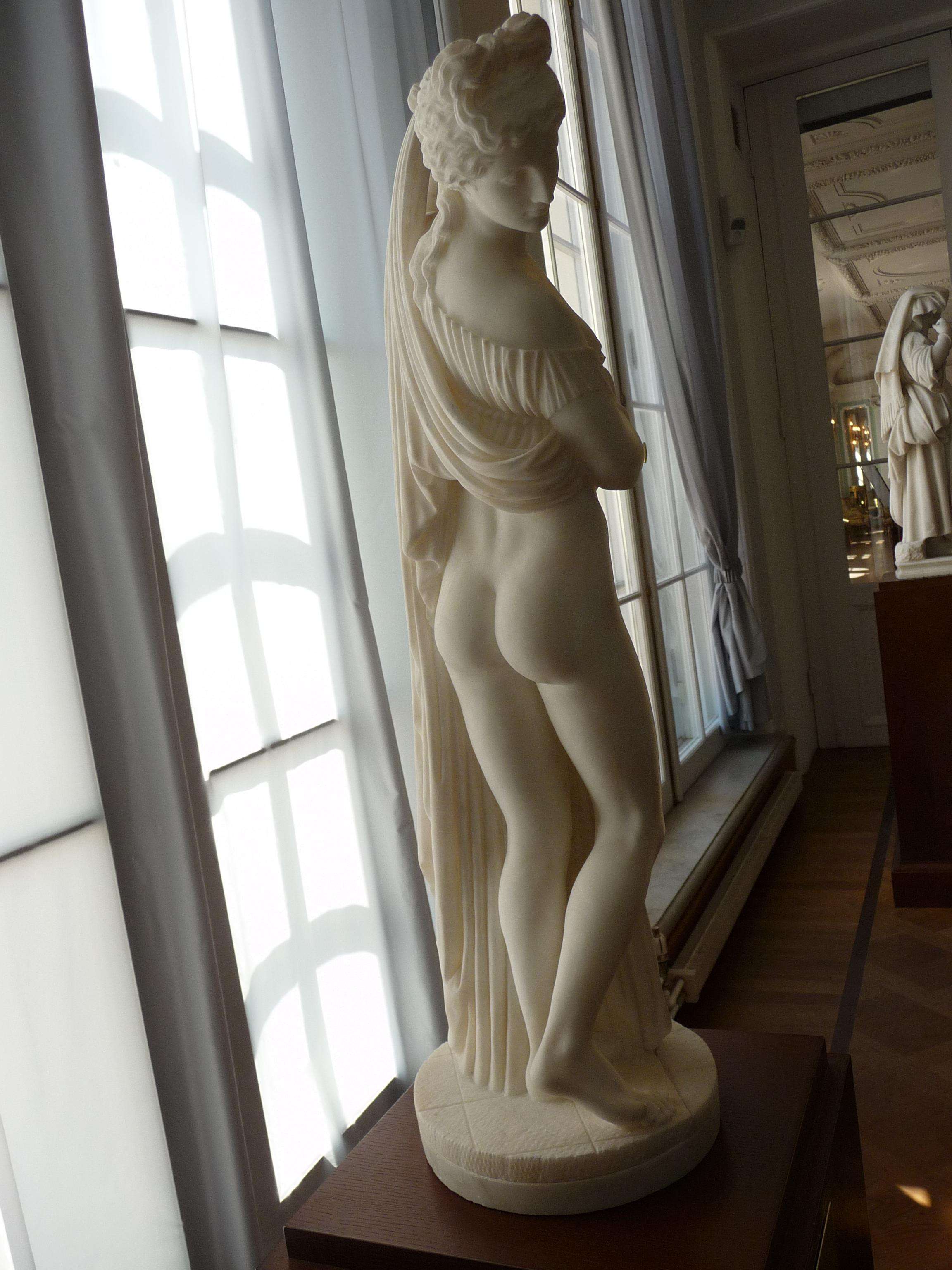
Another view of Venus of the Beautiful Buttocks
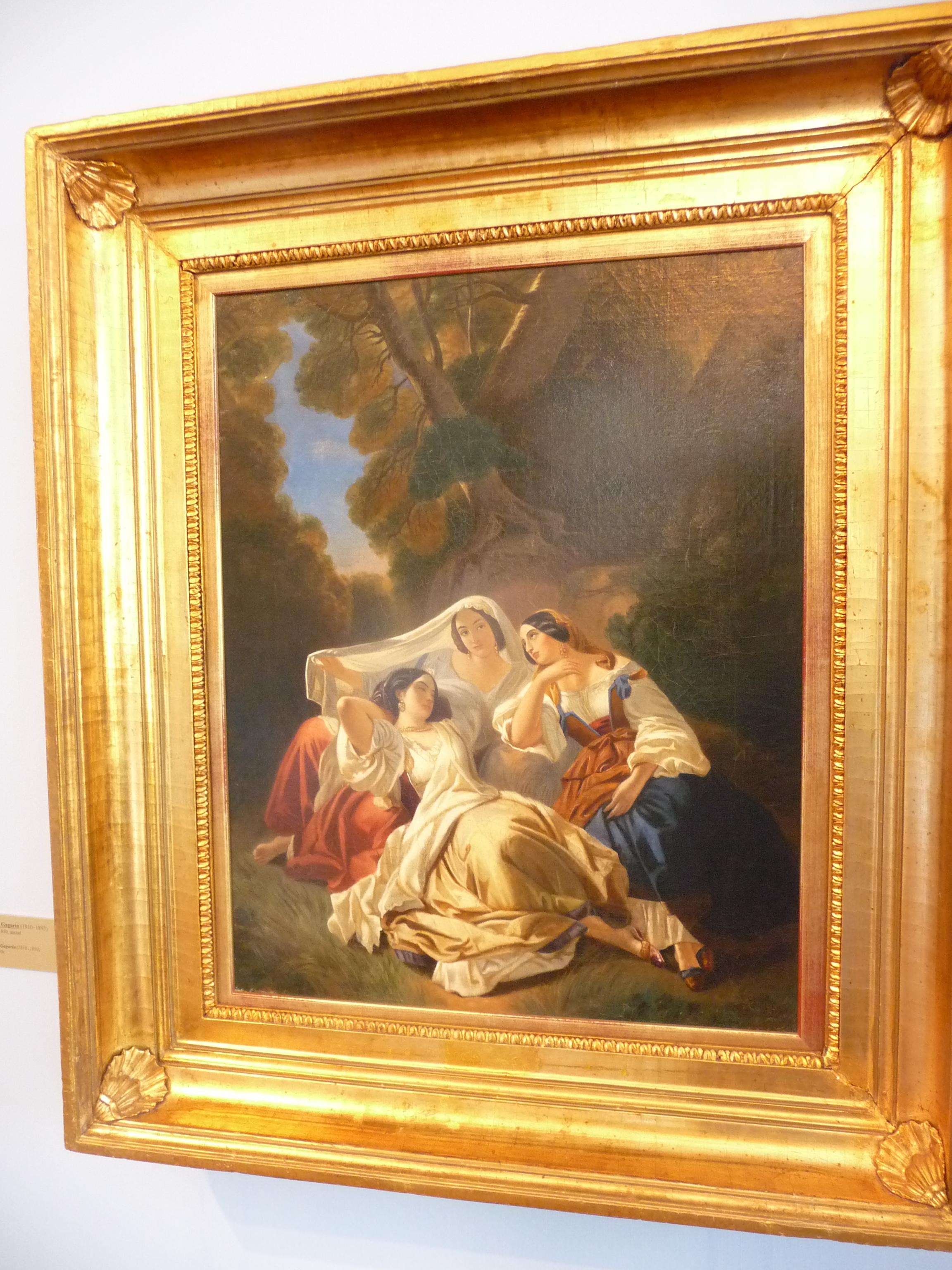
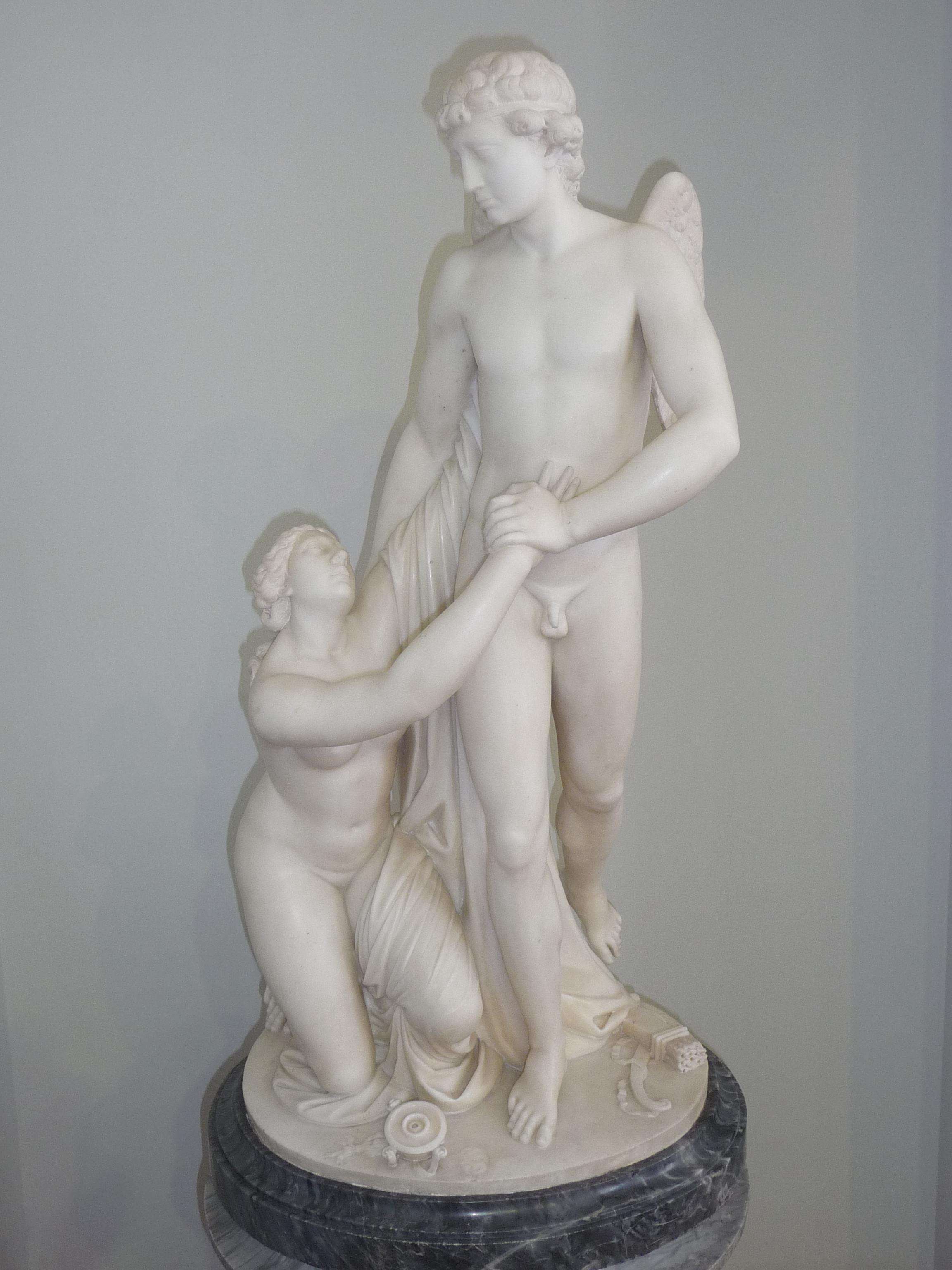
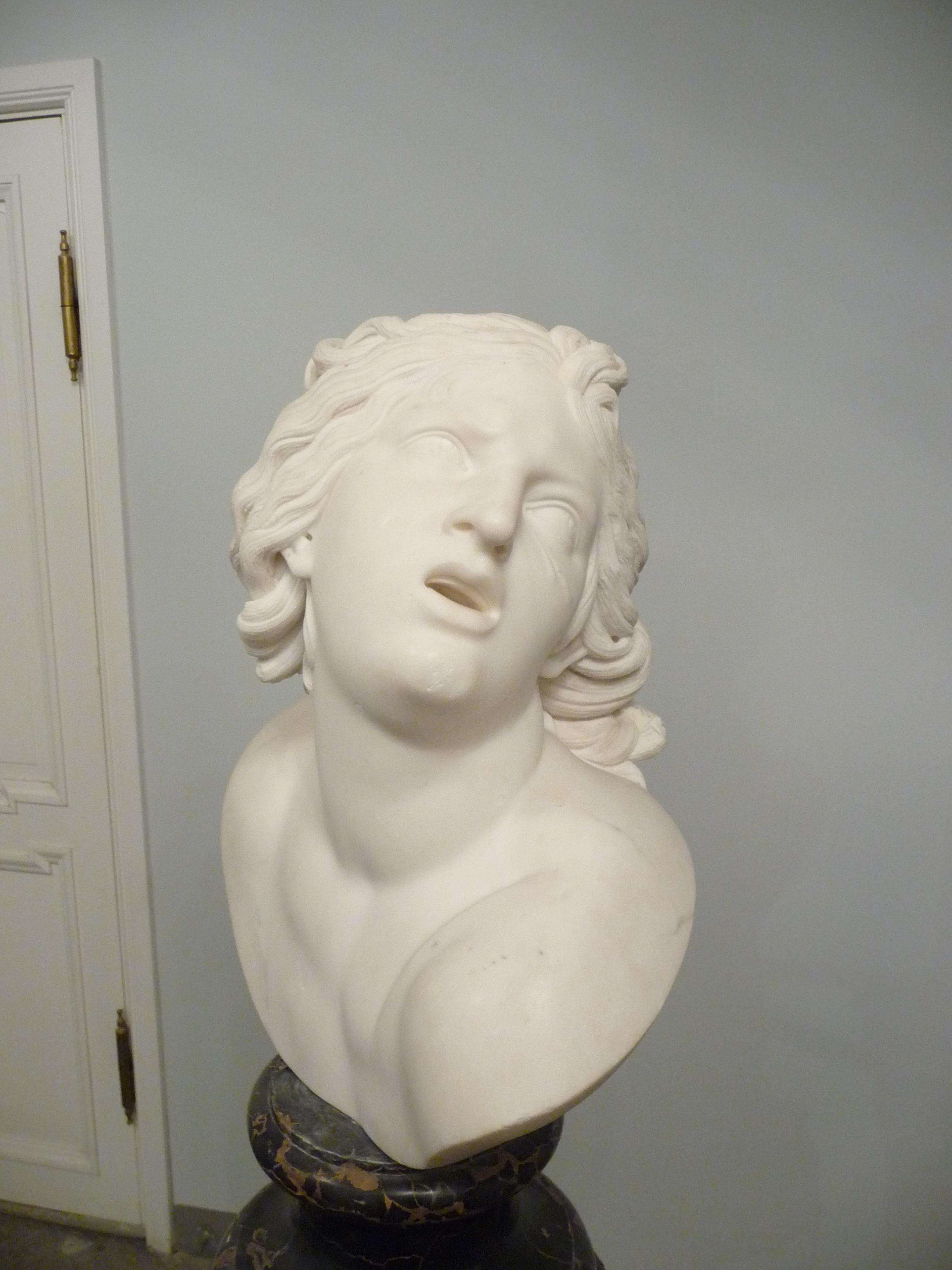
Sculptures
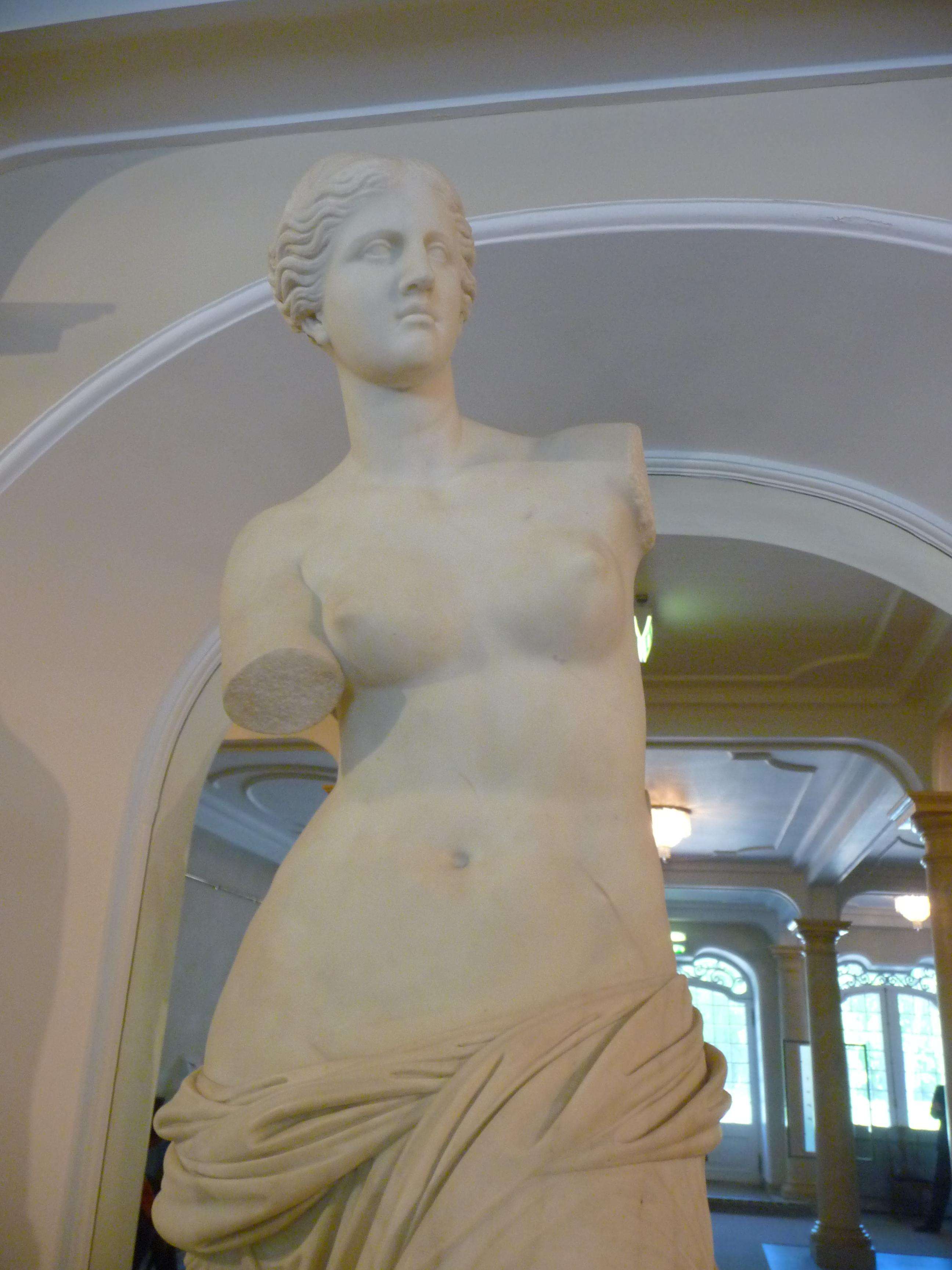
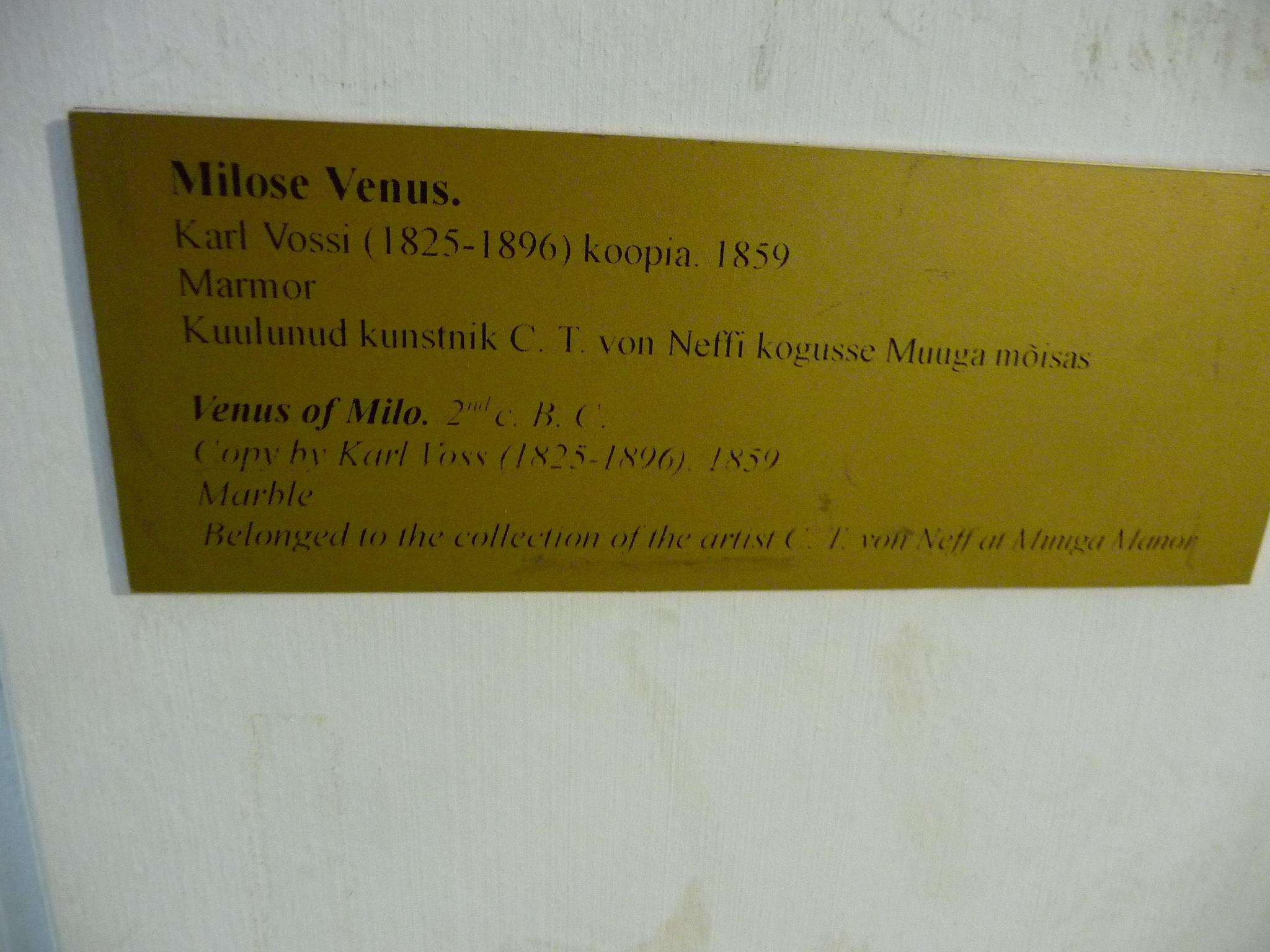
Venus de Milo copy
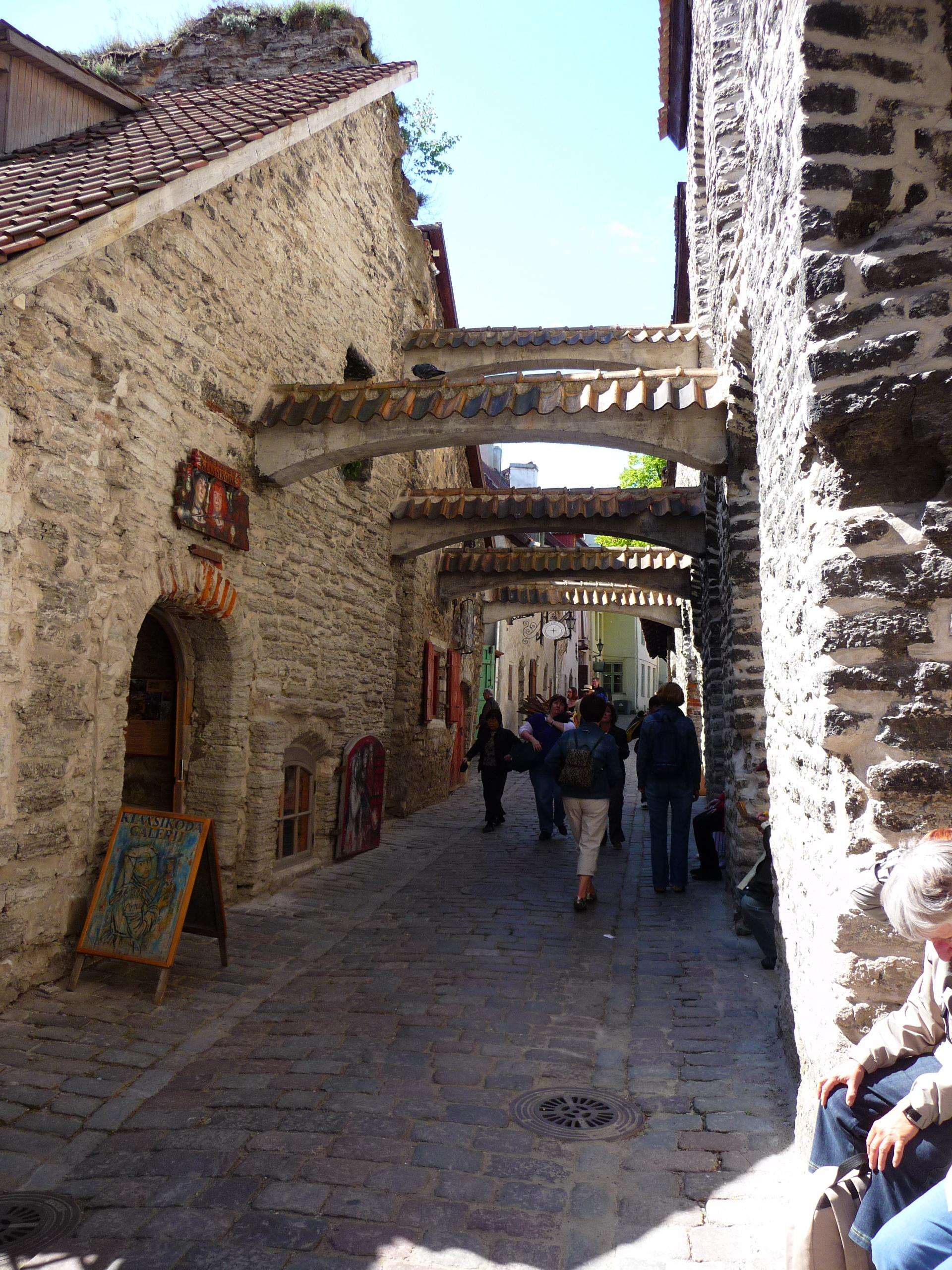
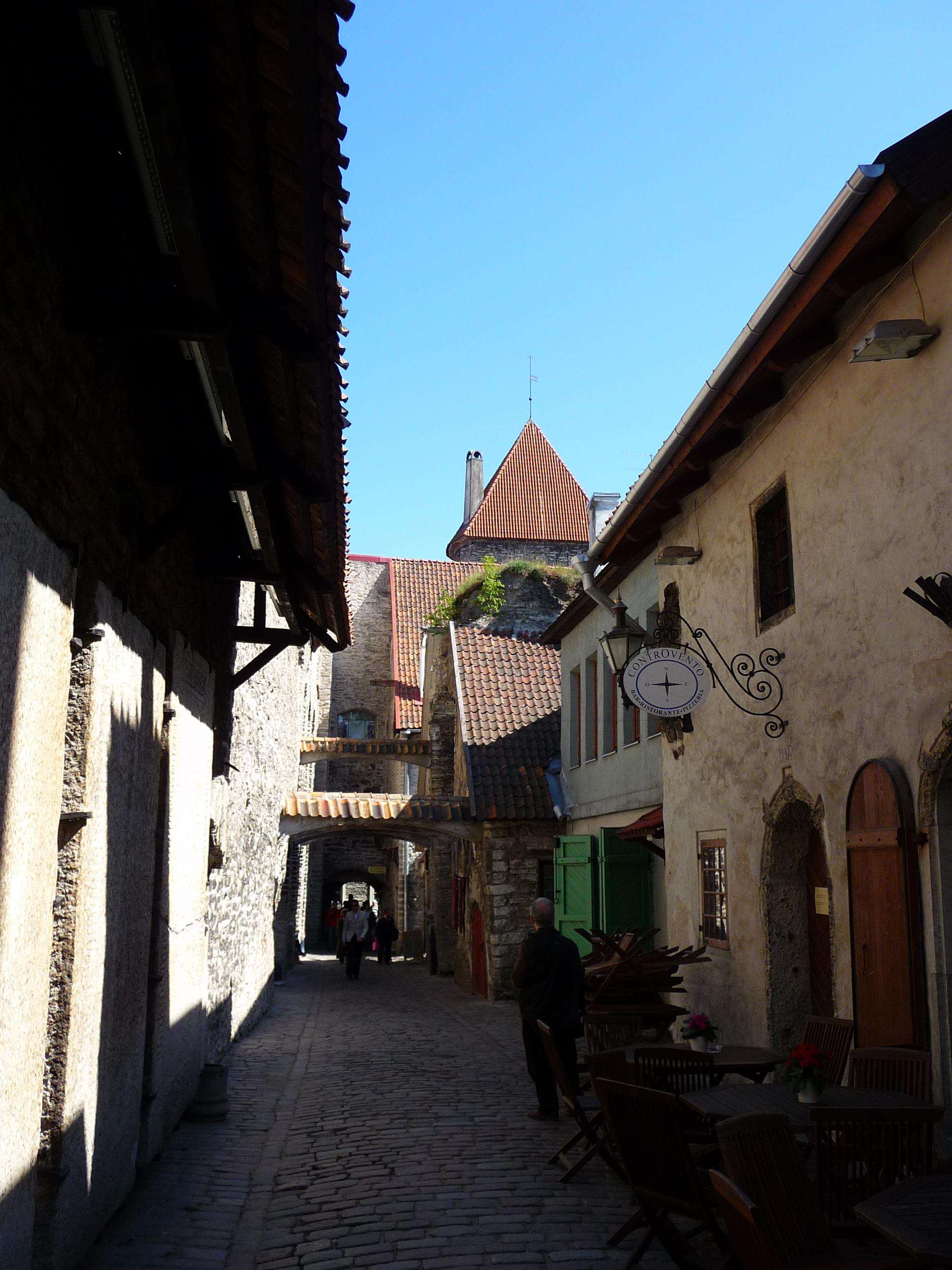
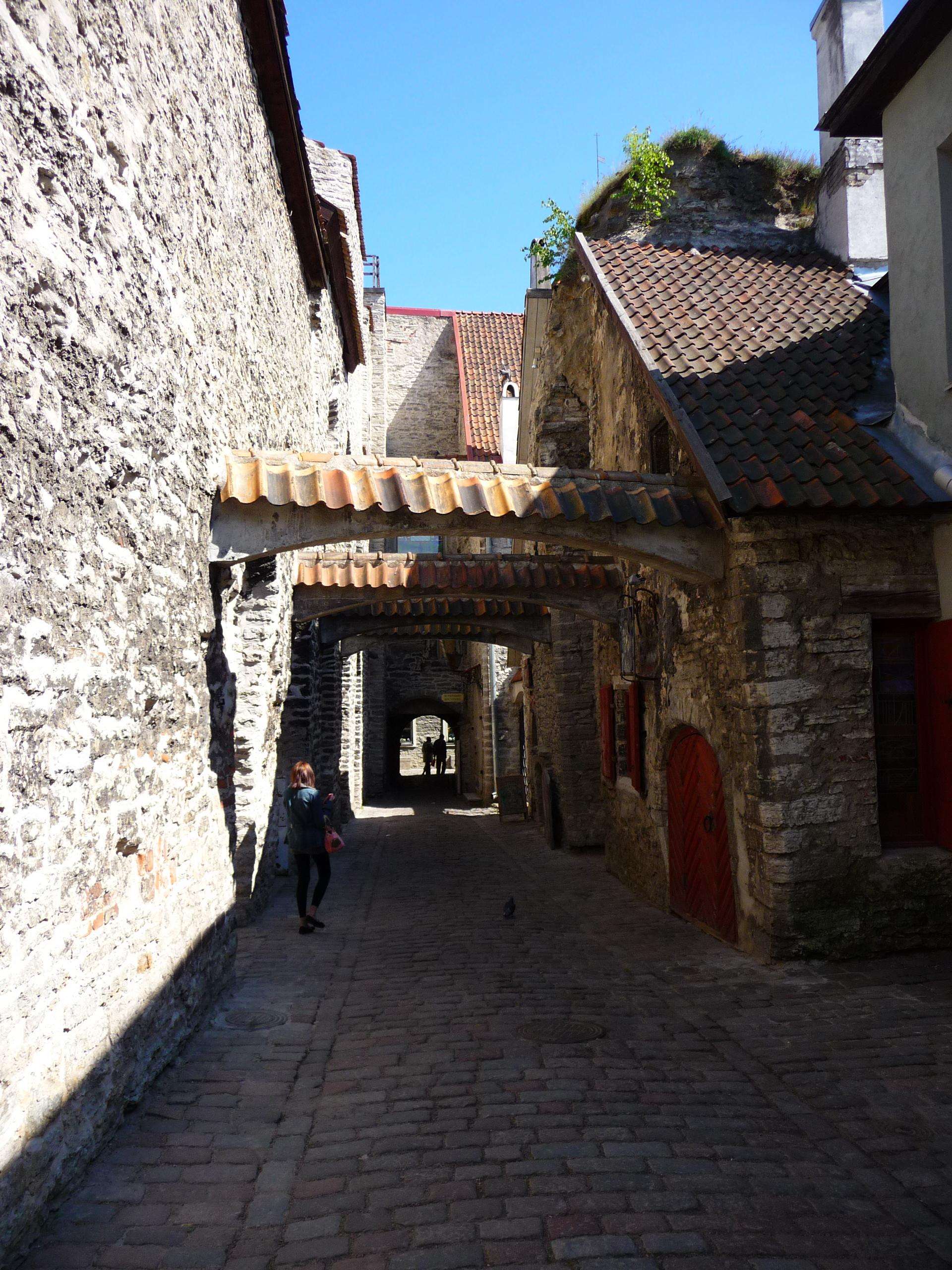
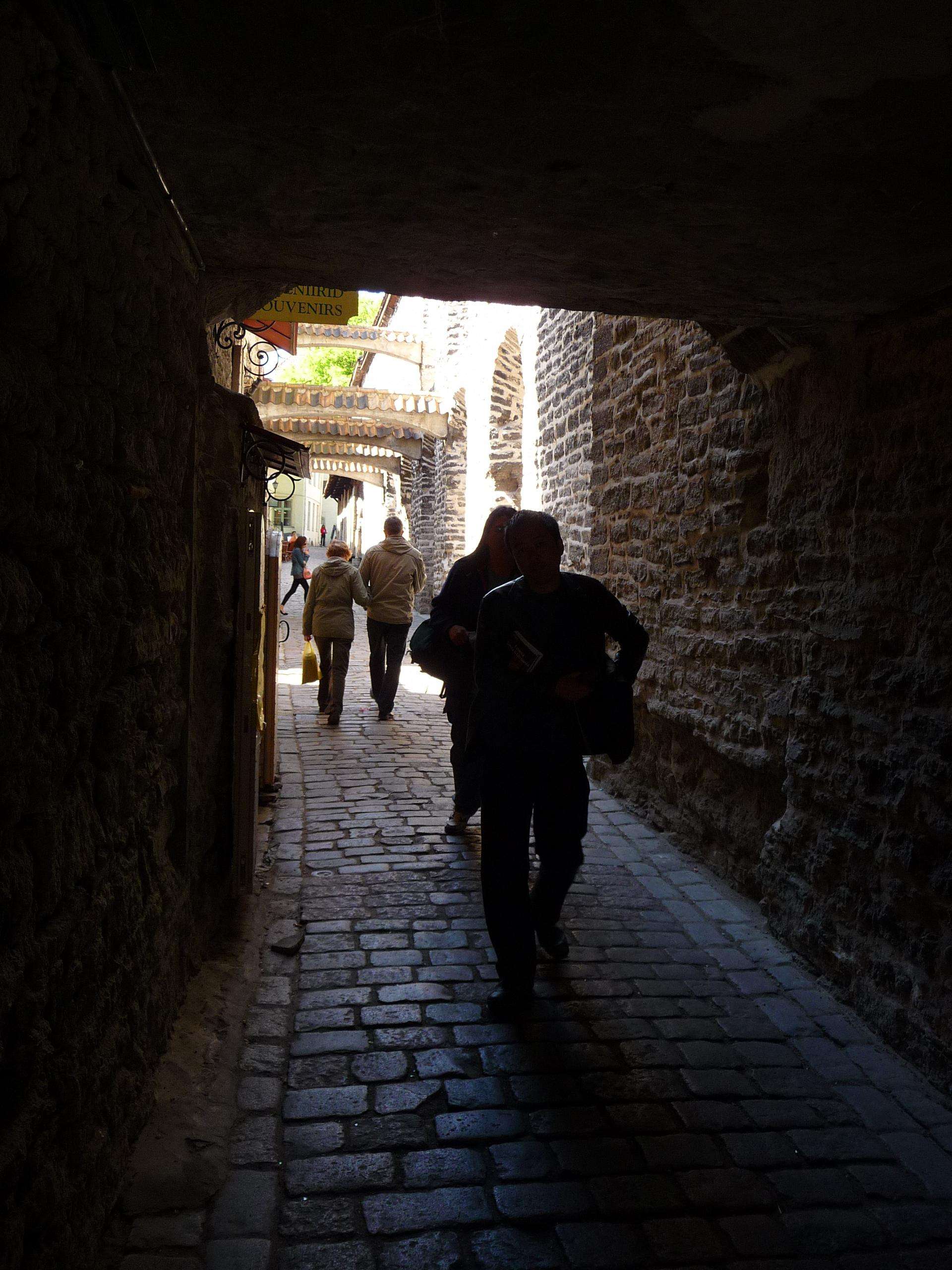
St Catherine's Passage
Dominican Monastery Claustrum courtyard (outside it)
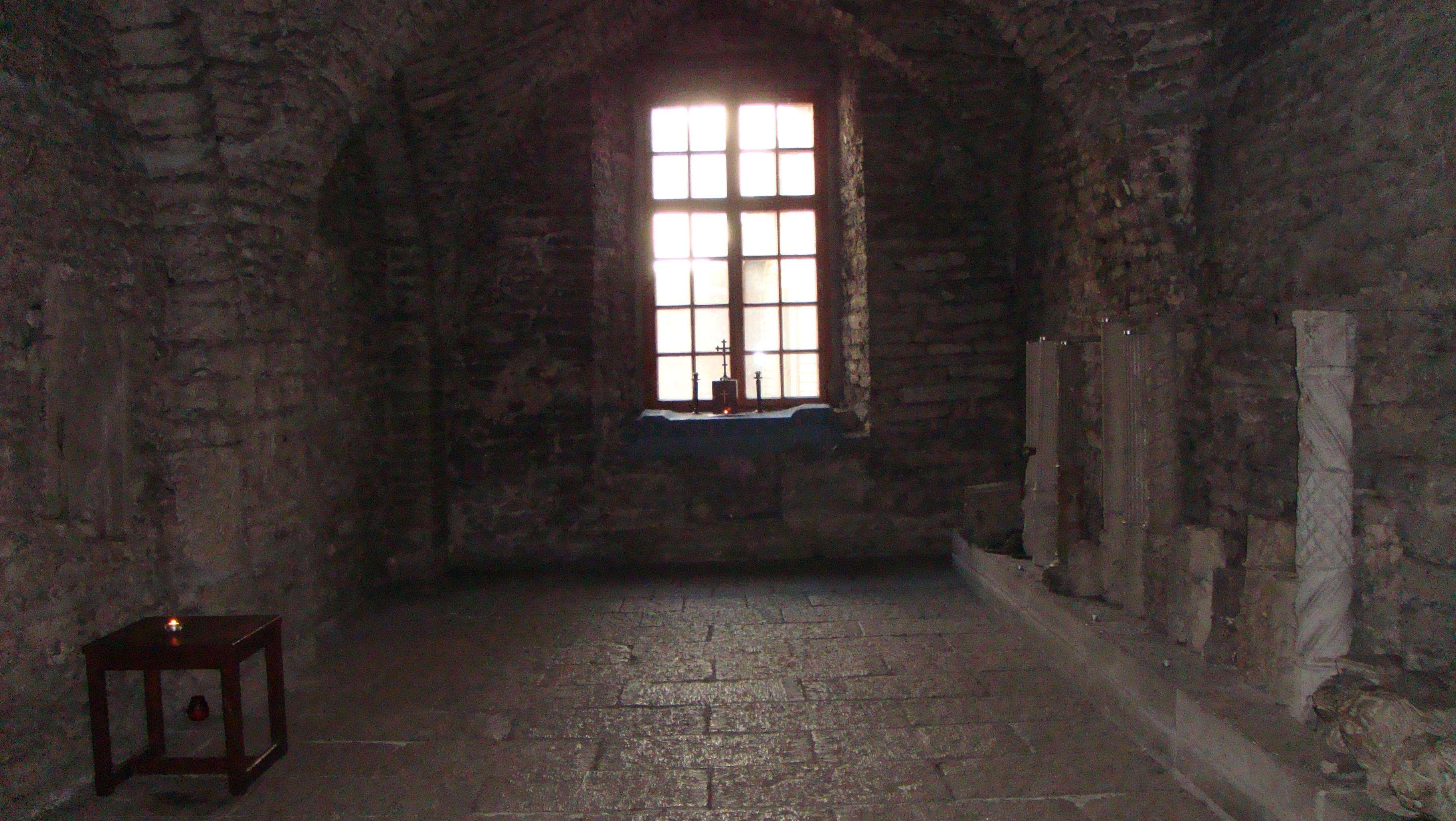
Dominican Monastery Claustrum hall
Forging my ticket for the Dominican Monastery Museum
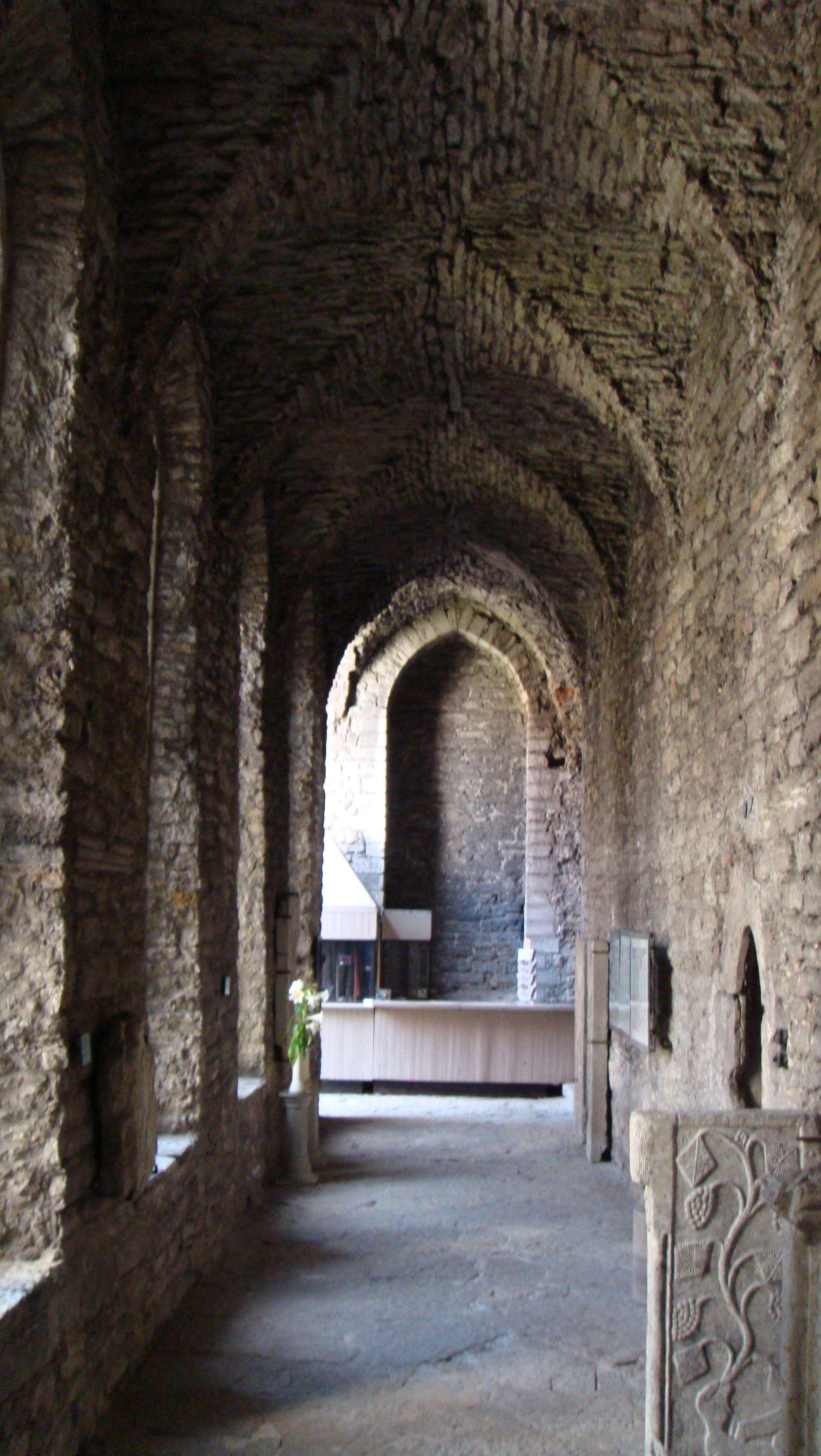
Dominican Monastery Museum ambulatory
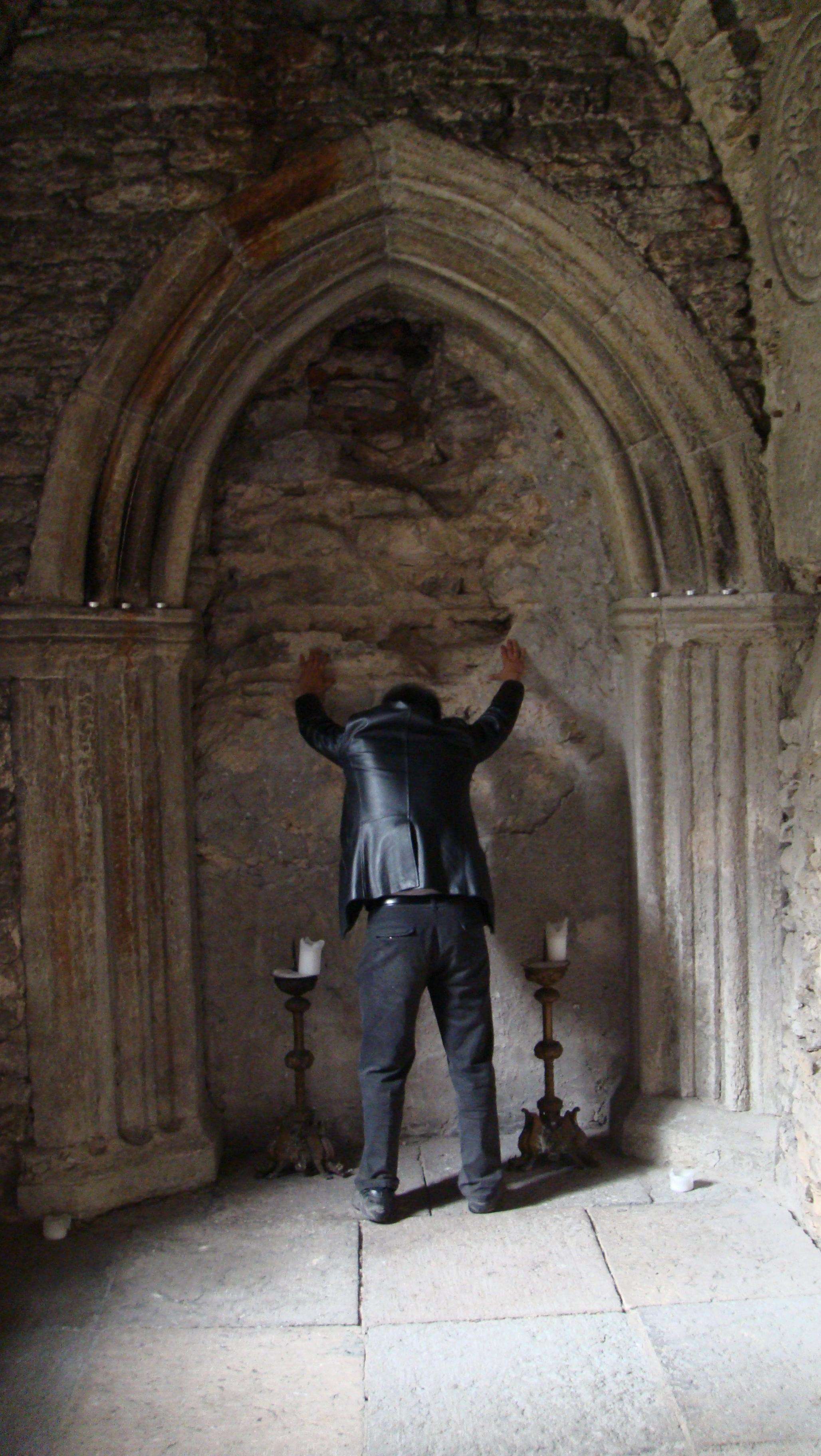
nw.t and Portal of Power
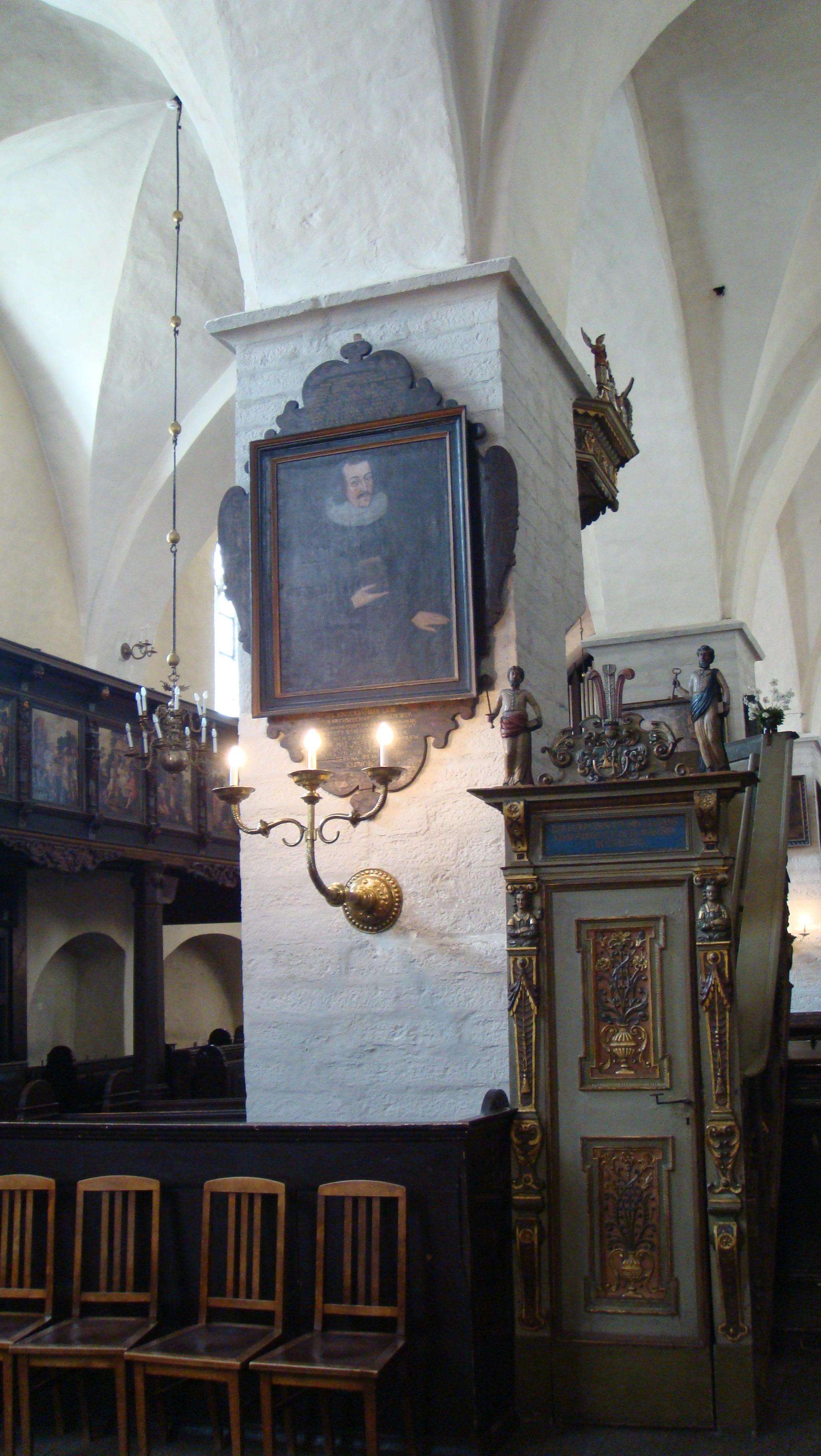
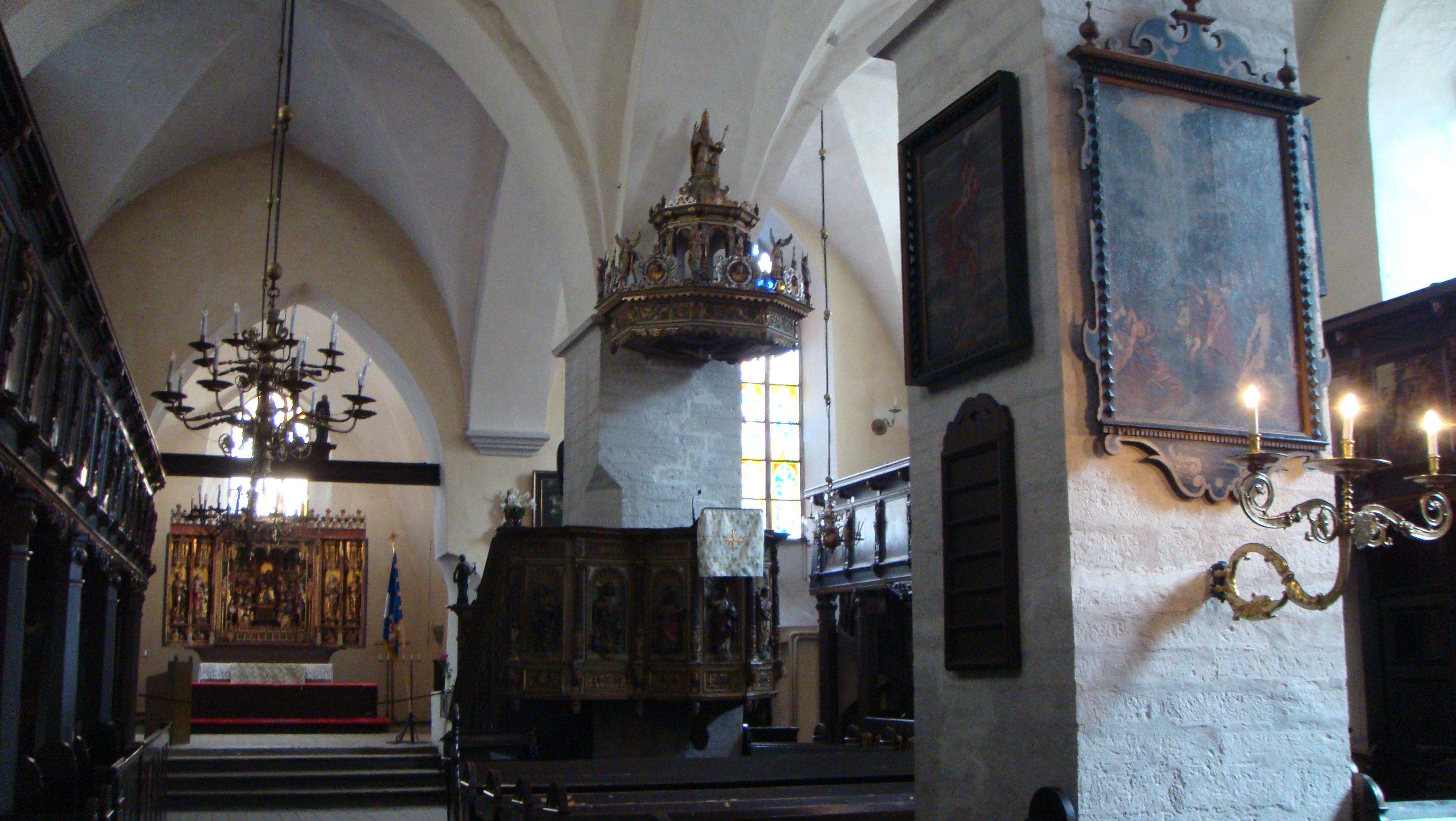
Church of the Holy Ghost
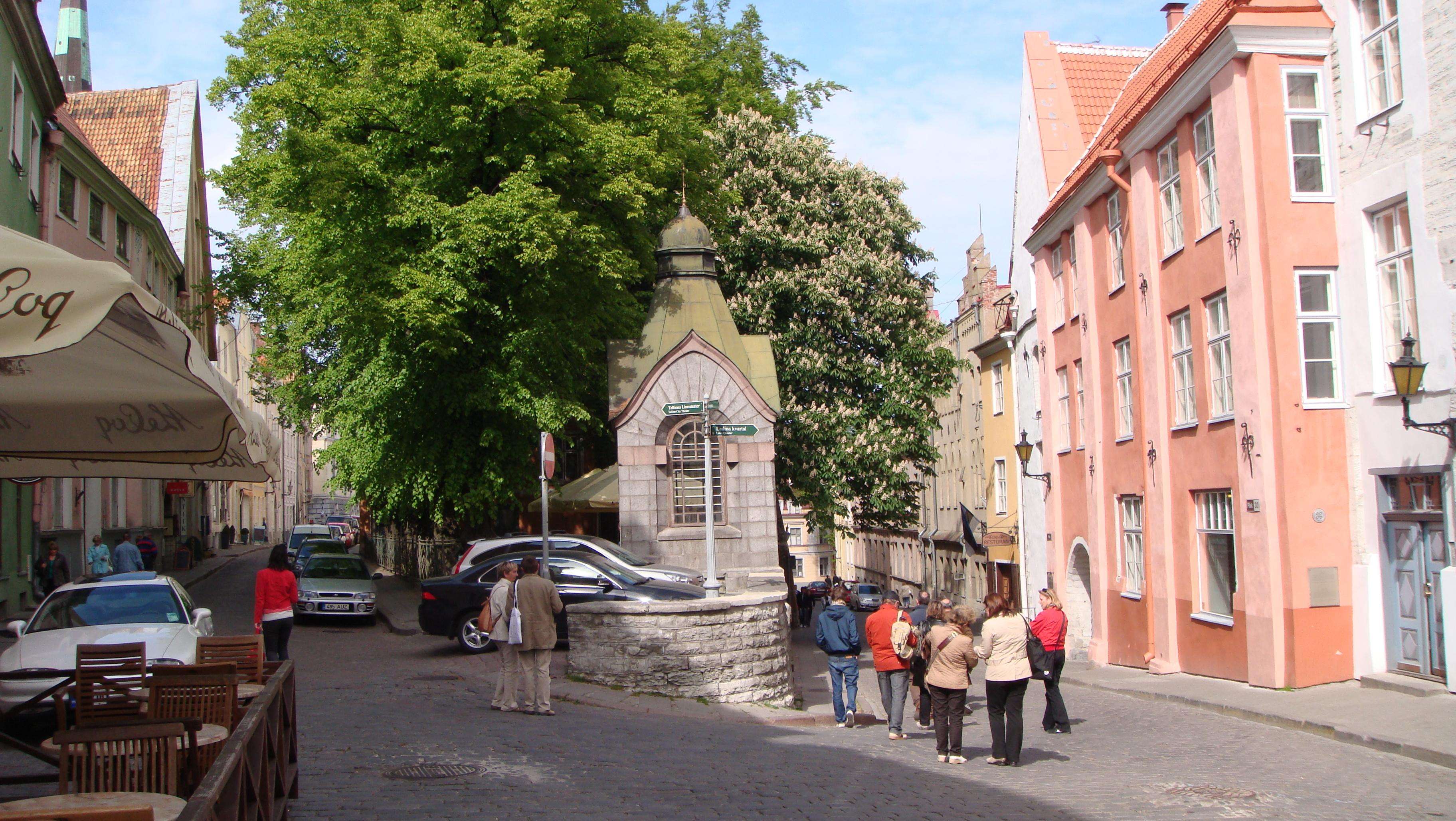
Street
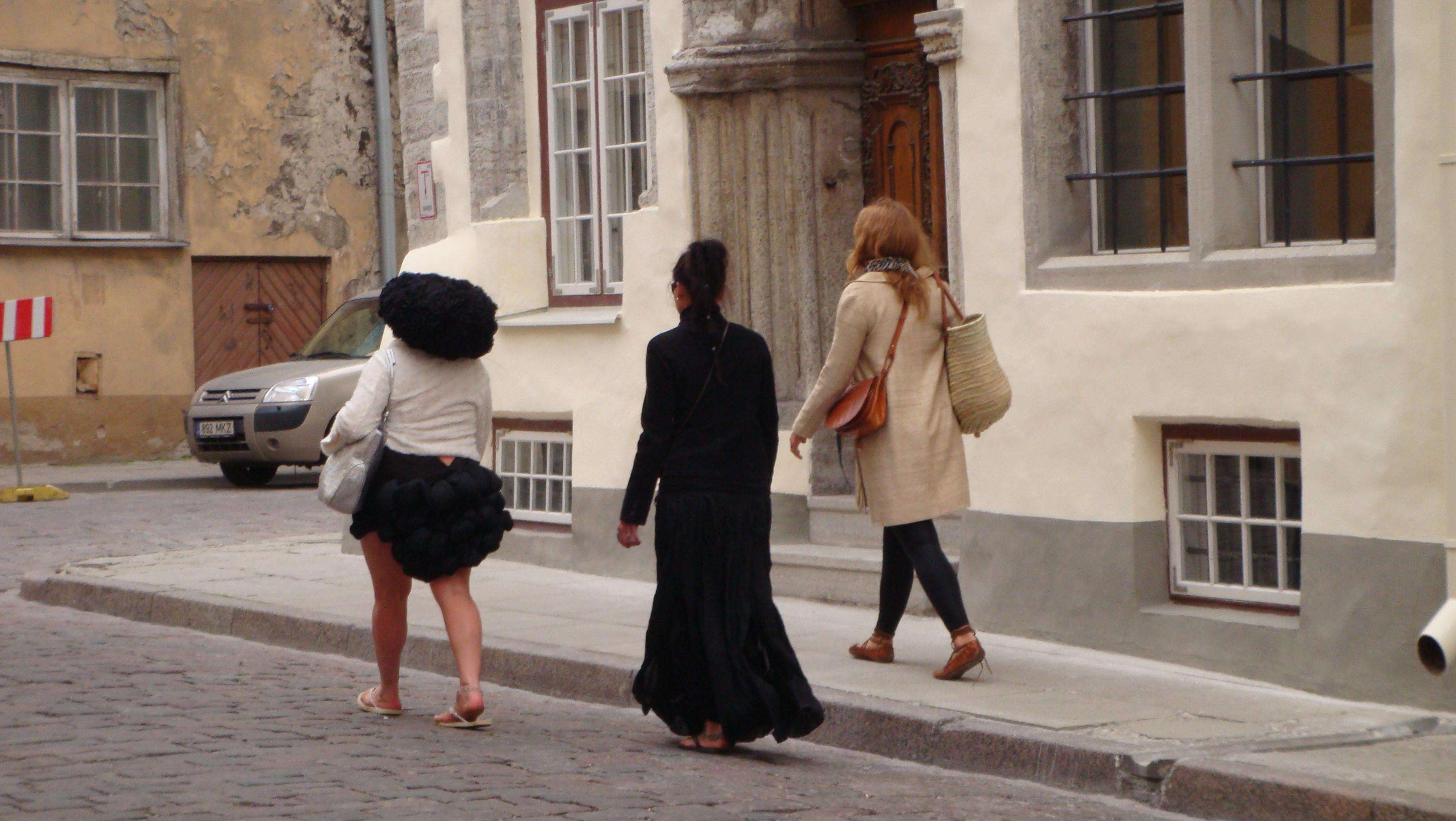
An Odd Trio
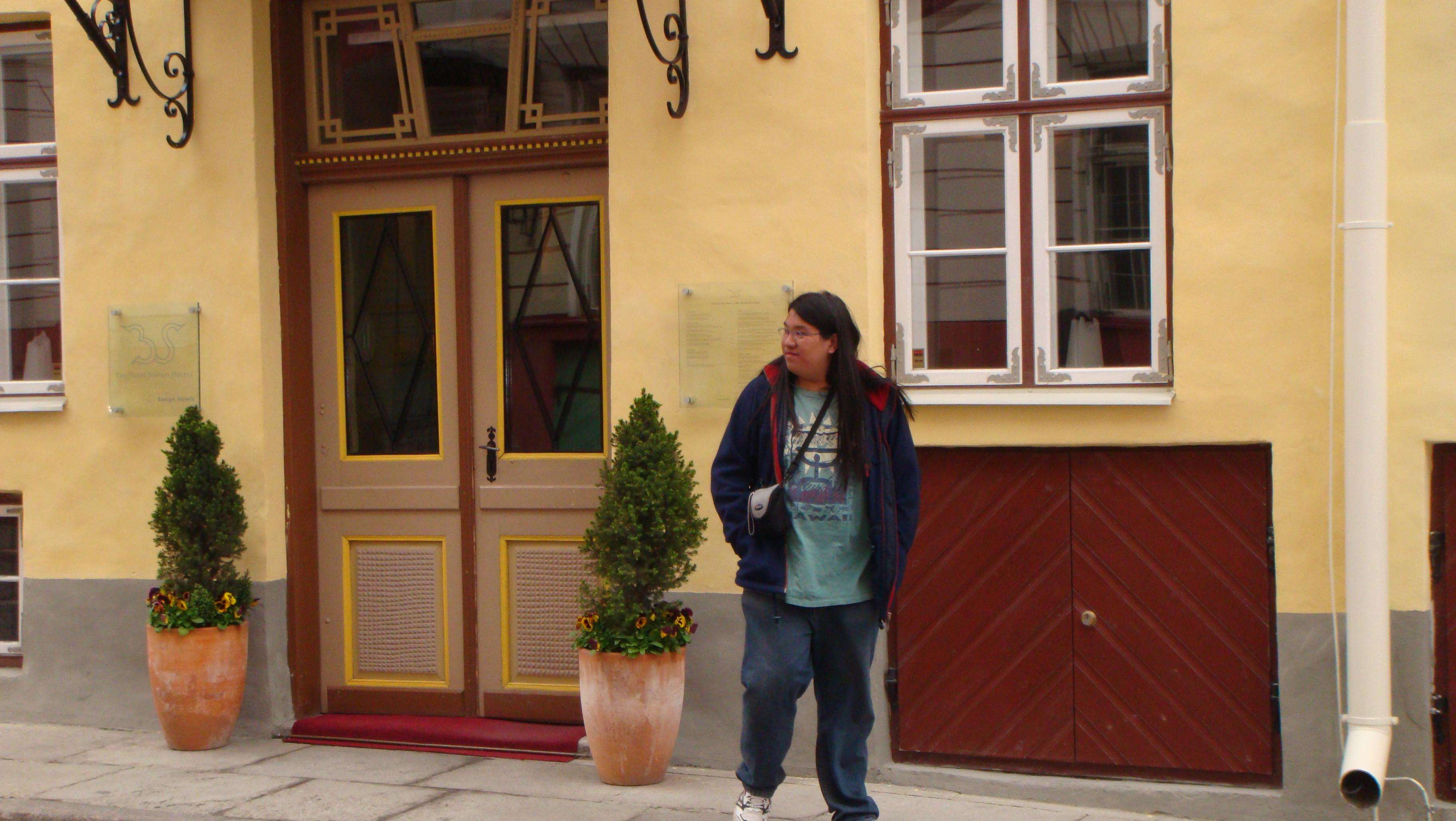
Me after using the amenities at the Three Sisters hotel
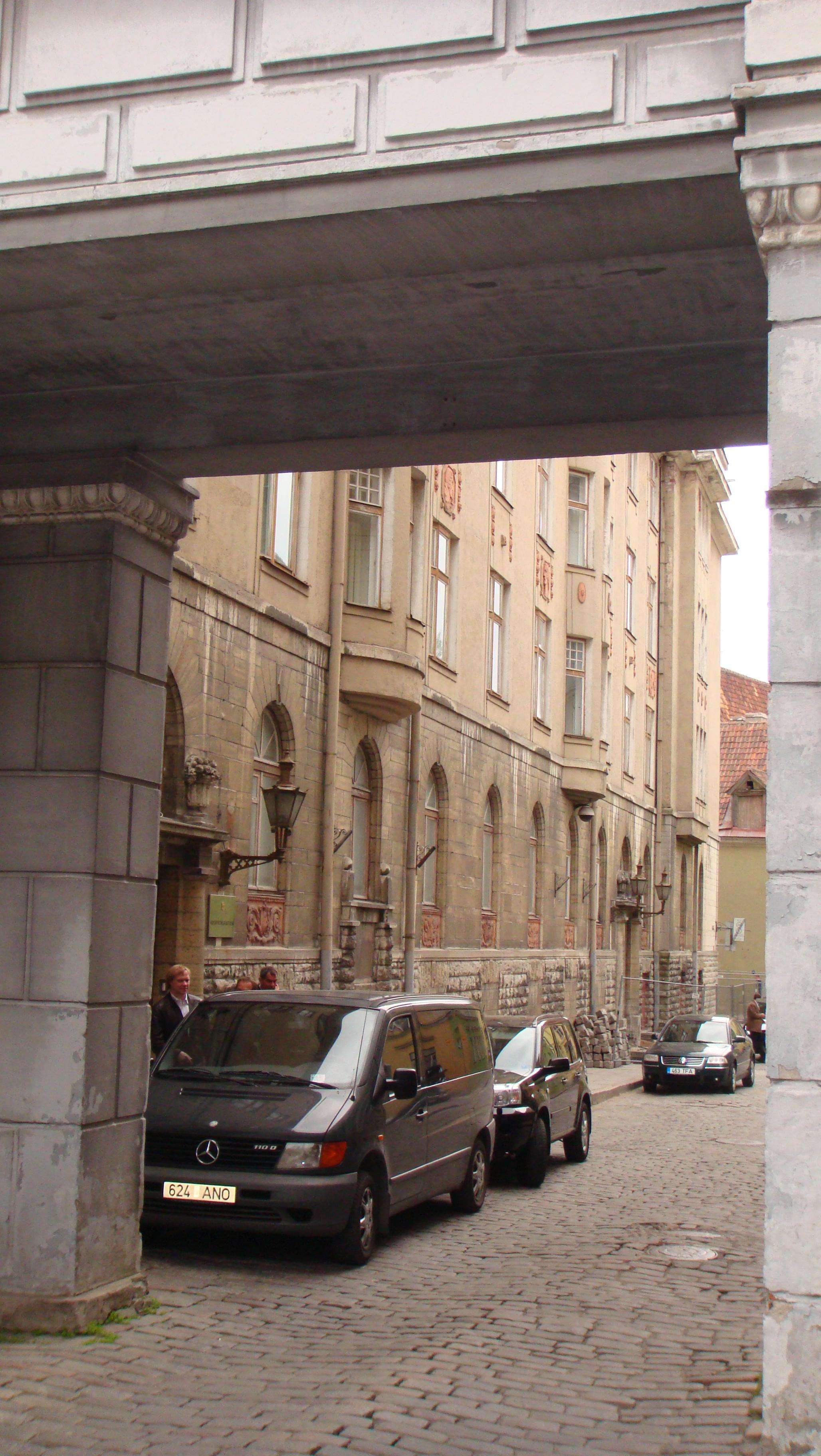
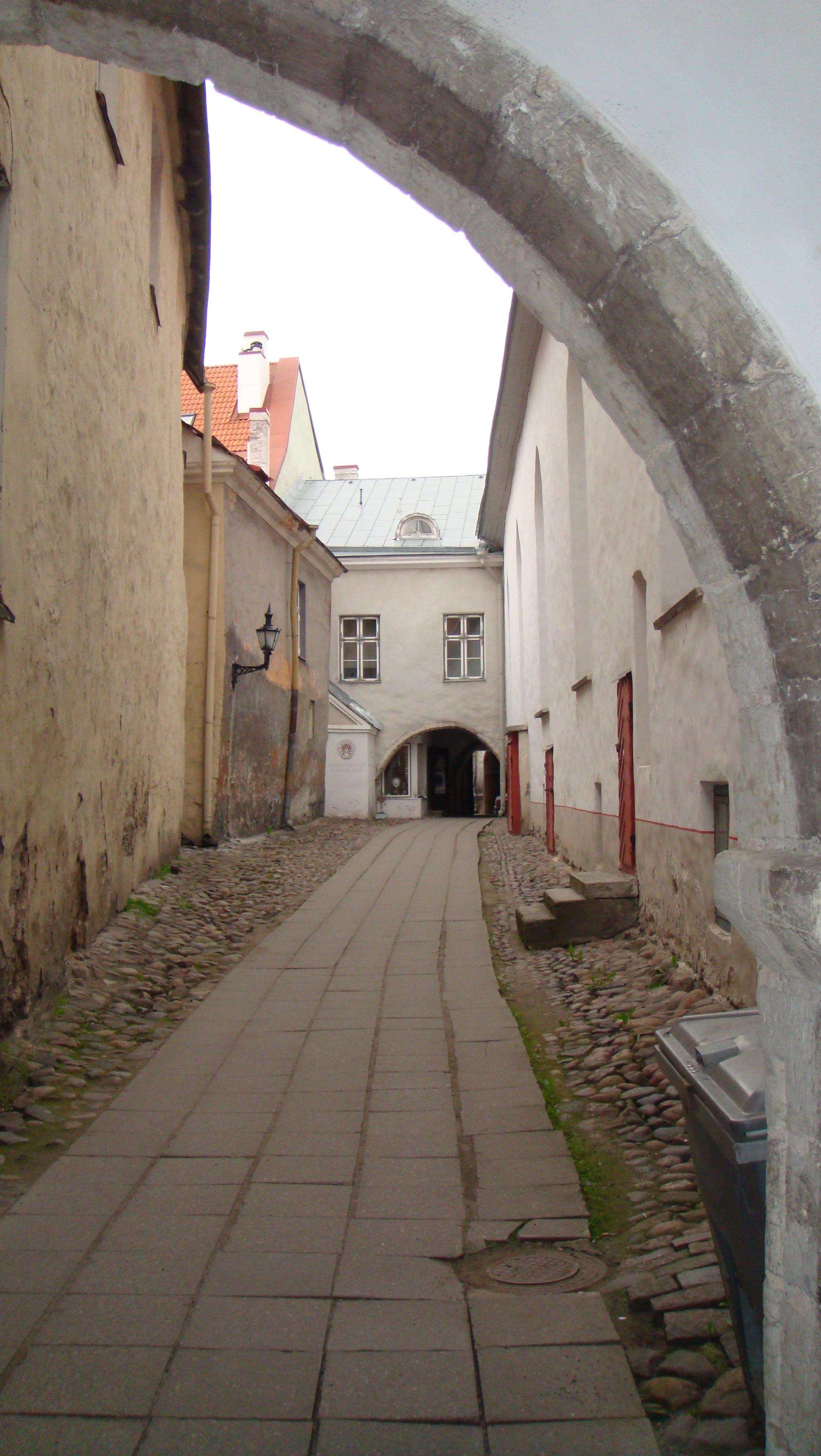
Architecture
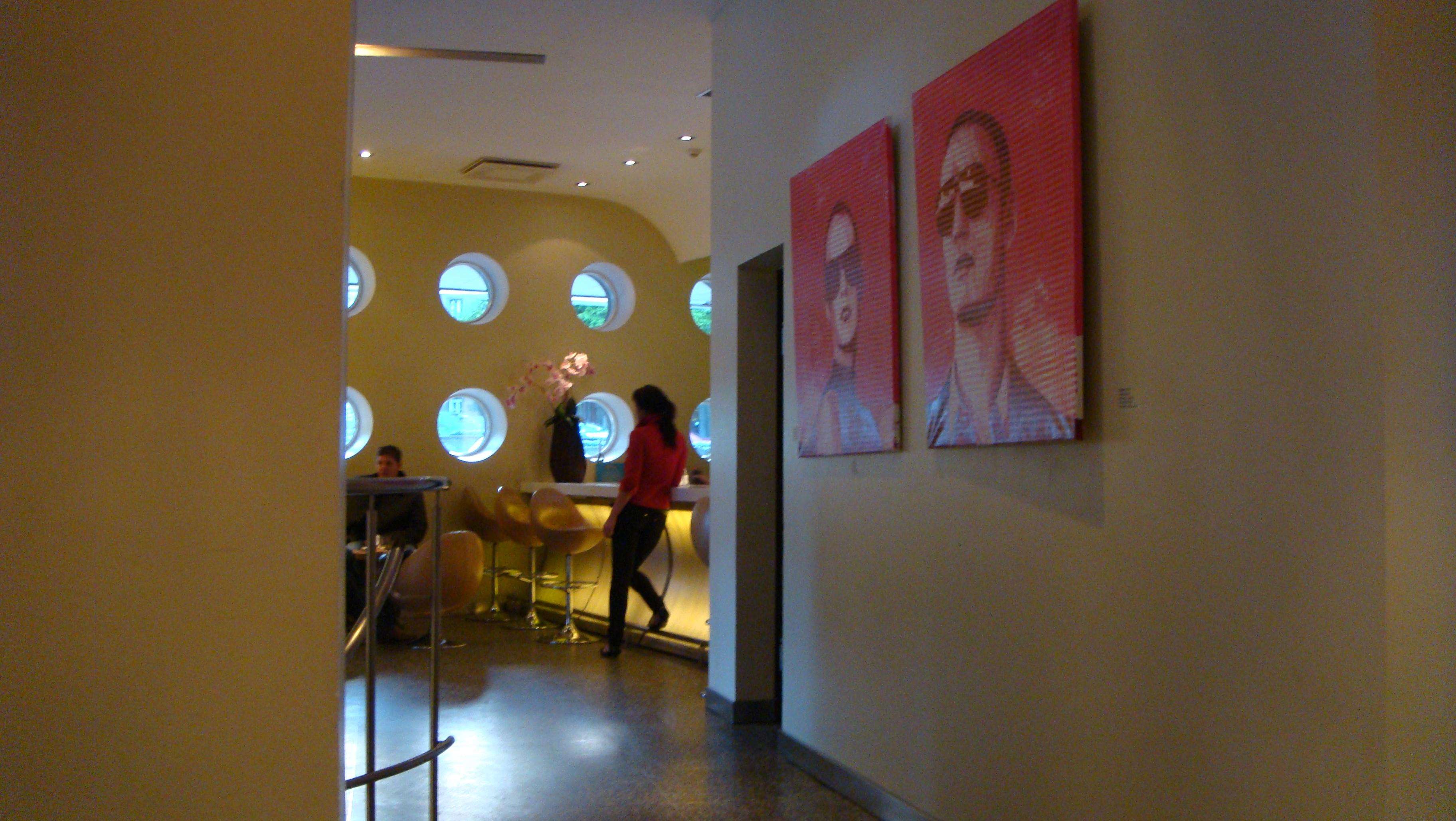
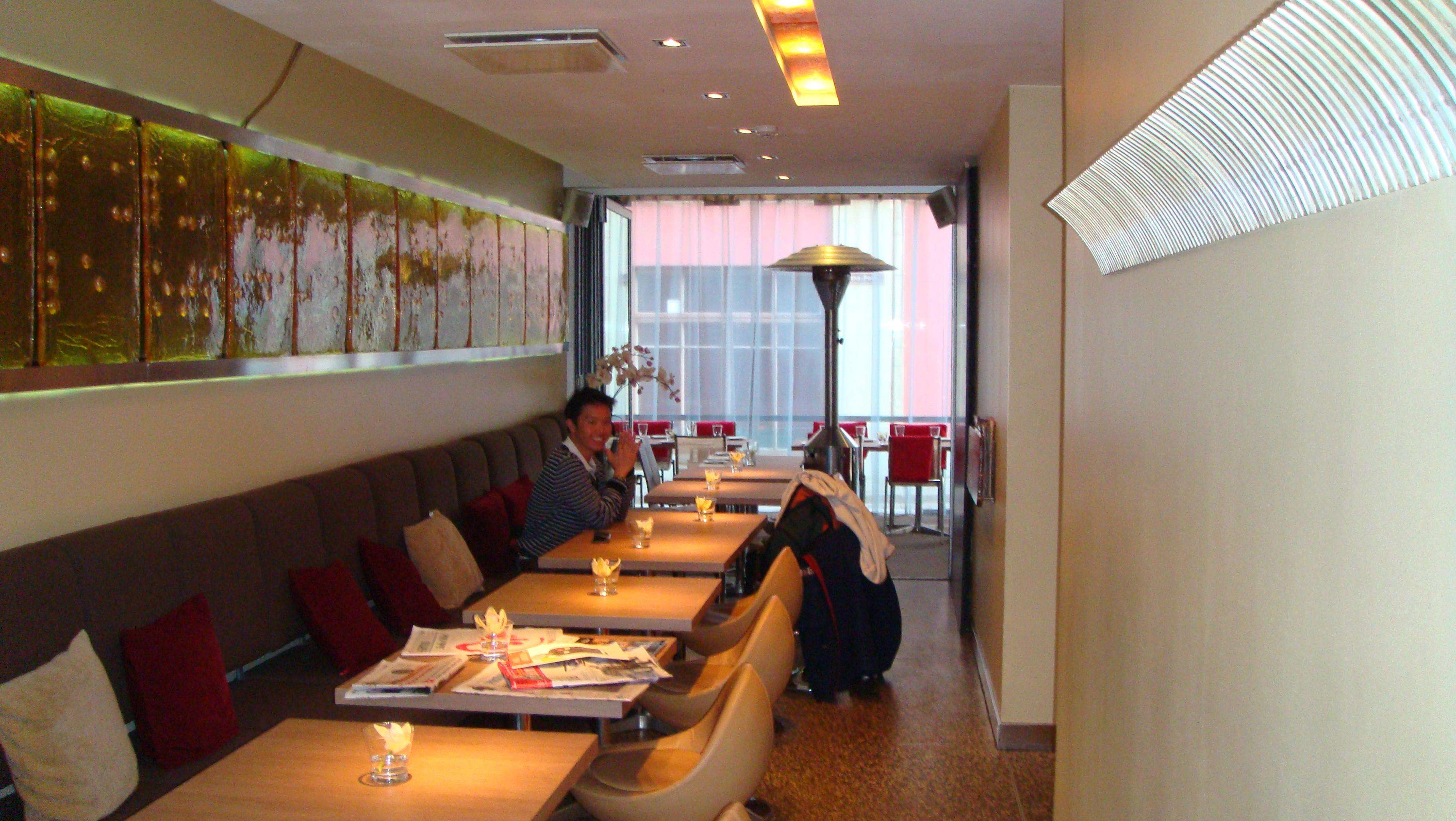
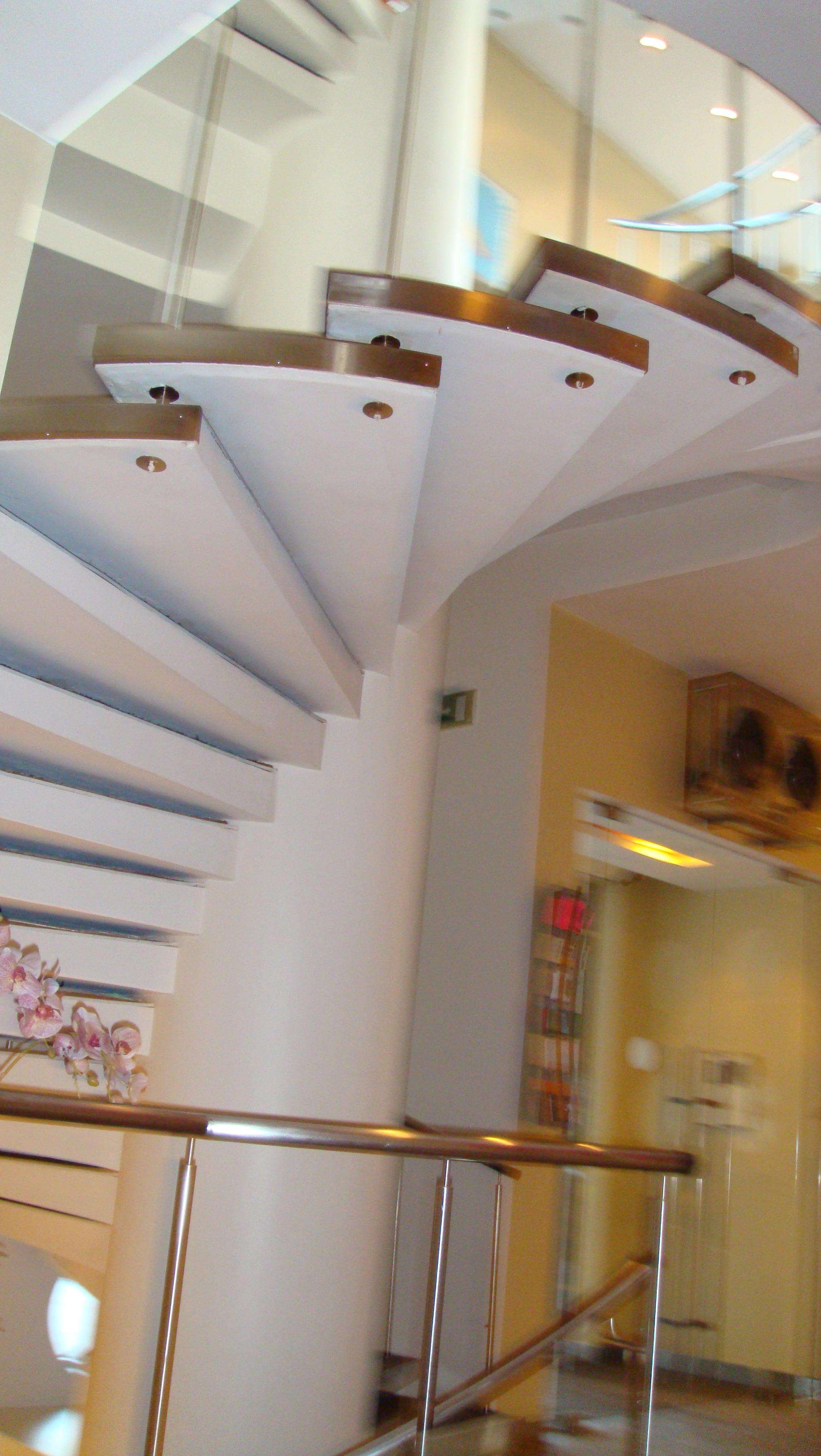
Pegasus
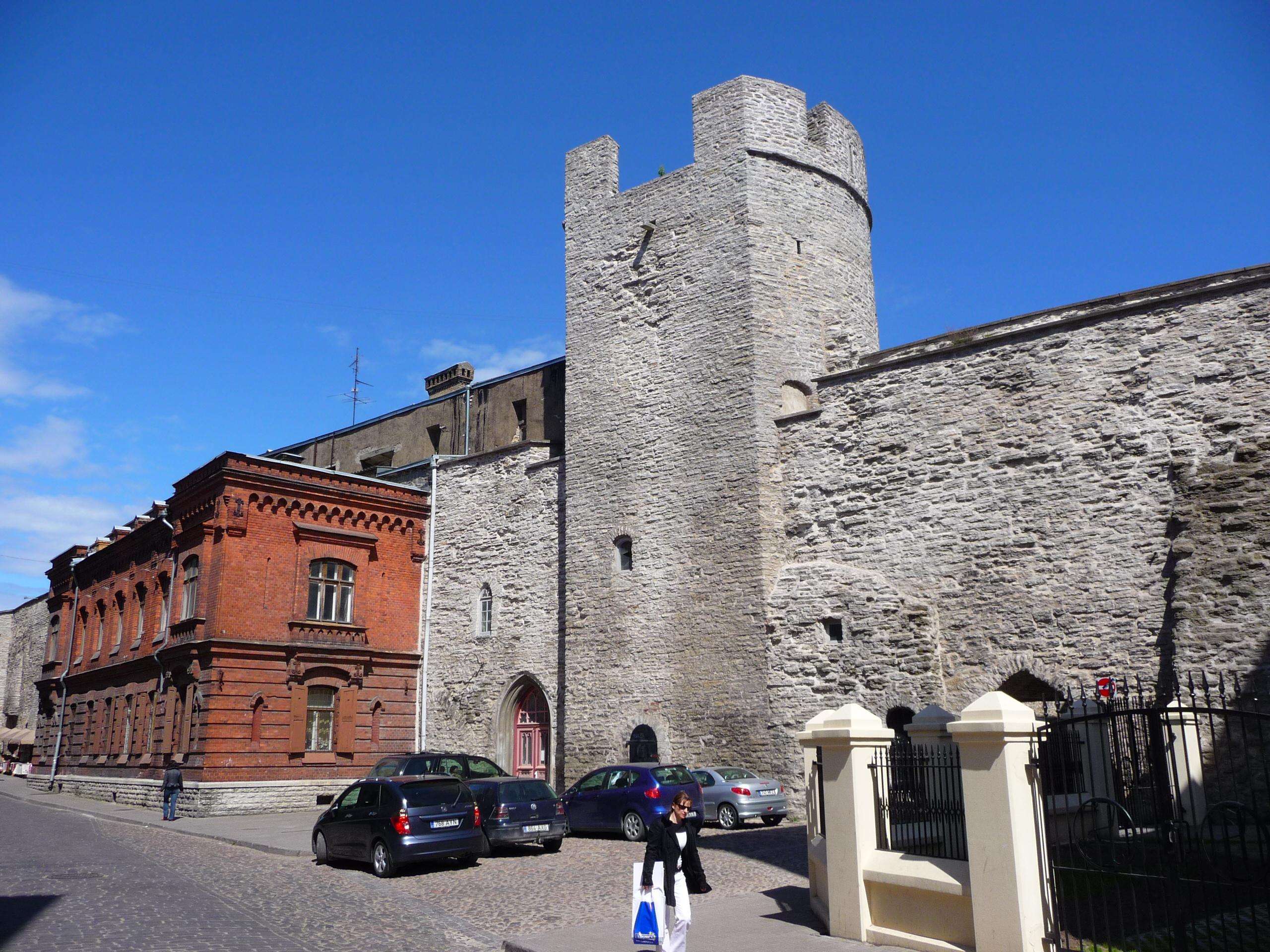
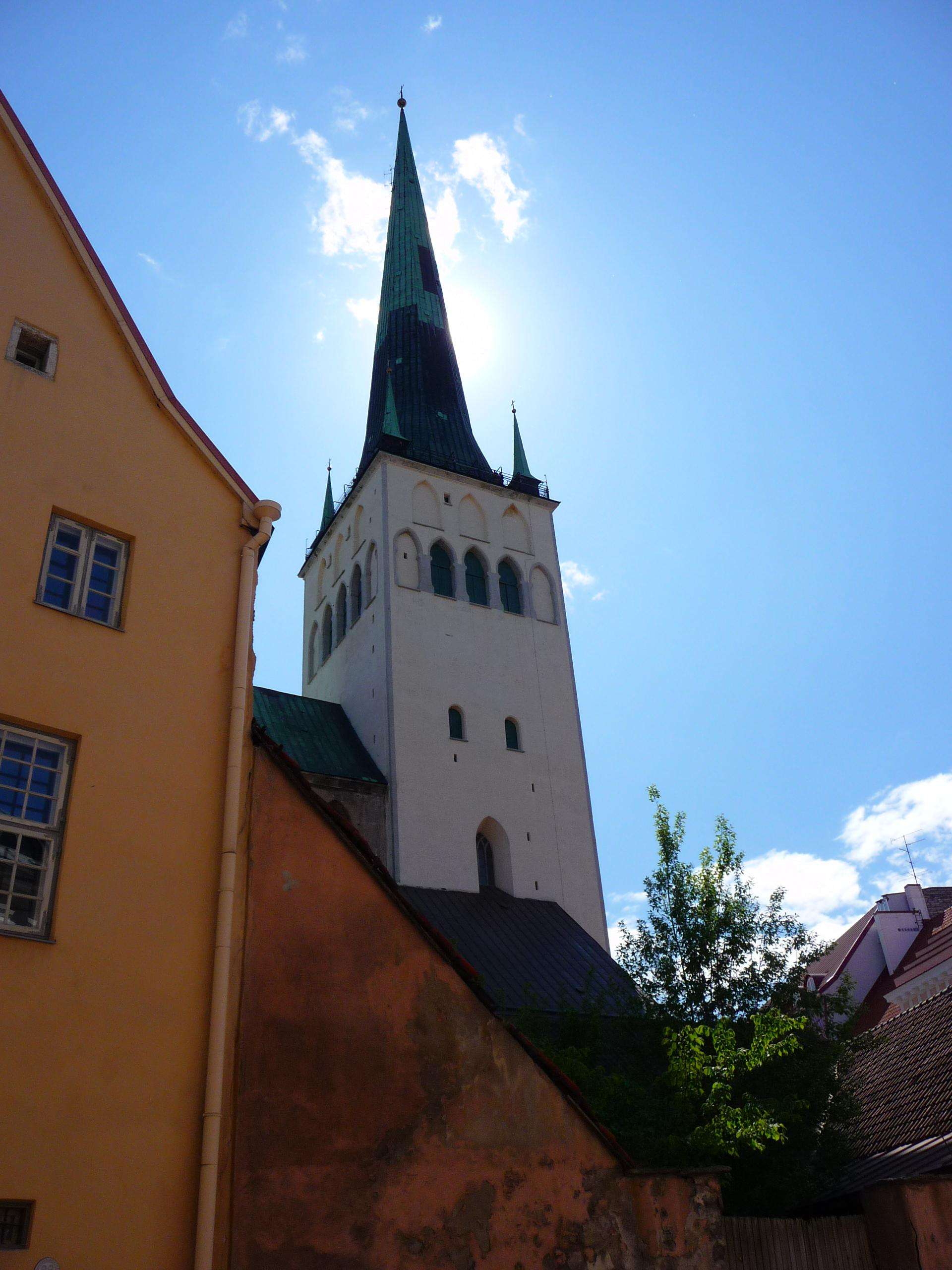
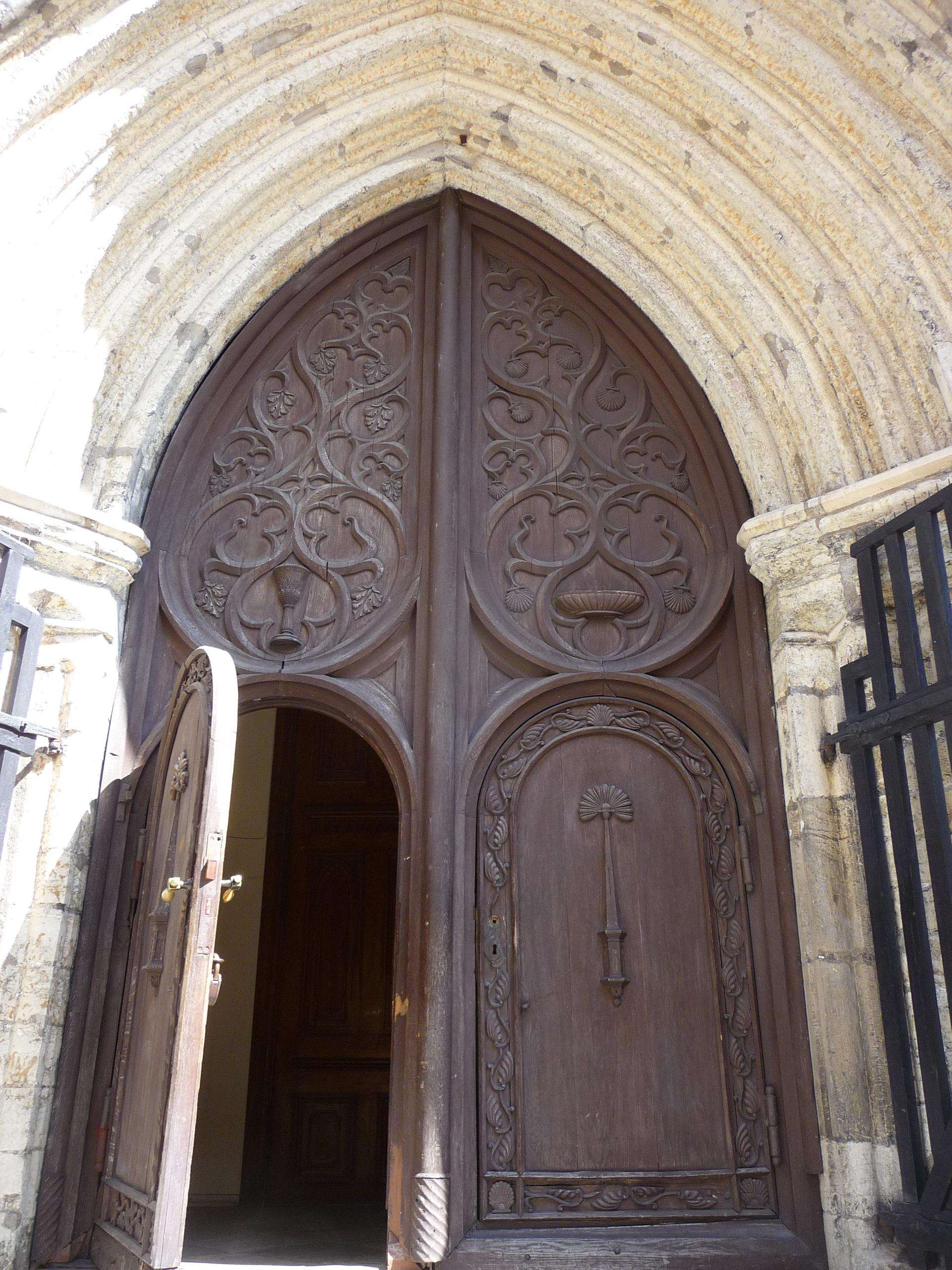
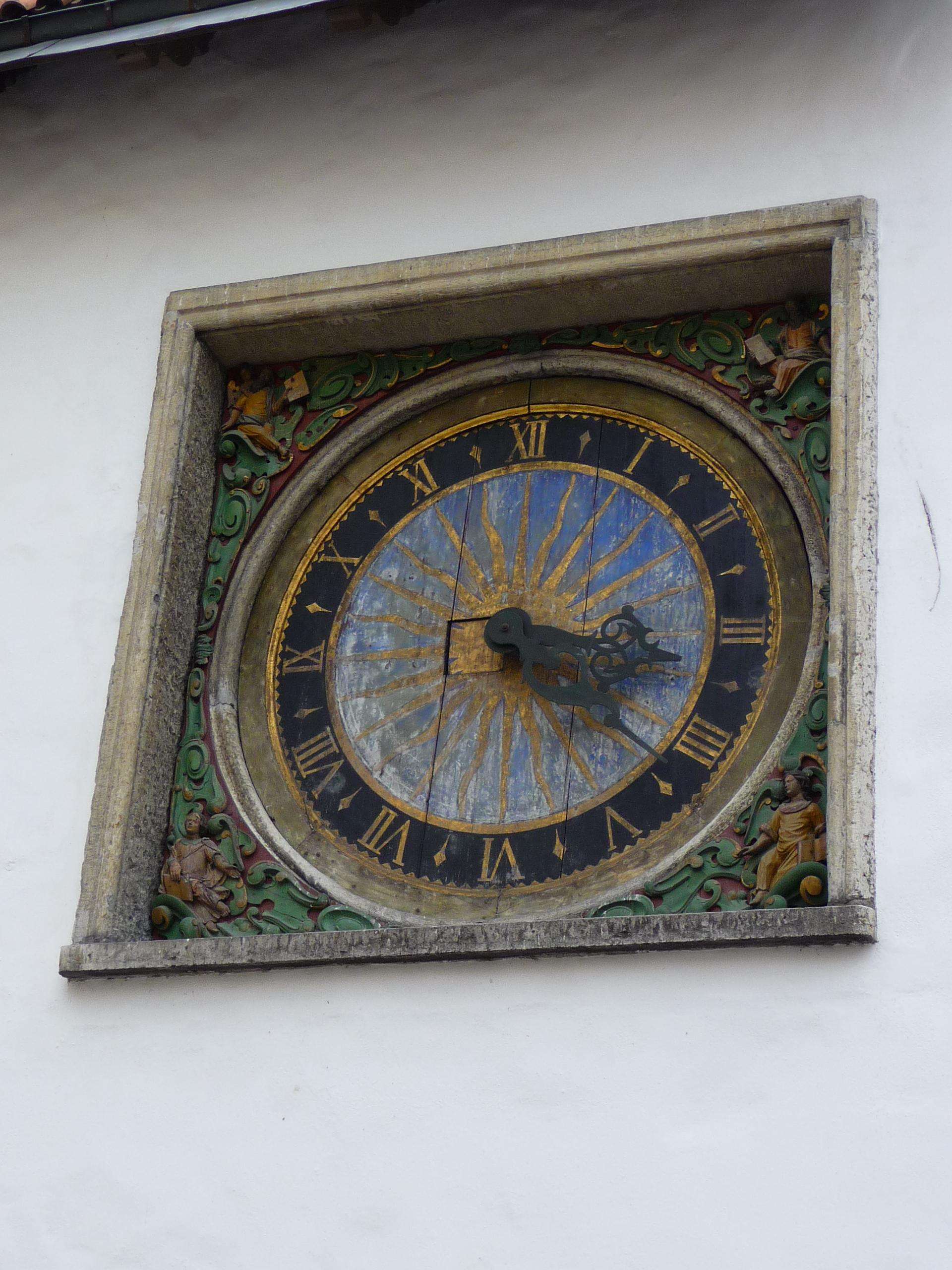
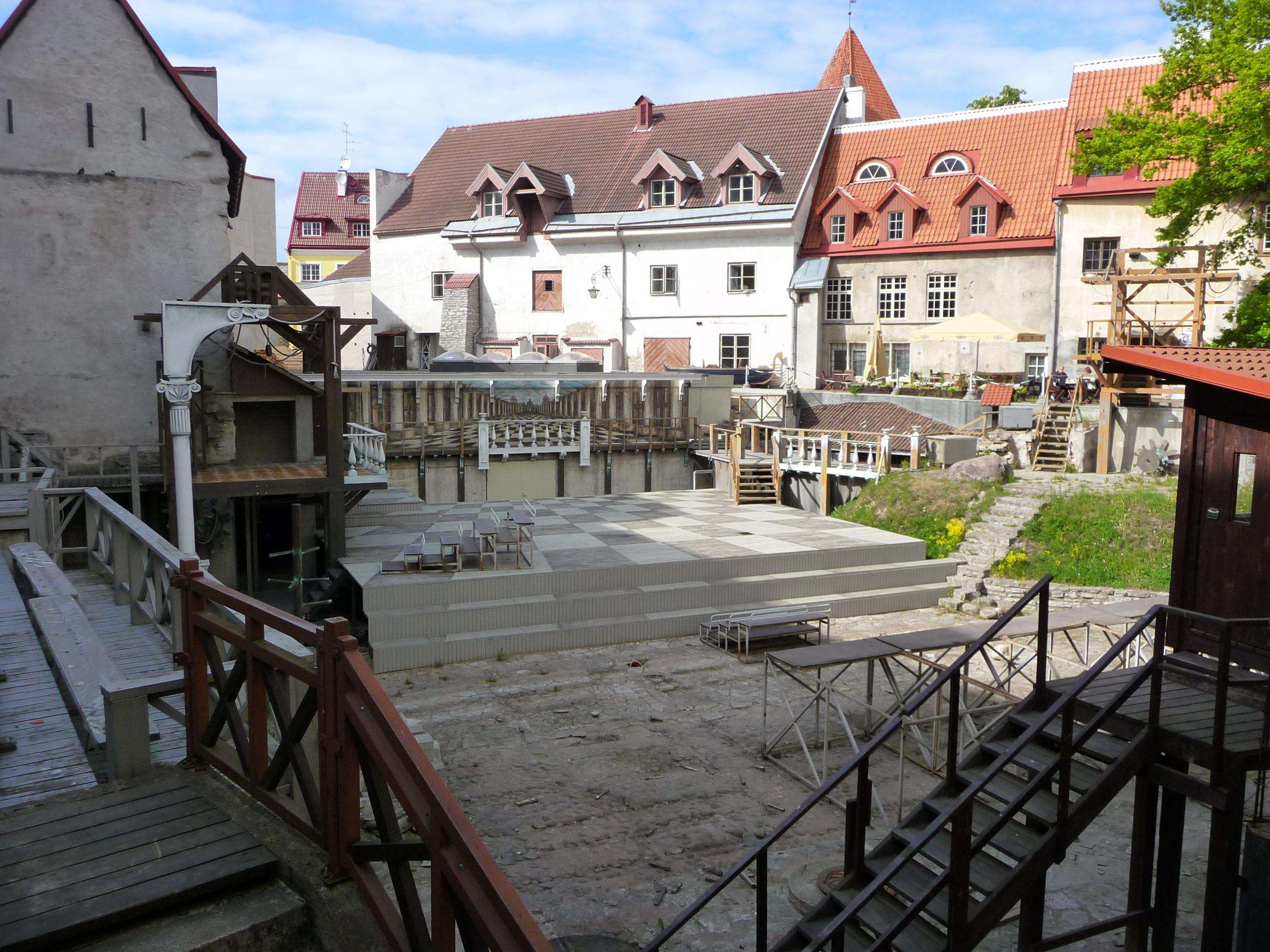
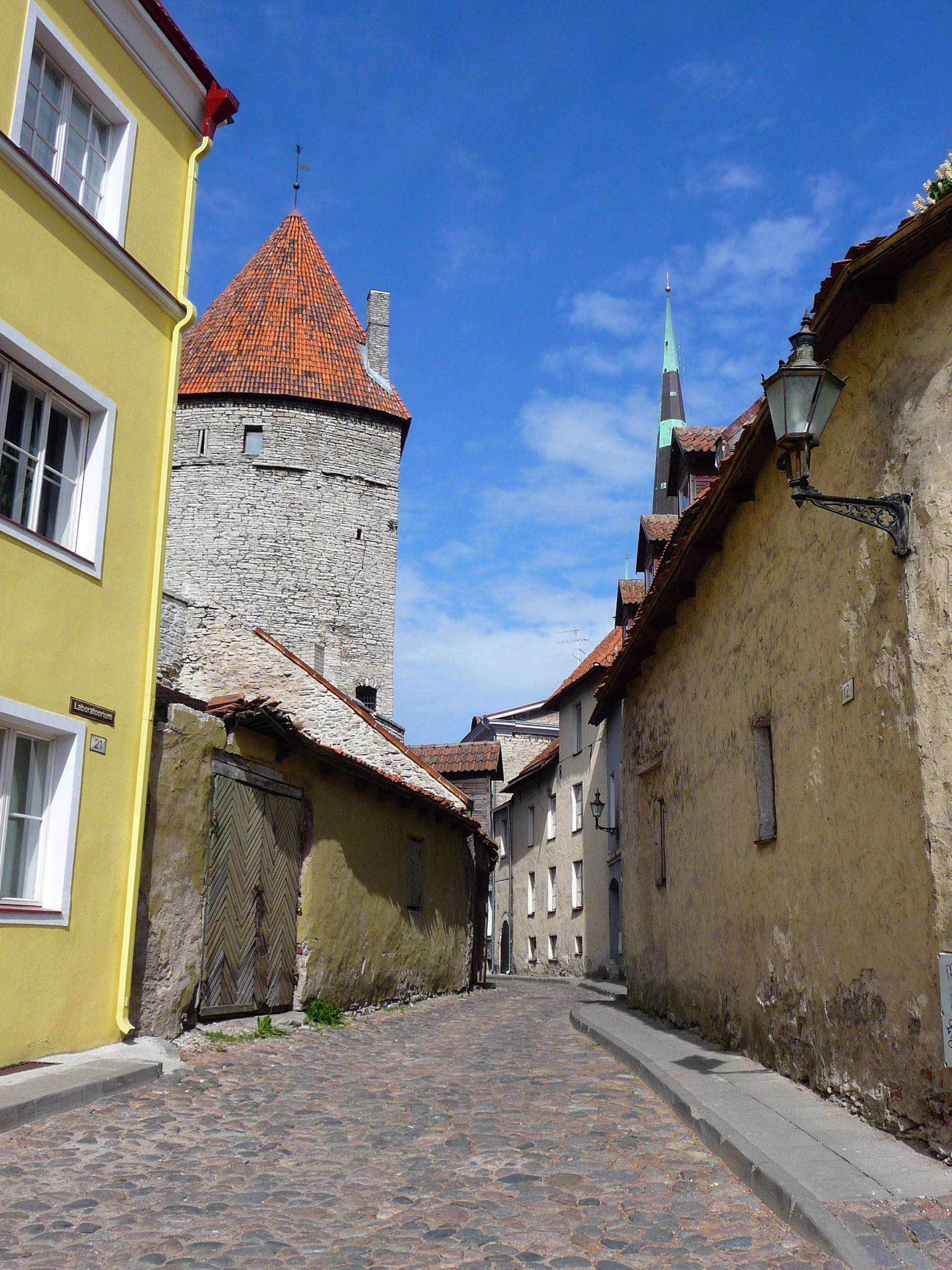
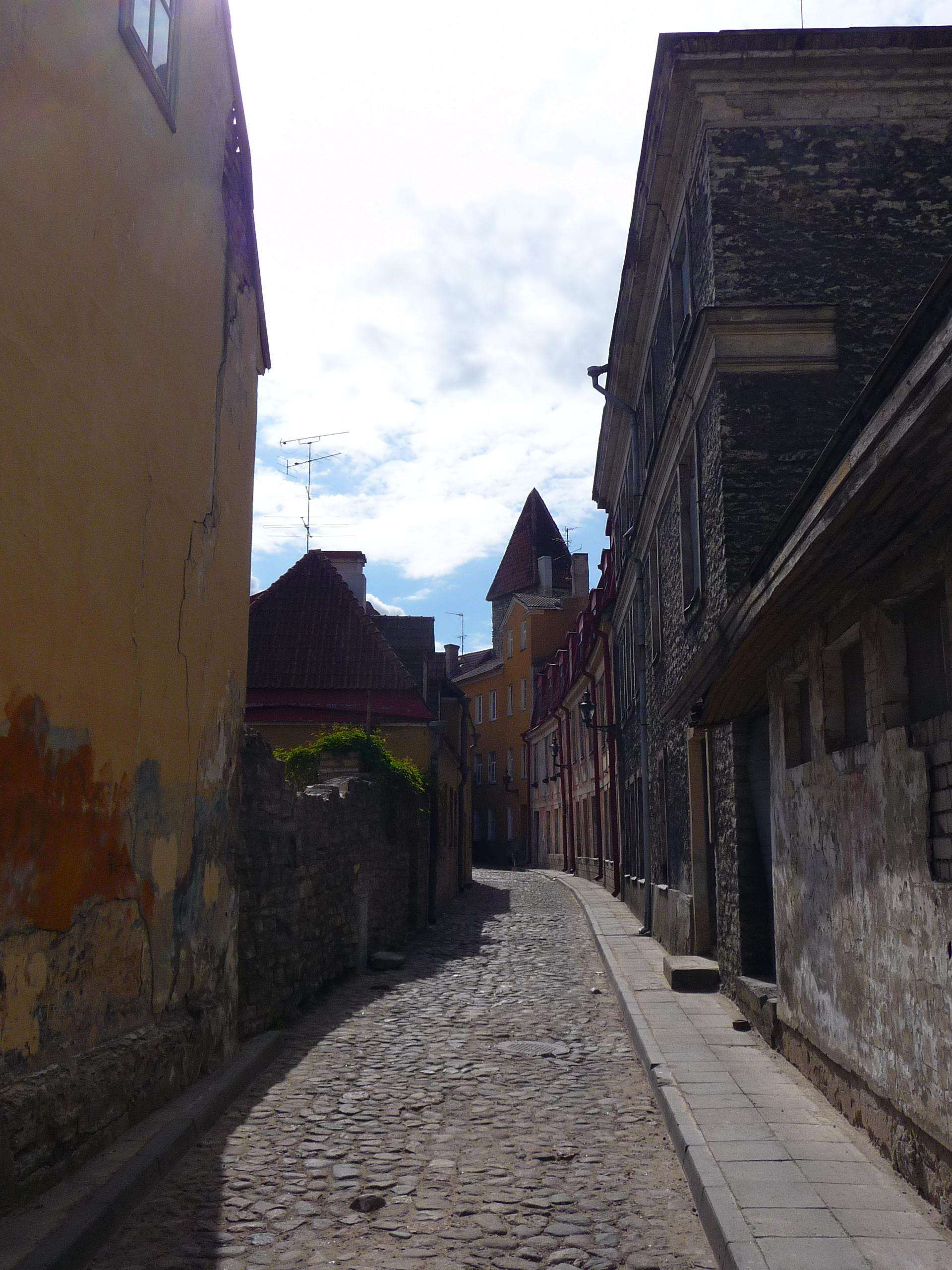
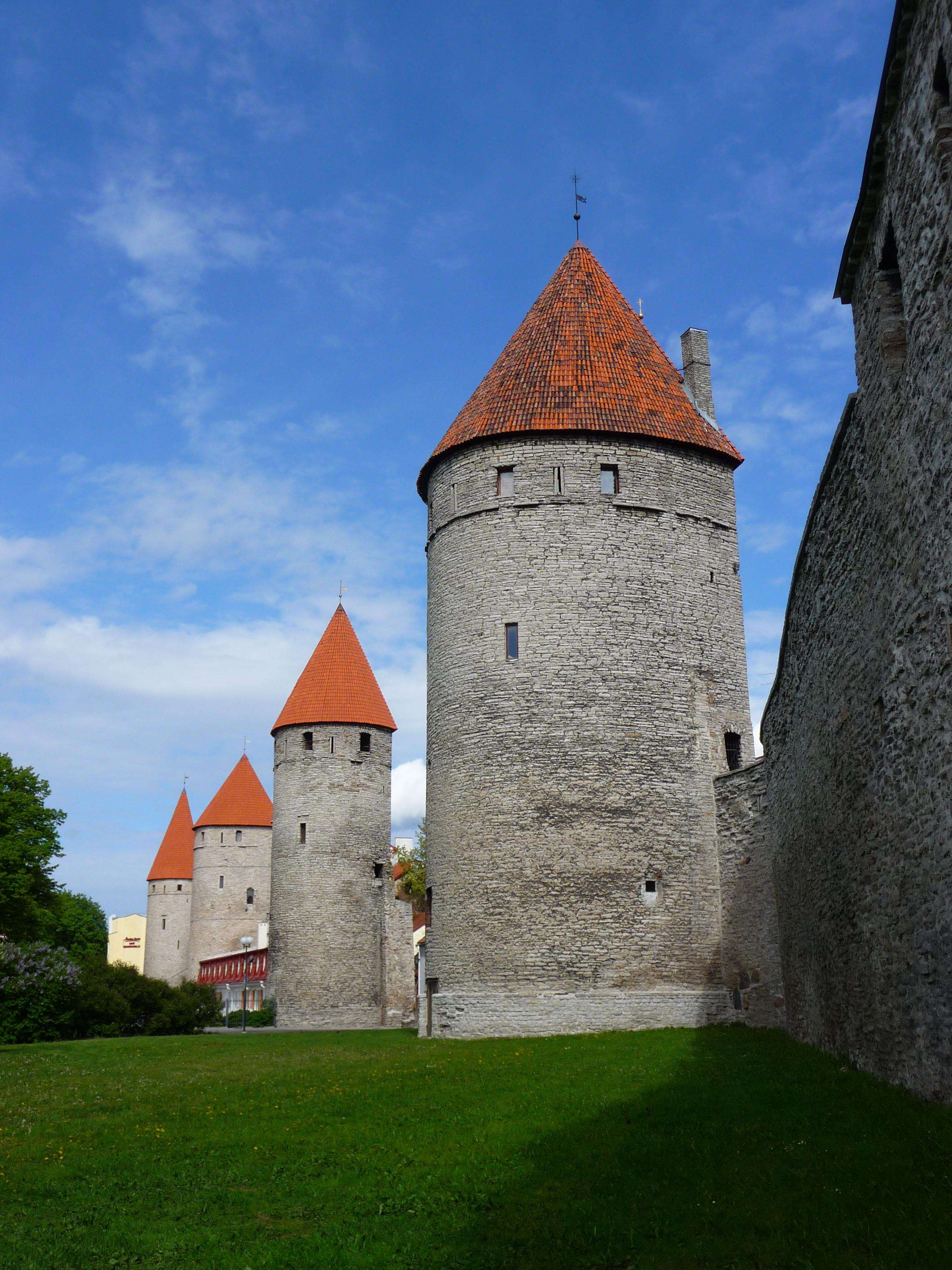
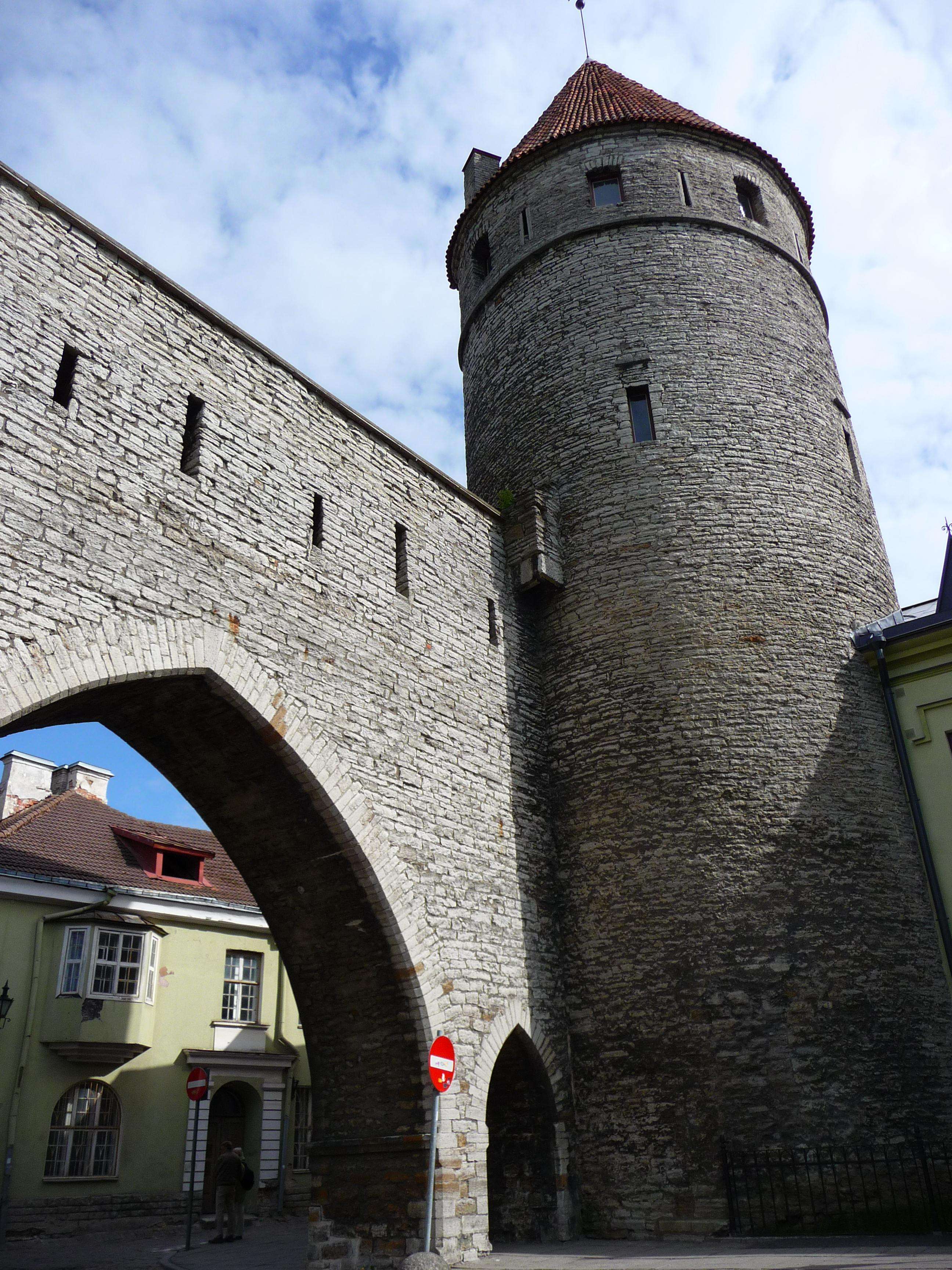
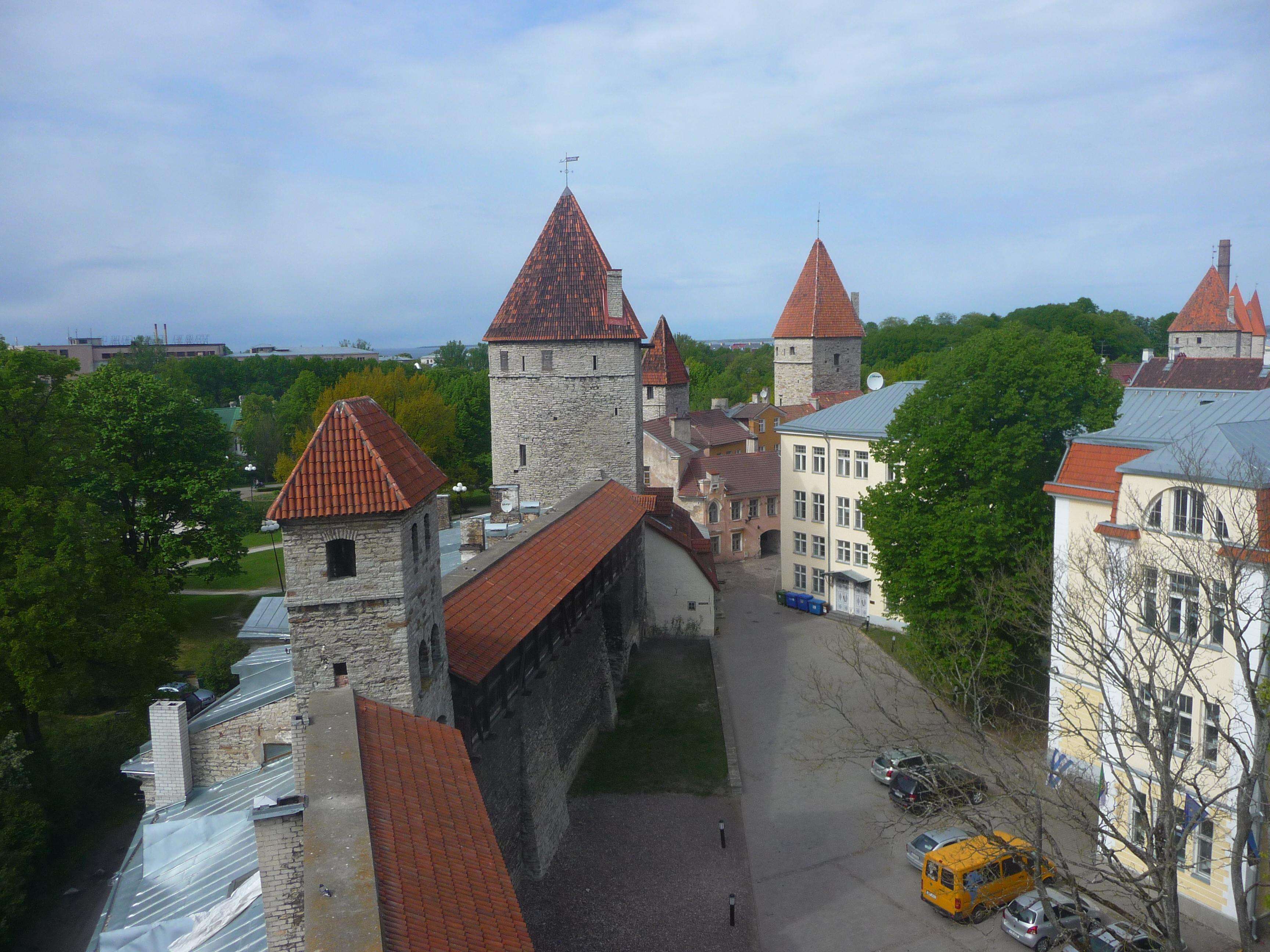
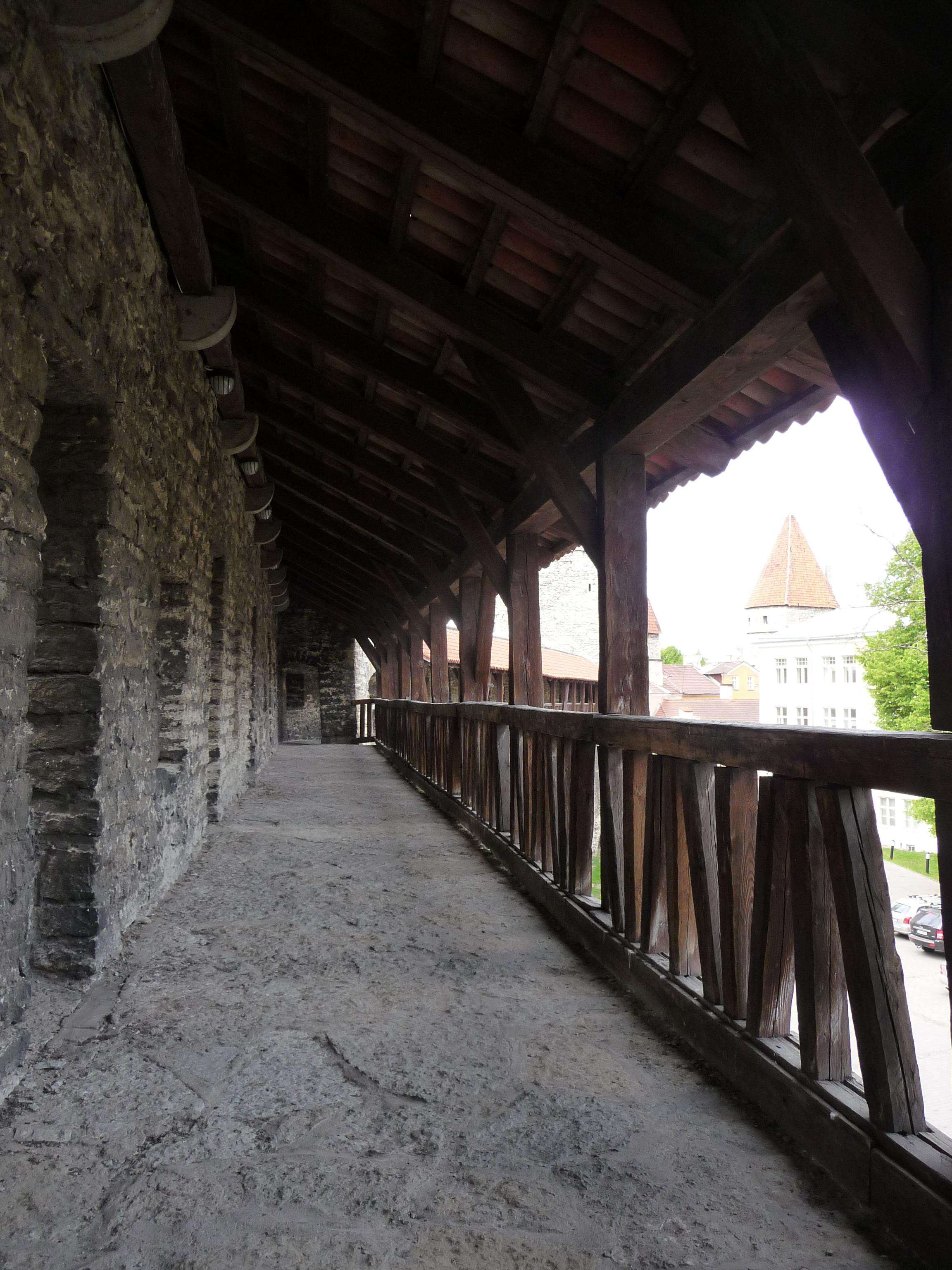
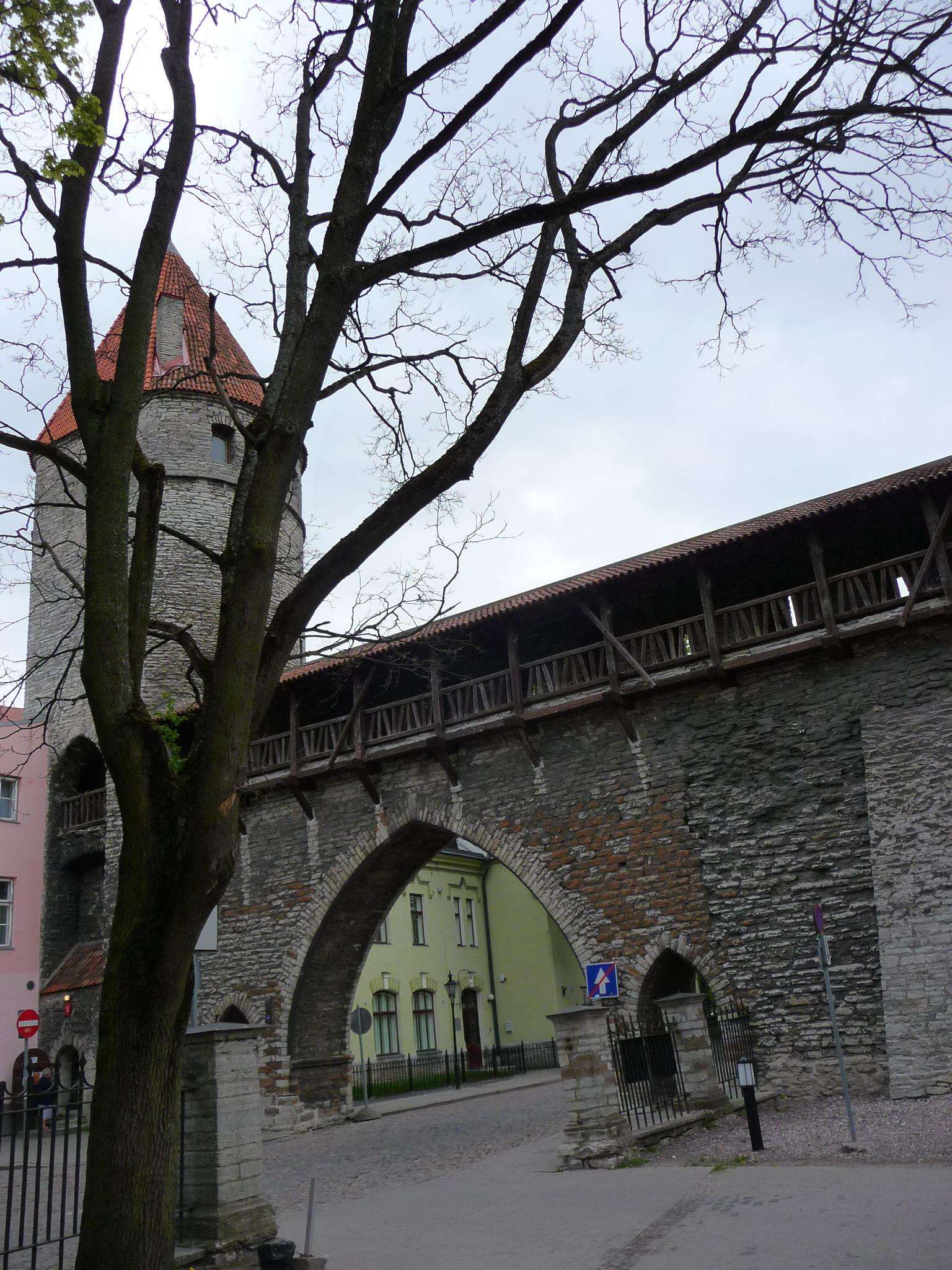
Stuff YC saw on his own, including towers on the town wall at another part of town and a theatre


Post ID: 7879438063462360181
Monday, December 01, 2008
"Charm is a way of getting the answer yes without asking a clear question." - Albert Camus
***
10 top ugly buildings and monuments - "Travel can open your eyes to some of the world's most beautiful sights and buildings -- and to some of the ugliest... "Some of these picks have all the charm of a bag of nails while others are just jaw-dropping in their complexity. Love them or hate them, the list is certainly entertaining," said General manager Giampiero Ambrosi."
YouTube - Animaniacs - Noel - GAH
Students drop Shinerama fundraiser for illness targeting Caucasians - "Students at an Ottawa university are pulling out of a Canada-wide fundraiser that provides close to $1 million a year for cystic fibrosis research and treatment, arguing that the disease "has been recently revealed to only affect white people, and primarily men" — something experts say is untrue... Nick Bergamini was the only student councillor to vote against the motion. "I think that it's political correctness gone horribly, horribly wrong," he said. "They're playing not just politics with this, but they're playing racial politics, and I think it's entirely inappropriate."... "Who knows what will be affected next? Will it be that sickle cell anemia we shouldn't fight against when it affects mainly African people?""
White men are evil.
John Robson • Life lessons for students - "Would it be OK to object to raising money for diseases that mostly affect women or non-whites? The lesson: It's still bigotry if you hate men, white people or both... Calling something tolerant and inclusive is no guarantee of its being so... And then there's breast cancer. This disease seems to have no difficulty arranging high-profile fund-raising campaigns -- on campuses and involving men -- and I'm not being snide when I point out that the gender impact of breast cancer is far from neutral. (It does occur in men, but as you guessed it is very rare.) Where is the massive prostate cancer effort with its own coloured ribbons and high sociological status?... It is also remarkable that those who passed the original CUSA motion did not realise it would be controversial, let alone that it ought to be. The lesson: Student politics is frequently dominated by childish, hothouse radicalism. It's not confined to campus. The authors of a $2-million report on youth violence for the Ontario government... just concluded that "Racism is worse than it was a generation ago"... After all that has been accomplished, often at great personal risk, against bigotry in the last 40 years such a conclusion is not merely absurd but irresponsible. The lesson: Not all student politicians grow up."
Why Women Feel More Attached after Sex than Men - "There is a little-talked-about hormone, oxytocin—nicknamed the “cuddle hormone”—which is released during sex and could be effecting our relationships and sex lives and relationships in ways we’ve never thought of"... "Estrogen seems to increase the calming and bonding effects of oxytocin, while testosterone seems to mute them. That's why women tend to feel more attached after sex than men do.""
Oktoberfest revellers shun beer for condoms - "Cold and clammy weather at this year’s Oktoberfest might have put some visitors off beer, but it also apparently encouraged people to cuddle up for warmth – and buy more condoms."
Playing the Market - Weird News Story Archive - "A sudden and strange drop in the value of French 10-year bond futures has been traced to a lone English trader at Salomon Brothers in London, who accidentally issued 145 sell orders in a row when he leaned on his keyboard, investigators said. “The disputed trades arose as a result of the prolonged, unintentional and inadvertent operation of the 'Instant Sell' key” on his terminal, they concluded."
Malaysia’s fatwa council explains how ‘tomboys’ become lesbians - "When asked why the council went to such lengths as to rule on what women could wear, Mr Aziz identified seemingly innocuous actions such as dressing in a masculine way as something that could lead on to greater 'crimes' such as lesbianism. "Not only is the act forbidden, but any act that may lead to the actual act is also forbidden," he told the NST. "If we allow this practice (of pengkid) to continue to develop, it will become a tradition, and then a norm. "When it becomes a norm, then people will think no longer think of it as a wrong. This is something we do not want to happen. "Actually, we are trying to save these women (from becoming lesbians).""
Malaysia Boleh!
Goodbye and thank you - "YEARS of strong economic growth have failed to stem Singapore’s skilled youths from leaving for a better life abroad, with the number topping 1,000 a year... Such high-end emigration is usually associated with less better-off countries where living conditions are poor. Here the opposite is the case... The emigration rate, one of the highest in the world on a per capita basis, is a blow to the government... Lee’s grandson, the elder son of Prime Minister Hsien Loong, who is studying in the United States, has indicated that he may not return. Over the years, the children of several Cabinet ministers have also made Britain or the US their home... Singaporeans who have or are planning to emigrate are given a host of 10 questions and asked to tick the three most important ones. They include the following: High costs of living, Singapore is too regulated and stifling Better career and prospects overseas, Prefer a more relaxed lifestyle, Uncertain future of Singapore. Some liberal Singaporeans believe Lee himself, with his authoritarian leadership and unpopular policies, is largely to blame... Some feel the large presence of foreigners, and the perks they enjoy over locals in military exemption as well as in scholarships, are themselves strong push factors."
A followup: While the hot economy has attracted more than a million foreigners to its shores, its own citizens have been leaving in record numbers to settle down abroad. Their exit seemed to have taken on a new life in recent years, ironically when the economic growth and the job market were at their best... The number of Singaporeans who gave up their citizenship, Wong said, averaged 1,000 a year in the last three years... An ACNielsen poll showed 21% of Singaporeans, mainly professionals, were considering emigration, half opting for Australia and New Zealand... It is estimated that half the Singaporeans who annually apply for foreign PRs – 6,000 to 7,000 – eventually settle down overseas... “Many Singaporeans leave because of the stifling atmosphere of the country and the political and intellectual lock-step enforced by the government,” said one analyst. “It would reverse if the government would begin to democratise, and to allow its people to develop their talents – in Singapore, not abroad.”
Sarkozy voodoo doll wins 'right to humor' in court - "Twice, the French president asked the courts to ban the sale of a figurine made in his image. On Friday, an appeals court dealt him the latest rebuff: not only can the doll remain on sale, but the judges ordered that it be sold with a bright-red banner on the packaging entitled "Judicial Injunction" and a warning that sticking needles into the doll affronts Sarkozy's dignity. So far, Sarkozy's actions in court have had the apparently unintended consequence of turning the voodoo doll into something of a cult item. The actions Friday may give another boost to its popularity... The court also awarded the president a symbolic euro in damages and ordered K&B Editions to pay the equivalent of about $2,000 in legal costs."
Nice touch. I love civilised countries.
Worker dies at Long Island Wal-Mart after being trampled in Black Friday stampede - "A Wal-Mart worker died early Friday after an "out-of-control" mob of frenzied shoppers smashed through the Long Island store's front doors and trampled him, police said... "He was such a young man with a good heart, full of life. He didn't deserve that." Damour's sister said doctors told the family he died of a heart attack... "When they were saying they had to leave, that an employee got killed, people were yelling, 'I've been on line since Friday morning!'" Cribbs said. "They kept shopping.""
... women; FAIL
Singapore Strikes Again - WSJ.com - "We'll note that court proceedings are privileged under Singapore law, which means they can be reported -- though Singapore's media rarely do the job... In the second editorial, we reported on the International Bar Association's critical study of the rule of law in Singapore. This is the same outfit that held its annual conference in Singapore last year, a meeting that Mr. Lee himself touted as a sign of confidence in Singapore's courts. The Law Society of Singapore is a member of the IBA. If reporting on what such a body says is contemptuous of the judiciary, then Singapore is saying that its courts are above any public scrutiny... The IBA then weighed in, in a posting on its Web site, saying it wished "to correct some inaccurate comments" in Singapore's letter. It invites readers to read the report and "see for themselves" that its views are "based on comprehensive examples and evidence."... As for this week's contempt ruling, the first line of Justice Tay's decision is revealing as a standard for Singapore justice. "Words sometimes mean more than what they appear to say on the surface," he writes, going on to interpret the words as contemptuous because they had an "inherent tendency" to "scandalise the court.""
More scurrilous attacks! Looks like they haven't learnt their lesson! S$25,000 is too small a sum! Sue them till they go bankrupt! Jail the editors! Execute Rupert Murdoch!
The art of the toilet in Japan - "A poem recently published by a stressed-out salary man captured their comforting appeal with haiku-like brevity. "The only warmth in my life is the toilet seat," he mourned... A visitor to Tokyo recently told me that he was surprised to find Japanese women rather than foreigners cleaning the toilets in his hotel... the low immigration level is only part of the explanation. Japanese people do not see cleaning as a demeaning or shameful job... Recently, I visited a small technology company in Osaka.... [his presentation] included photographs of his staff on their knees scrubbing the urinals... there is also a dark underground trade in DVDs filmed in ladies' toilets by hidden cameras, and only last week a man was arrested for placing "spycams" in the lavatories of a girls' school... A young girl slowly walked towards a loo, which automatically raised its lid to greet her. The toilet then appeared to give a welcoming robotic smile and its seat began to glow an inviting orange colour as it heated up, ready for action. Fortunately, the advertisement ended there. But not before a broad and appreciative smile broke out across the face of the girl."
Presumably toilet cleaning doesn't make you Hisabetsu-buraku (Burakumin); Aren't the toiletcam DVDs fake? Then again, this is Japan...
Pe-La-TuS...? Pi – lates...? Pi - late-tees...? Pi-lah-tees...? You are never going to believe what we found out at the 2nd Annual Pilates Convention in Miami this year... - "A surprise guest was the niece of Joseph Pilates, Mary Pilates. Ms. Pilates, 84 yrs (Mid West Pilates), sat atop the stage, poised and answering all kinds of questions from eager attendees from around the world. It was amazing to hear her accounts of the early days in Joe's studio in NYC . Then some one asked the quintessential question of the hour...How do you pronounce your last name? In her very laid back, mid-western way she said, "Pi-lates or Pe-la-tus." The crowd of students roared with laughter for about 5 minutes. While Mary Pilates sat not knowing what to say. Then she began to laugh herself and she said..."I don’t care how you say it really...""
***
10 top ugly buildings and monuments - "Travel can open your eyes to some of the world's most beautiful sights and buildings -- and to some of the ugliest... "Some of these picks have all the charm of a bag of nails while others are just jaw-dropping in their complexity. Love them or hate them, the list is certainly entertaining," said General manager Giampiero Ambrosi."
YouTube - Animaniacs - Noel - GAH
Students drop Shinerama fundraiser for illness targeting Caucasians - "Students at an Ottawa university are pulling out of a Canada-wide fundraiser that provides close to $1 million a year for cystic fibrosis research and treatment, arguing that the disease "has been recently revealed to only affect white people, and primarily men" — something experts say is untrue... Nick Bergamini was the only student councillor to vote against the motion. "I think that it's political correctness gone horribly, horribly wrong," he said. "They're playing not just politics with this, but they're playing racial politics, and I think it's entirely inappropriate."... "Who knows what will be affected next? Will it be that sickle cell anemia we shouldn't fight against when it affects mainly African people?""
White men are evil.
John Robson • Life lessons for students - "Would it be OK to object to raising money for diseases that mostly affect women or non-whites? The lesson: It's still bigotry if you hate men, white people or both... Calling something tolerant and inclusive is no guarantee of its being so... And then there's breast cancer. This disease seems to have no difficulty arranging high-profile fund-raising campaigns -- on campuses and involving men -- and I'm not being snide when I point out that the gender impact of breast cancer is far from neutral. (It does occur in men, but as you guessed it is very rare.) Where is the massive prostate cancer effort with its own coloured ribbons and high sociological status?... It is also remarkable that those who passed the original CUSA motion did not realise it would be controversial, let alone that it ought to be. The lesson: Student politics is frequently dominated by childish, hothouse radicalism. It's not confined to campus. The authors of a $2-million report on youth violence for the Ontario government... just concluded that "Racism is worse than it was a generation ago"... After all that has been accomplished, often at great personal risk, against bigotry in the last 40 years such a conclusion is not merely absurd but irresponsible. The lesson: Not all student politicians grow up."
Why Women Feel More Attached after Sex than Men - "There is a little-talked-about hormone, oxytocin—nicknamed the “cuddle hormone”—which is released during sex and could be effecting our relationships and sex lives and relationships in ways we’ve never thought of"... "Estrogen seems to increase the calming and bonding effects of oxytocin, while testosterone seems to mute them. That's why women tend to feel more attached after sex than men do.""
Oktoberfest revellers shun beer for condoms - "Cold and clammy weather at this year’s Oktoberfest might have put some visitors off beer, but it also apparently encouraged people to cuddle up for warmth – and buy more condoms."
Playing the Market - Weird News Story Archive - "A sudden and strange drop in the value of French 10-year bond futures has been traced to a lone English trader at Salomon Brothers in London, who accidentally issued 145 sell orders in a row when he leaned on his keyboard, investigators said. “The disputed trades arose as a result of the prolonged, unintentional and inadvertent operation of the 'Instant Sell' key” on his terminal, they concluded."
Malaysia’s fatwa council explains how ‘tomboys’ become lesbians - "When asked why the council went to such lengths as to rule on what women could wear, Mr Aziz identified seemingly innocuous actions such as dressing in a masculine way as something that could lead on to greater 'crimes' such as lesbianism. "Not only is the act forbidden, but any act that may lead to the actual act is also forbidden," he told the NST. "If we allow this practice (of pengkid) to continue to develop, it will become a tradition, and then a norm. "When it becomes a norm, then people will think no longer think of it as a wrong. This is something we do not want to happen. "Actually, we are trying to save these women (from becoming lesbians).""
Malaysia Boleh!
Goodbye and thank you - "YEARS of strong economic growth have failed to stem Singapore’s skilled youths from leaving for a better life abroad, with the number topping 1,000 a year... Such high-end emigration is usually associated with less better-off countries where living conditions are poor. Here the opposite is the case... The emigration rate, one of the highest in the world on a per capita basis, is a blow to the government... Lee’s grandson, the elder son of Prime Minister Hsien Loong, who is studying in the United States, has indicated that he may not return. Over the years, the children of several Cabinet ministers have also made Britain or the US their home... Singaporeans who have or are planning to emigrate are given a host of 10 questions and asked to tick the three most important ones. They include the following: High costs of living, Singapore is too regulated and stifling Better career and prospects overseas, Prefer a more relaxed lifestyle, Uncertain future of Singapore. Some liberal Singaporeans believe Lee himself, with his authoritarian leadership and unpopular policies, is largely to blame... Some feel the large presence of foreigners, and the perks they enjoy over locals in military exemption as well as in scholarships, are themselves strong push factors."
A followup: While the hot economy has attracted more than a million foreigners to its shores, its own citizens have been leaving in record numbers to settle down abroad. Their exit seemed to have taken on a new life in recent years, ironically when the economic growth and the job market were at their best... The number of Singaporeans who gave up their citizenship, Wong said, averaged 1,000 a year in the last three years... An ACNielsen poll showed 21% of Singaporeans, mainly professionals, were considering emigration, half opting for Australia and New Zealand... It is estimated that half the Singaporeans who annually apply for foreign PRs – 6,000 to 7,000 – eventually settle down overseas... “Many Singaporeans leave because of the stifling atmosphere of the country and the political and intellectual lock-step enforced by the government,” said one analyst. “It would reverse if the government would begin to democratise, and to allow its people to develop their talents – in Singapore, not abroad.”
Sarkozy voodoo doll wins 'right to humor' in court - "Twice, the French president asked the courts to ban the sale of a figurine made in his image. On Friday, an appeals court dealt him the latest rebuff: not only can the doll remain on sale, but the judges ordered that it be sold with a bright-red banner on the packaging entitled "Judicial Injunction" and a warning that sticking needles into the doll affronts Sarkozy's dignity. So far, Sarkozy's actions in court have had the apparently unintended consequence of turning the voodoo doll into something of a cult item. The actions Friday may give another boost to its popularity... The court also awarded the president a symbolic euro in damages and ordered K&B Editions to pay the equivalent of about $2,000 in legal costs."
Nice touch. I love civilised countries.
Worker dies at Long Island Wal-Mart after being trampled in Black Friday stampede - "A Wal-Mart worker died early Friday after an "out-of-control" mob of frenzied shoppers smashed through the Long Island store's front doors and trampled him, police said... "He was such a young man with a good heart, full of life. He didn't deserve that." Damour's sister said doctors told the family he died of a heart attack... "When they were saying they had to leave, that an employee got killed, people were yelling, 'I've been on line since Friday morning!'" Cribbs said. "They kept shopping.""
... women; FAIL
Singapore Strikes Again - WSJ.com - "We'll note that court proceedings are privileged under Singapore law, which means they can be reported -- though Singapore's media rarely do the job... In the second editorial, we reported on the International Bar Association's critical study of the rule of law in Singapore. This is the same outfit that held its annual conference in Singapore last year, a meeting that Mr. Lee himself touted as a sign of confidence in Singapore's courts. The Law Society of Singapore is a member of the IBA. If reporting on what such a body says is contemptuous of the judiciary, then Singapore is saying that its courts are above any public scrutiny... The IBA then weighed in, in a posting on its Web site, saying it wished "to correct some inaccurate comments" in Singapore's letter. It invites readers to read the report and "see for themselves" that its views are "based on comprehensive examples and evidence."... As for this week's contempt ruling, the first line of Justice Tay's decision is revealing as a standard for Singapore justice. "Words sometimes mean more than what they appear to say on the surface," he writes, going on to interpret the words as contemptuous because they had an "inherent tendency" to "scandalise the court.""
More scurrilous attacks! Looks like they haven't learnt their lesson! S$25,000 is too small a sum! Sue them till they go bankrupt! Jail the editors! Execute Rupert Murdoch!
The art of the toilet in Japan - "A poem recently published by a stressed-out salary man captured their comforting appeal with haiku-like brevity. "The only warmth in my life is the toilet seat," he mourned... A visitor to Tokyo recently told me that he was surprised to find Japanese women rather than foreigners cleaning the toilets in his hotel... the low immigration level is only part of the explanation. Japanese people do not see cleaning as a demeaning or shameful job... Recently, I visited a small technology company in Osaka.... [his presentation] included photographs of his staff on their knees scrubbing the urinals... there is also a dark underground trade in DVDs filmed in ladies' toilets by hidden cameras, and only last week a man was arrested for placing "spycams" in the lavatories of a girls' school... A young girl slowly walked towards a loo, which automatically raised its lid to greet her. The toilet then appeared to give a welcoming robotic smile and its seat began to glow an inviting orange colour as it heated up, ready for action. Fortunately, the advertisement ended there. But not before a broad and appreciative smile broke out across the face of the girl."
Presumably toilet cleaning doesn't make you Hisabetsu-buraku (Burakumin); Aren't the toiletcam DVDs fake? Then again, this is Japan...
Pe-La-TuS...? Pi – lates...? Pi - late-tees...? Pi-lah-tees...? You are never going to believe what we found out at the 2nd Annual Pilates Convention in Miami this year... - "A surprise guest was the niece of Joseph Pilates, Mary Pilates. Ms. Pilates, 84 yrs (Mid West Pilates), sat atop the stage, poised and answering all kinds of questions from eager attendees from around the world. It was amazing to hear her accounts of the early days in Joe's studio in NYC . Then some one asked the quintessential question of the hour...How do you pronounce your last name? In her very laid back, mid-western way she said, "Pi-lates or Pe-la-tus." The crowd of students roared with laughter for about 5 minutes. While Mary Pilates sat not knowing what to say. Then she began to laugh herself and she said..."I don’t care how you say it really...""
Post ID: 4652996950577717469
Japan trip: Day 13 - 18th June - Tokyo (Part 1)
"Your life story would not make a good book. Don't even try." - Fran Lebowitz
***
Japan trip
Day 13 - 18th June - Tokyo (Part 1)
Traffic light timings in Japan are weird. When the green man starts flashing it is only a short while before he turns red - even I got caught in the middle of the road, what more the old people Japan is filled with? Then again I witnessed the amazing alacrity of the old Japanese folks while catching the train to Koyasan, so presumably they can run if the need presents itself.
Chikan land would be good for HWMNBN since they can't stop talking either.
I woke early to catch the Shinkansen back. Since I was on the JR pass I had to make one stop.

Yakult vending machine. Can you tell what's wrong with this vending machine?
Someone informed me that "Singapore is the only country where Yakult is available in flavors (orange, grape, and apple) other than the original"; I noticed they didn't have non-original flavours in Japan, but didn't know that.
Someone else: "why is the milk brand called mother's?"
Shinkansen crew also bow upon entering/exiting the car.
When I got to Tokyo I entered one of the station's toilets, and saw my first Japanese graffiti:

I'd think it's a "Free sex" ad, but there's no phone number.
[Addendum: I am informed that it reads "i wonder if there's also graffiti in the ladies' [toilet]?" HAHAHAHAHAHAHAHAHAHAHAHA]
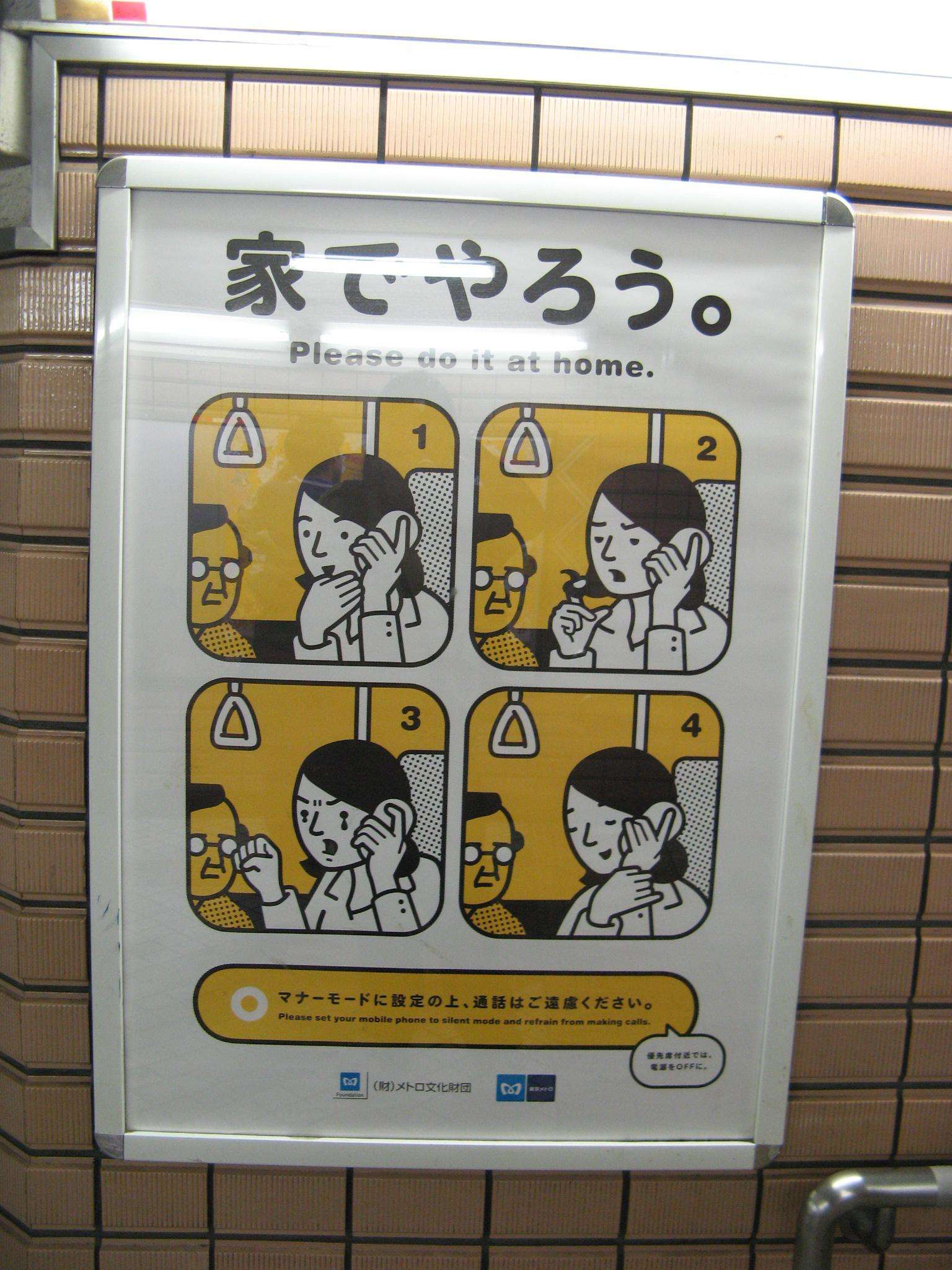
"Please do it at home" - but it's called a MOBILE phone!
I saw Sky Time in a vending machine and was very happy. It being only 2% juice (since I could now read the label) didn't stop me.
My hostel was in the Asakusa region (but across the river from the busier part). Crossing the bridge, I saw:
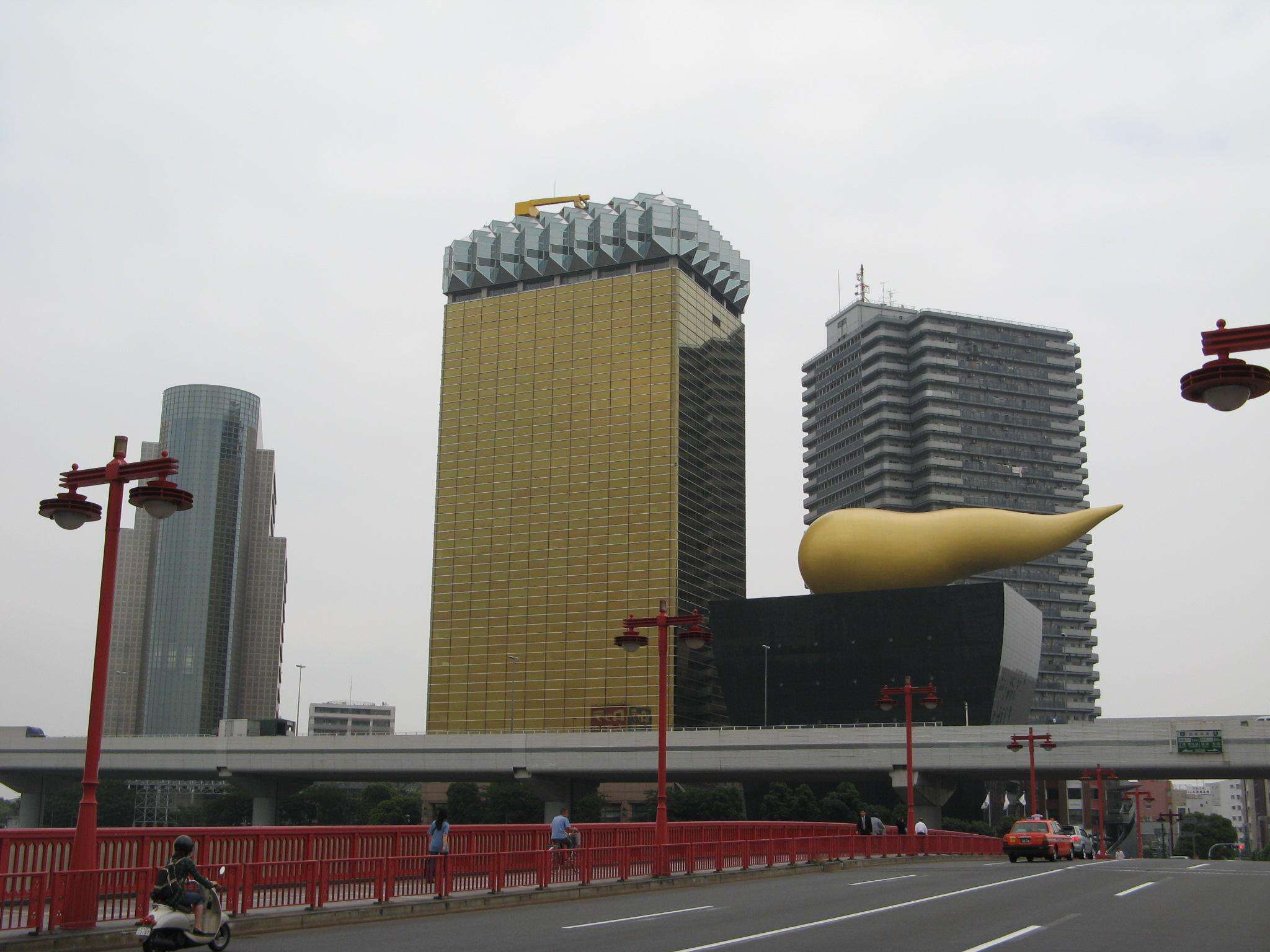
iant golden tadpole (???). IIRC this was a beer company. I don't know what the tadpole symbolised - maybe fertilisation opportunities offered by the beer: a subtle way to increase the birth rate.
The hostel (the most remote Khaosan branch) was quite hard to get to (which was why they told us to print a map) but I navigated the twisting roads and made it there. It has a lot of anal rules which, of course, were promptly ignored (less is more). For example, half the guests' shoes on the shoe rack in the entrance area (since like some Japanese establishments you couldn't wear shoes in) had notices stuck on about them being presumed by the staff to be abandoned and in danger of imminent removal.
Since I had an afternoon left, I tried calling up the 4woods Co.,Ltd ("Manufacturing Inspiring Soulful Love Dolls") as their showroom was in the middle of nowhere and I couldn't figure out the map. Unfortunately, once I got someone able to speak English I found they were closed this week and asked me to return next week (by which time I'd have left Japan already). And I didn't visit at the start of my journey because I got voice mail saying they were closed (or something like that) and I'd already planned my trip. Maybe the next time I visit Chikan land (no, I won't plan a visit just for it, but it's an interesting thing to do)!
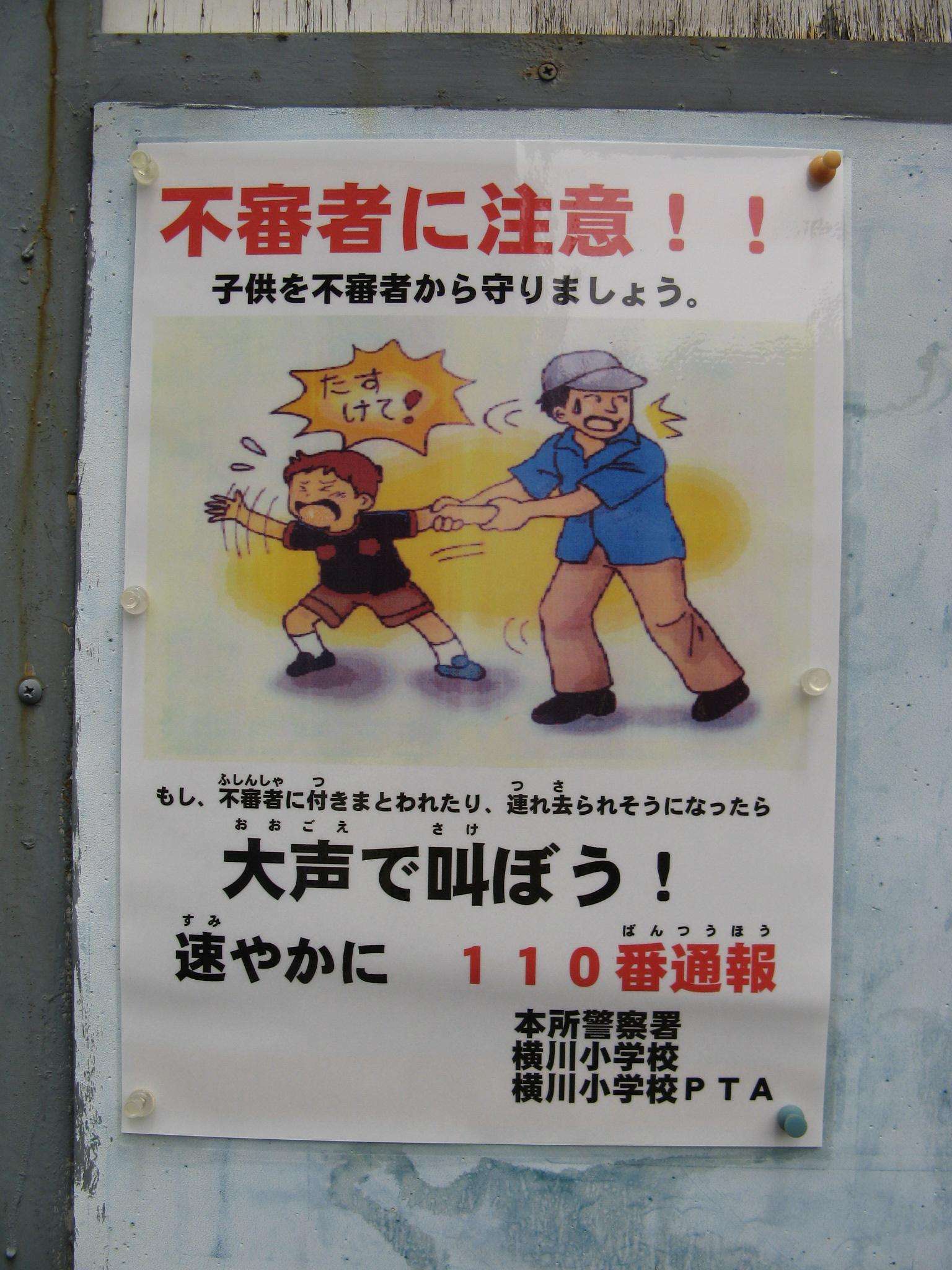
Neighborhood watch: "Don't abduct me"
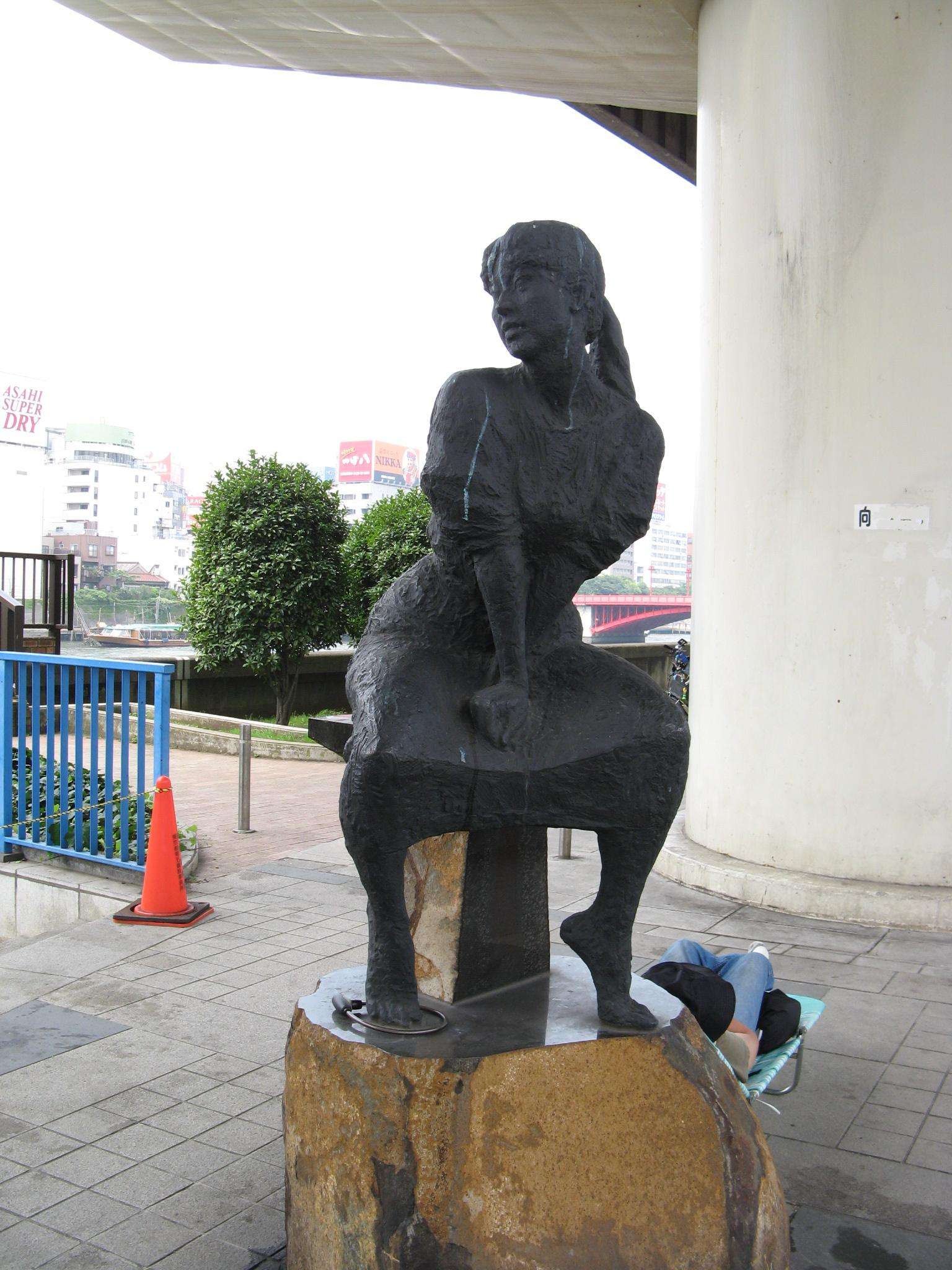
Homeless (?) man sleeping under statue of girl with paint on her

Sci-fi boat
I decided to visit the Edo-Tokyo Museum, a new joint which showcased Tokyo from its days as Edo till post-war reconstruction.
People who were disabled got free entry but had to show "proper identification". Uhh.
The museum's price discrimination was very interesting: they had different prices for those in "university, college and special school", "high school and junior high school (outskirts of Tokyo)" and "junior high school" (for those residing in or going to school in Tokyo). Presumably students not from Tokyo or its outskirts would not want to come, lacking a personal connection to the city (figures! but they seem to have simplified their pricing structure since)
The museum had Y100 lockers - for umbrellas. Uhh.
The museum had an interesting and admirable photo policy: they told you when flash was alright (e.g. for models and not for artefacts), and you couldn't take photos of some things, like costumes by this Japanese designer (who was the first Japanese to enter an international fashion show in London in 1975) which were damn ugly. However I was suffering from a bit of photo fatigue by then (and anyway the museum had interesting information but not so much interesting artefacts - at least ones we were allowed to photograph; there're nice photos on Flickr though).
There was a replica of the famous Nihonbashi bridge from the Edo era, from which all distances in Japan were measured, but I found it impossible to snap. Here're some from people who had more time/energy/technique:


I was lucky enough to get an English-speaking guide, who just before I entered the gallery had departed with a pregnant Japanese lady and her black husband.
During the Edo period the average height of men was 155cm.

Water pumps didn't have enough power so they mainly relied on firebreaks.
Firefighter jackets could be turned inside-out - they wore one side when fighting the fire and when they extinguished the fire the firefighters turned their jackets inside out to display the much nicer side.
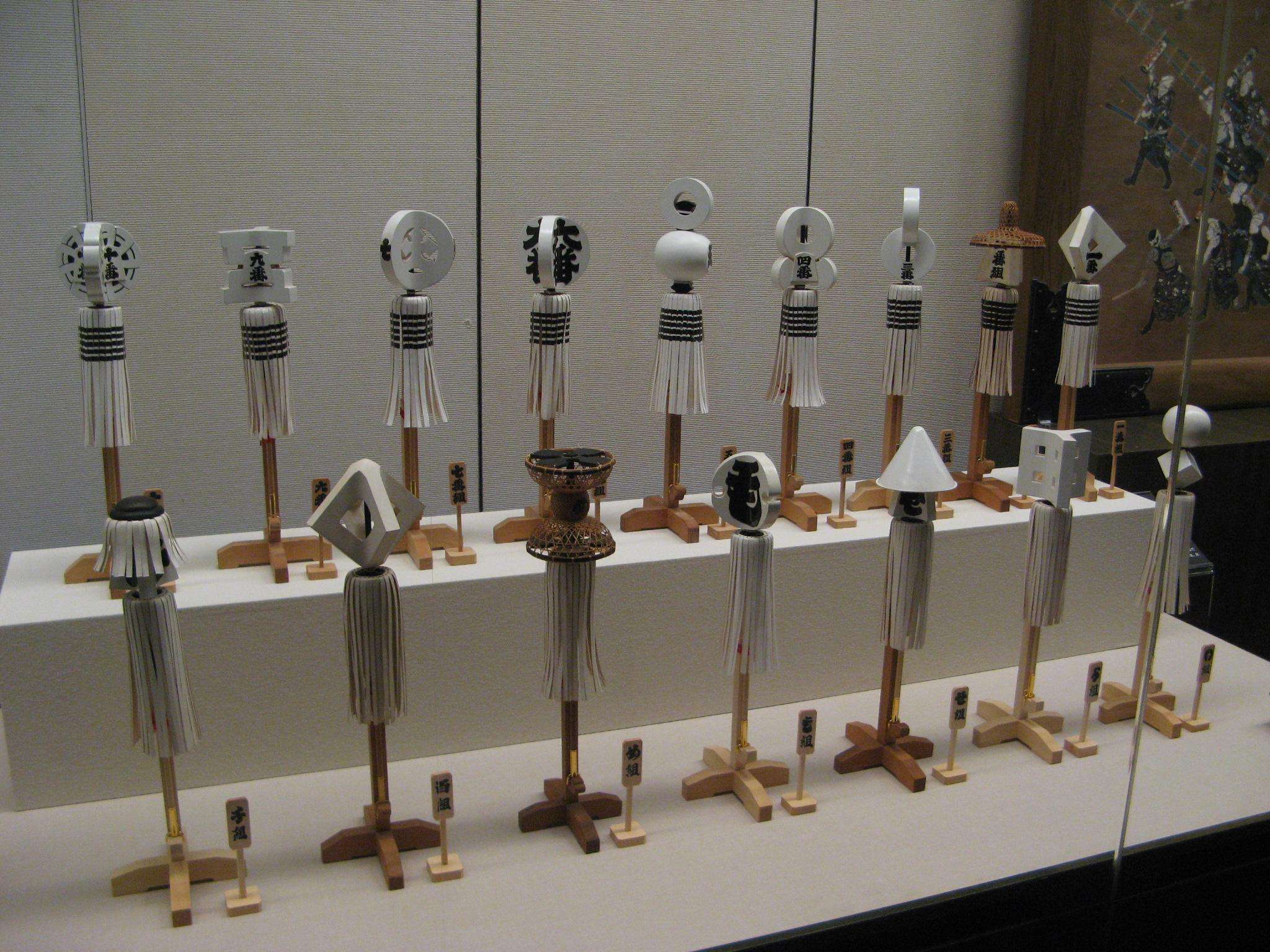
Matoi: firefighting company standards. There was a replica we could lift - it was heavy, but not as bad as I'd feared.

Firefighters of the Sen Company, No. 2 Brigade
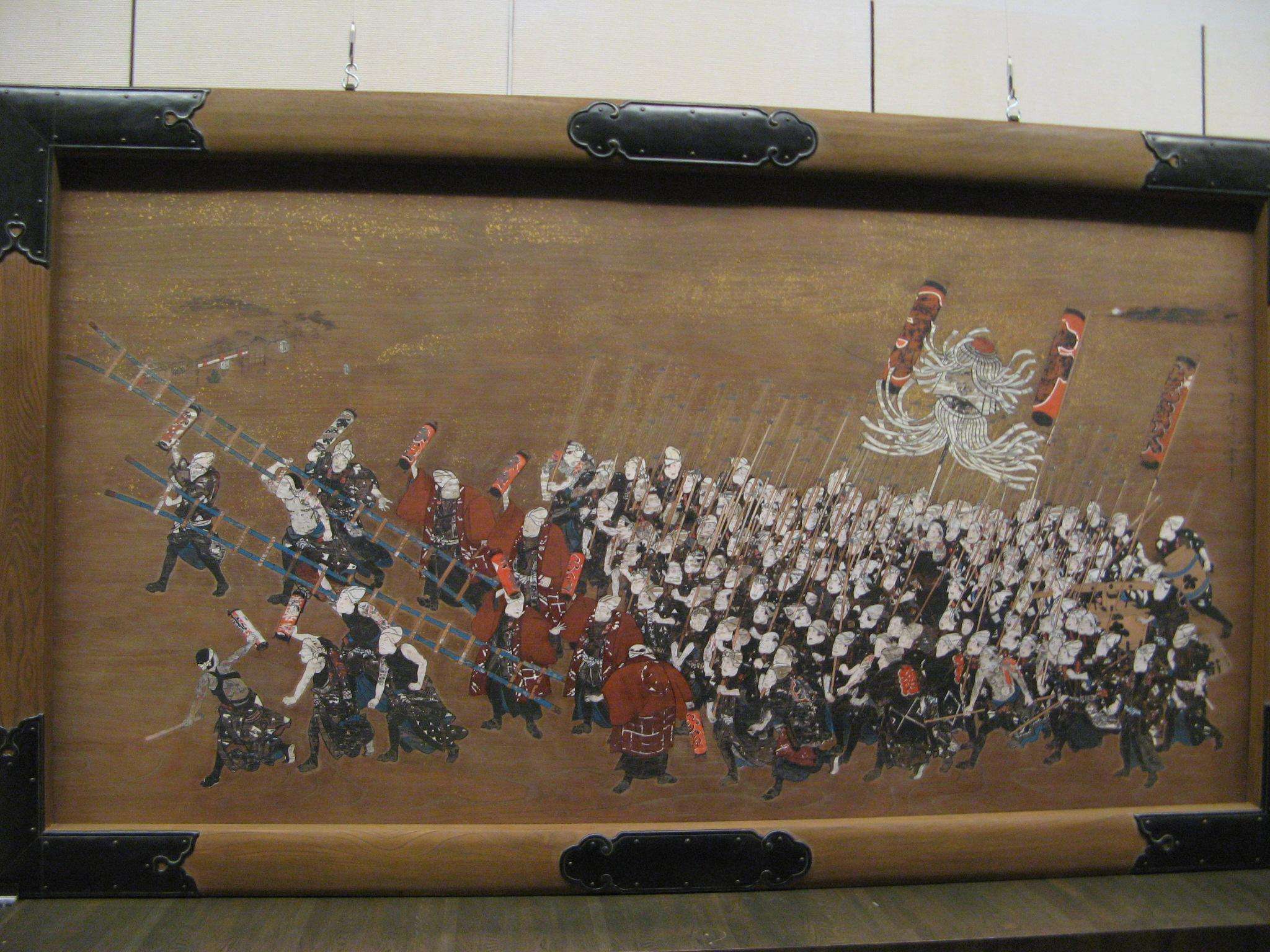
During the Edo period the literacy rate was about 70% due to temple schools. But books were expensive so there were a lot of secondhand bookstores.
The straw band with strips of paper hanging from it that you always see in Shinto shrines represent a sacred place, and it was used to mark family altars as well (we saw one in a reconstructed house).

How polychrome woodblock prints work: each block is painted with one colour, and the paper is imprinted many times. Notice the evolution of this print.
A 1887 painting of Van Gogh's imitated Japanese woodblocks. Whistler did the same.
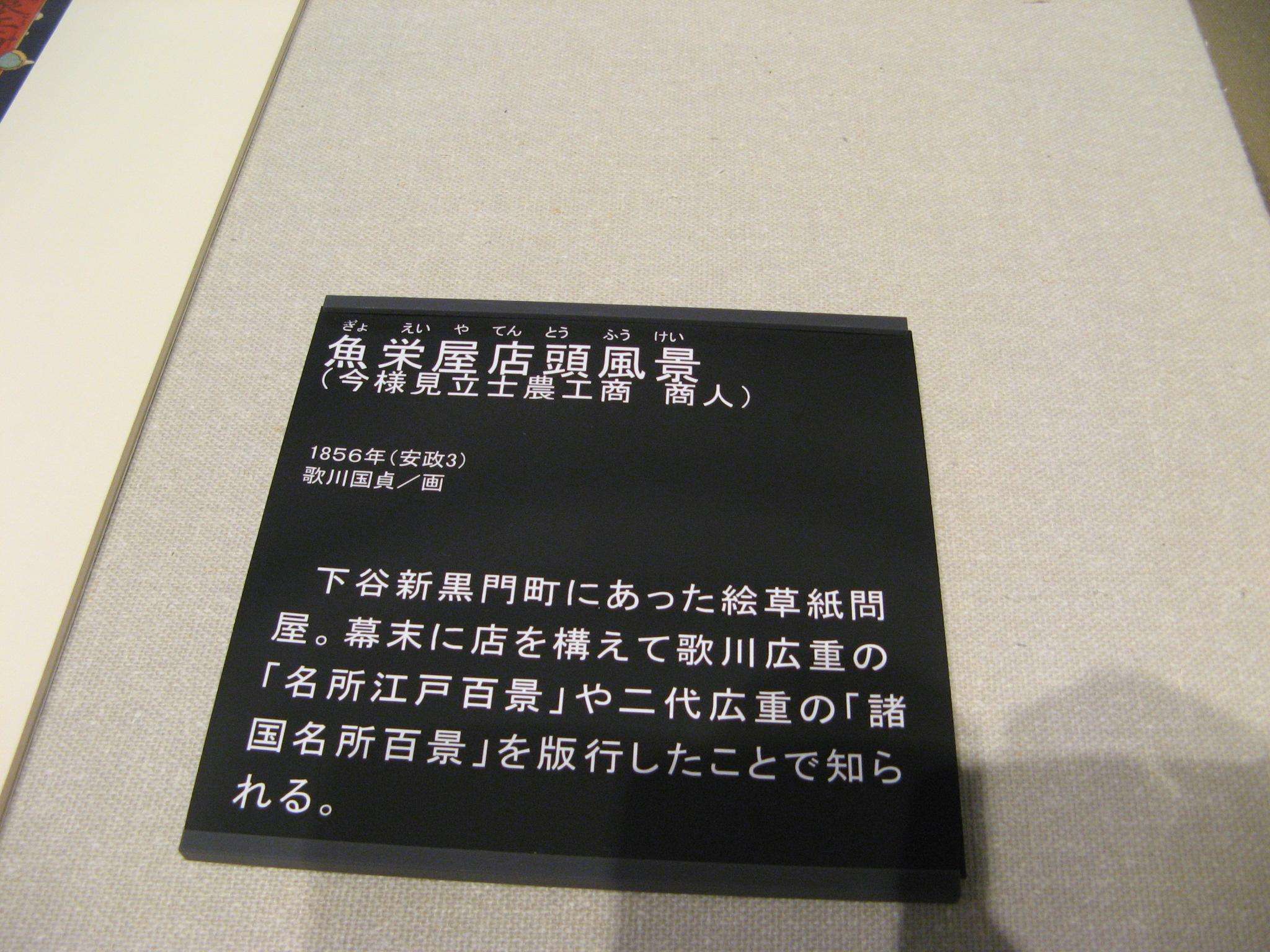
??? woodcut
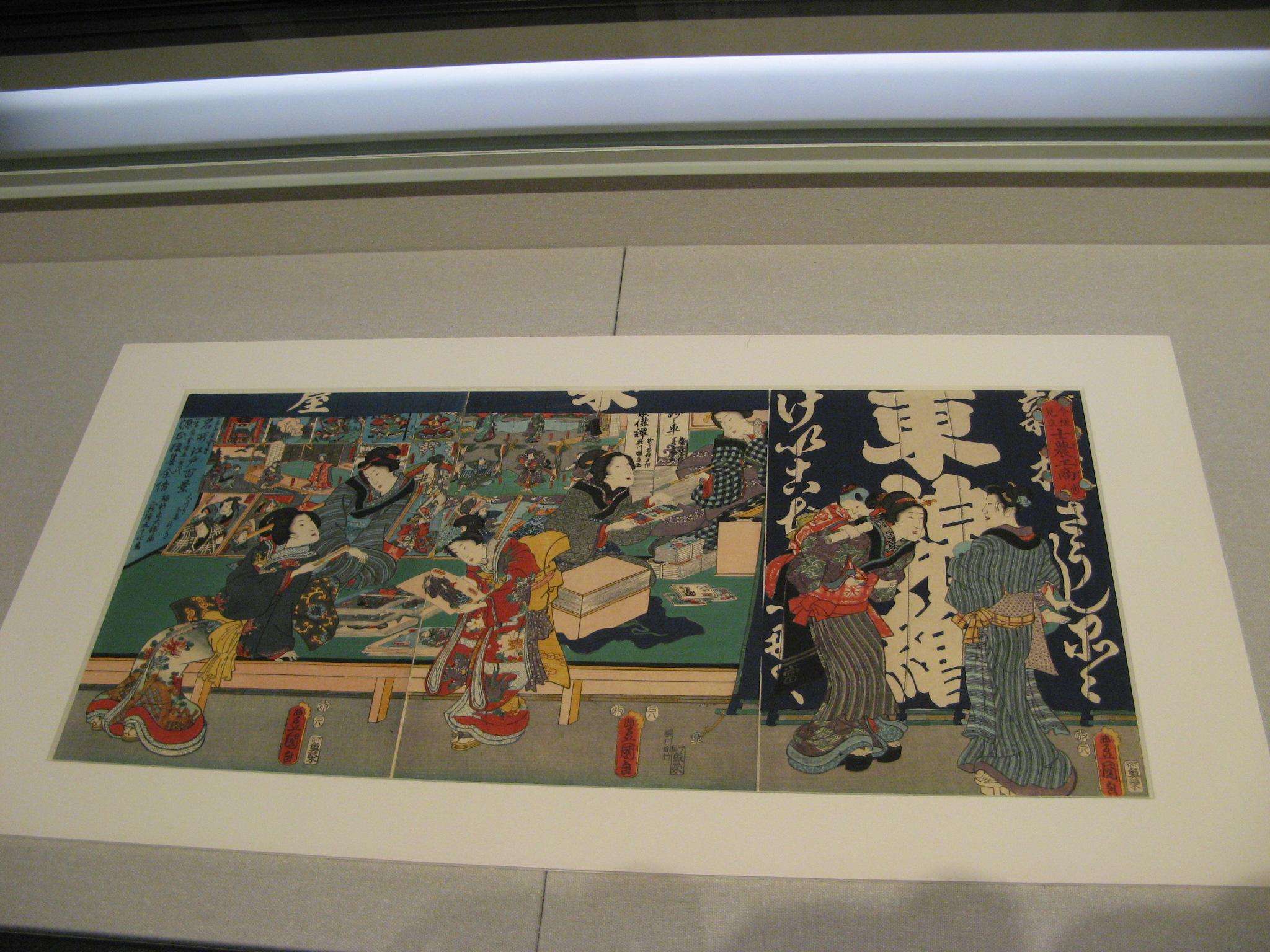
Japanese go to Shinto shrines for happy occasions like weddings and Buddhist temples for sad ones like funerals. They are indeed very chill about religion.
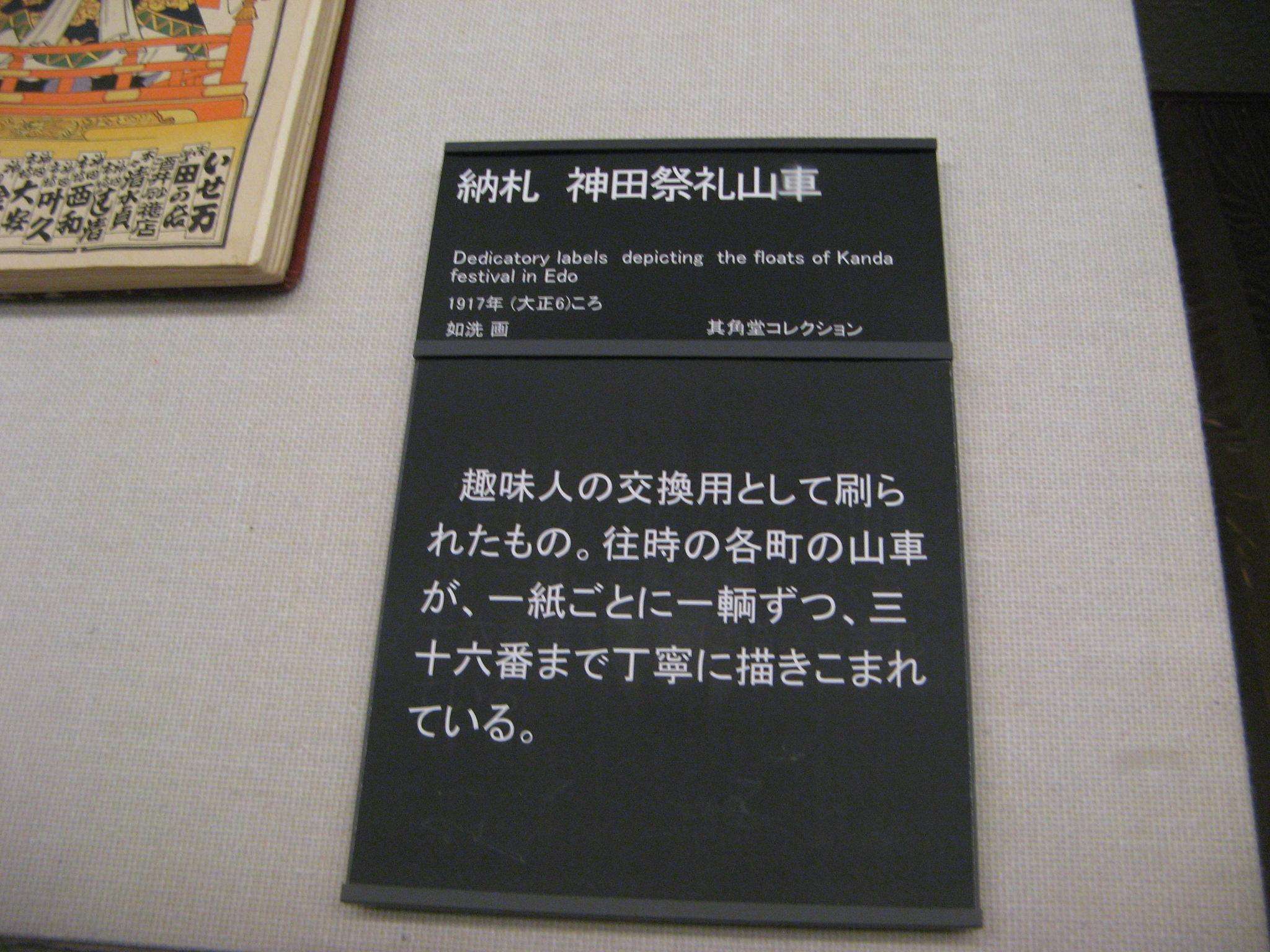
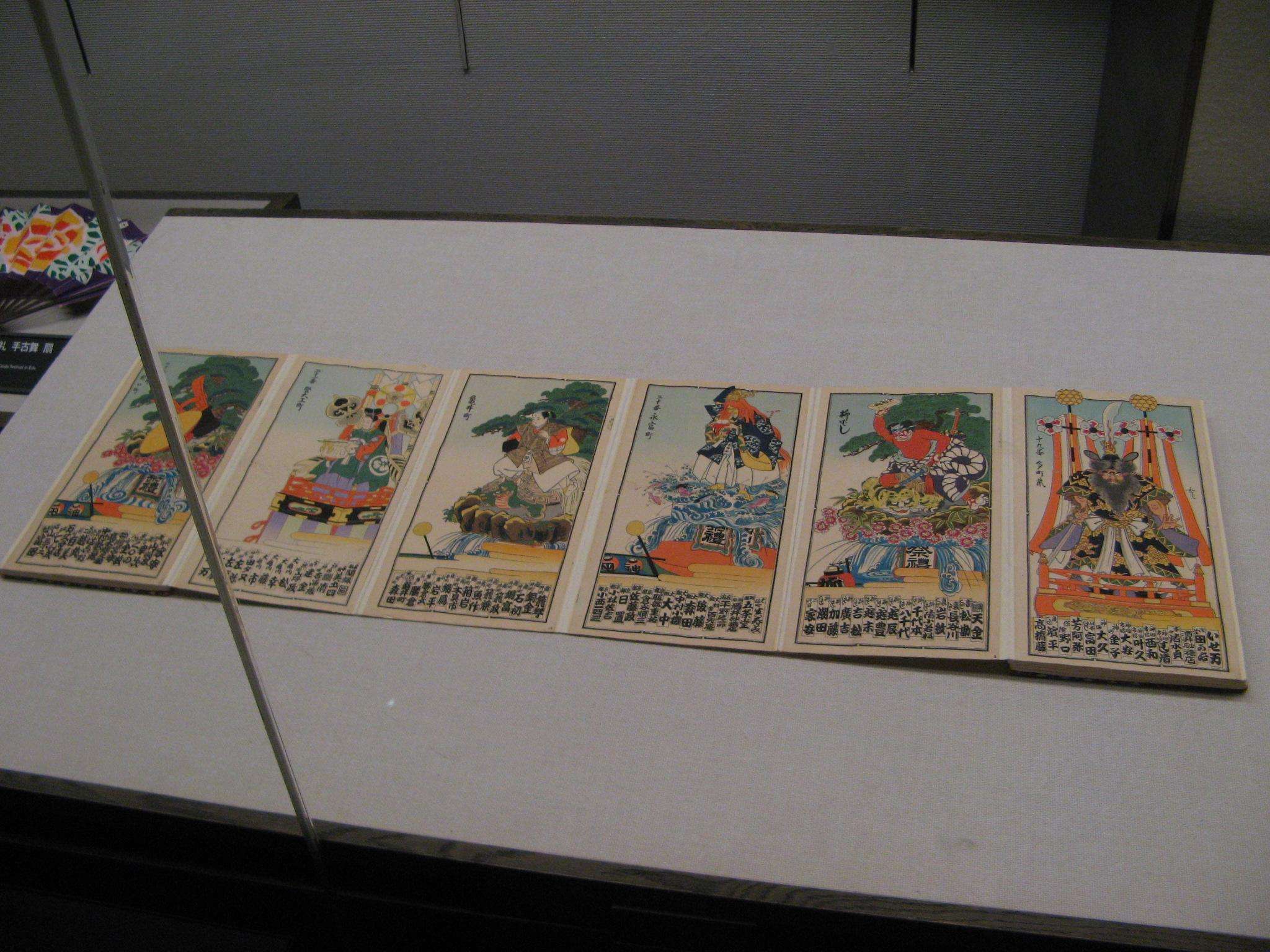
Dedicatory labels depicting the floats of Kanda festival in Edo
Hakushi (the 35 Views of Mt Fuji guy) moved house >90 times. Wth.
They had a replica of the front of a Kabuki theatre:

The arrow through the bullseye represents their hope for a "big hit". GAH.
Kabuki had a revolving stage. So hi-tech. And during the Edo period they held performances during noon so they wouldn't need candles, which were a fire risk.
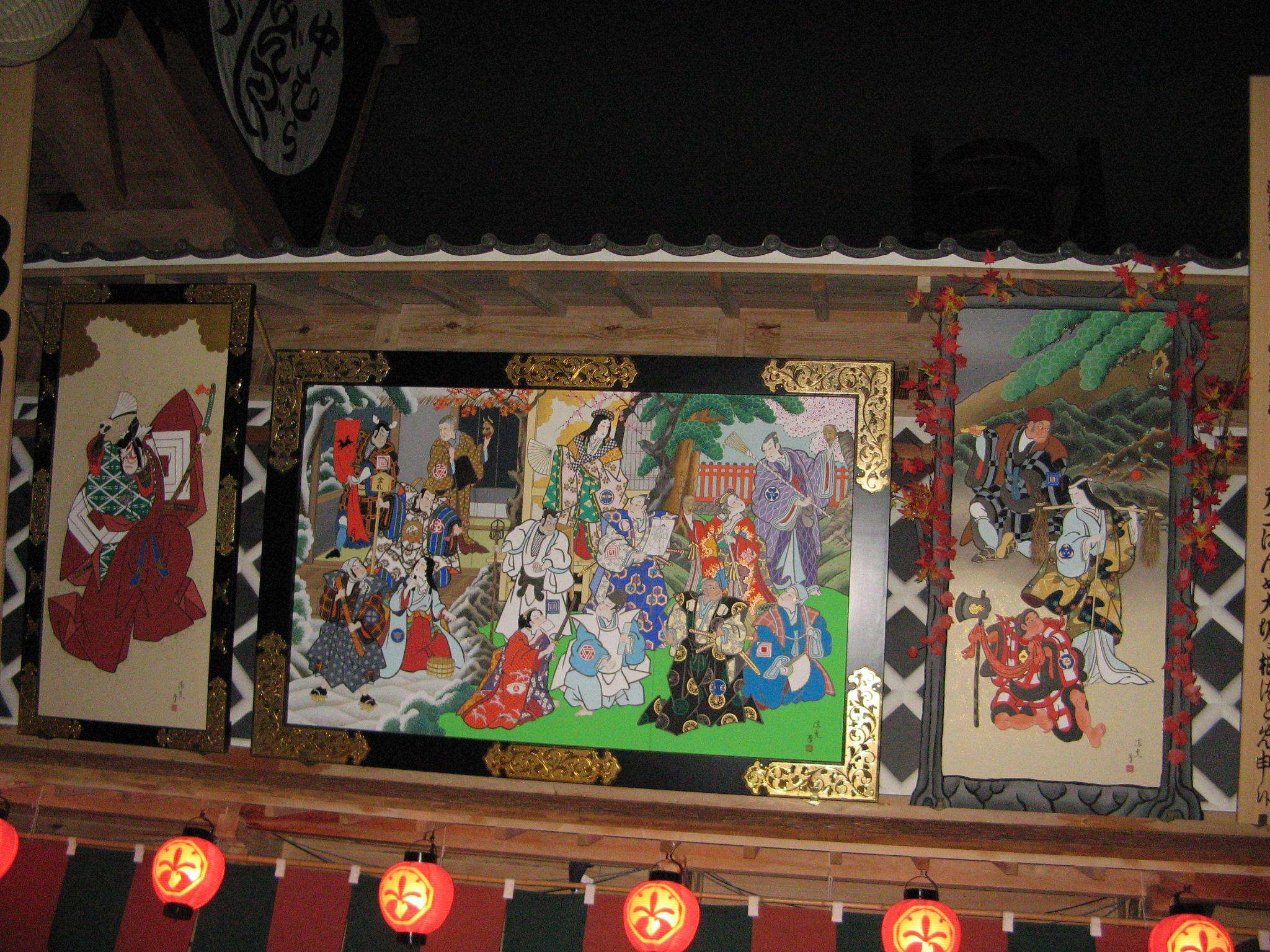
Inside a Kabuki theatre there were no status distinctions (like onsens and sentos). No wonder they were so popular.
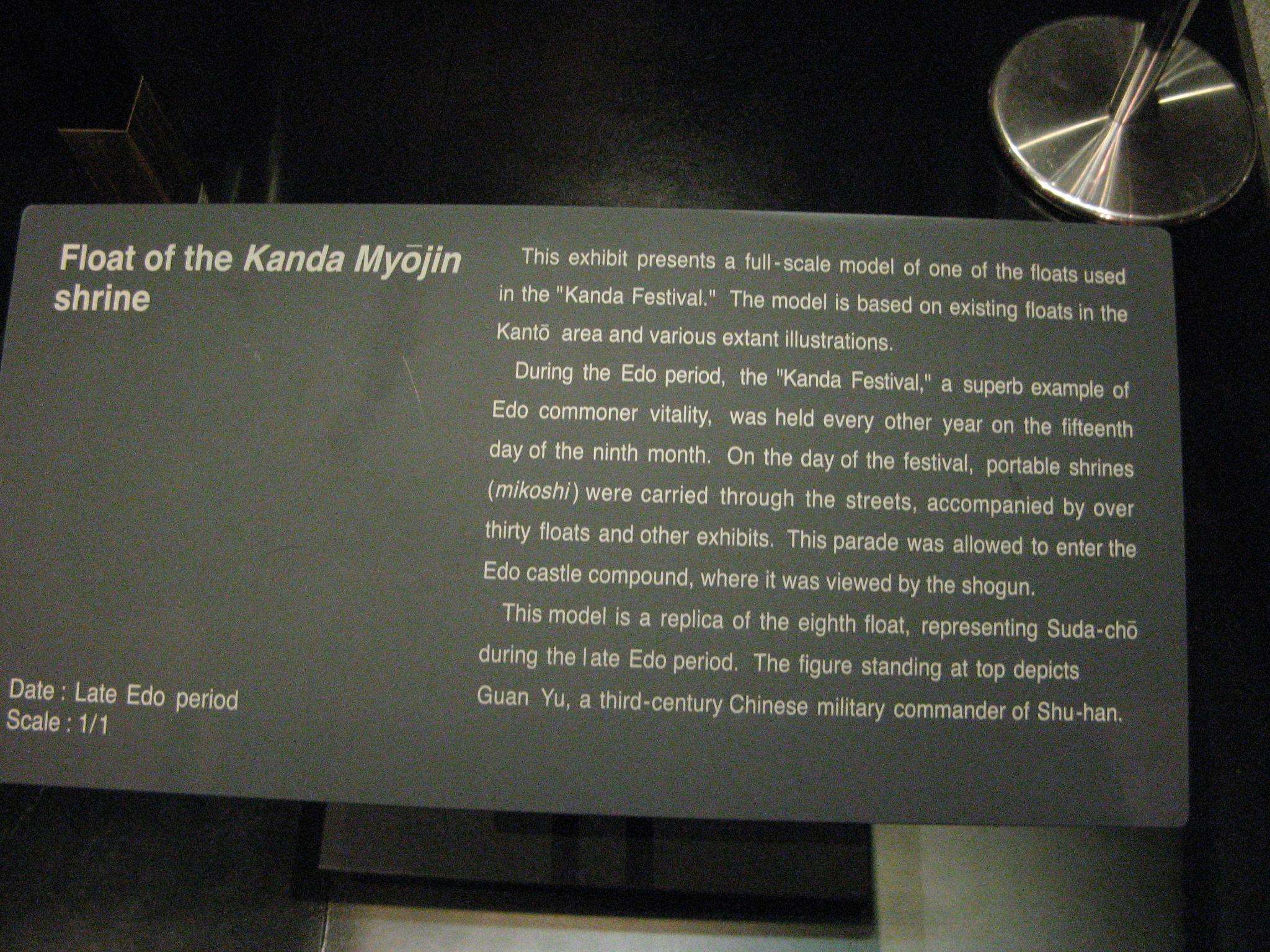
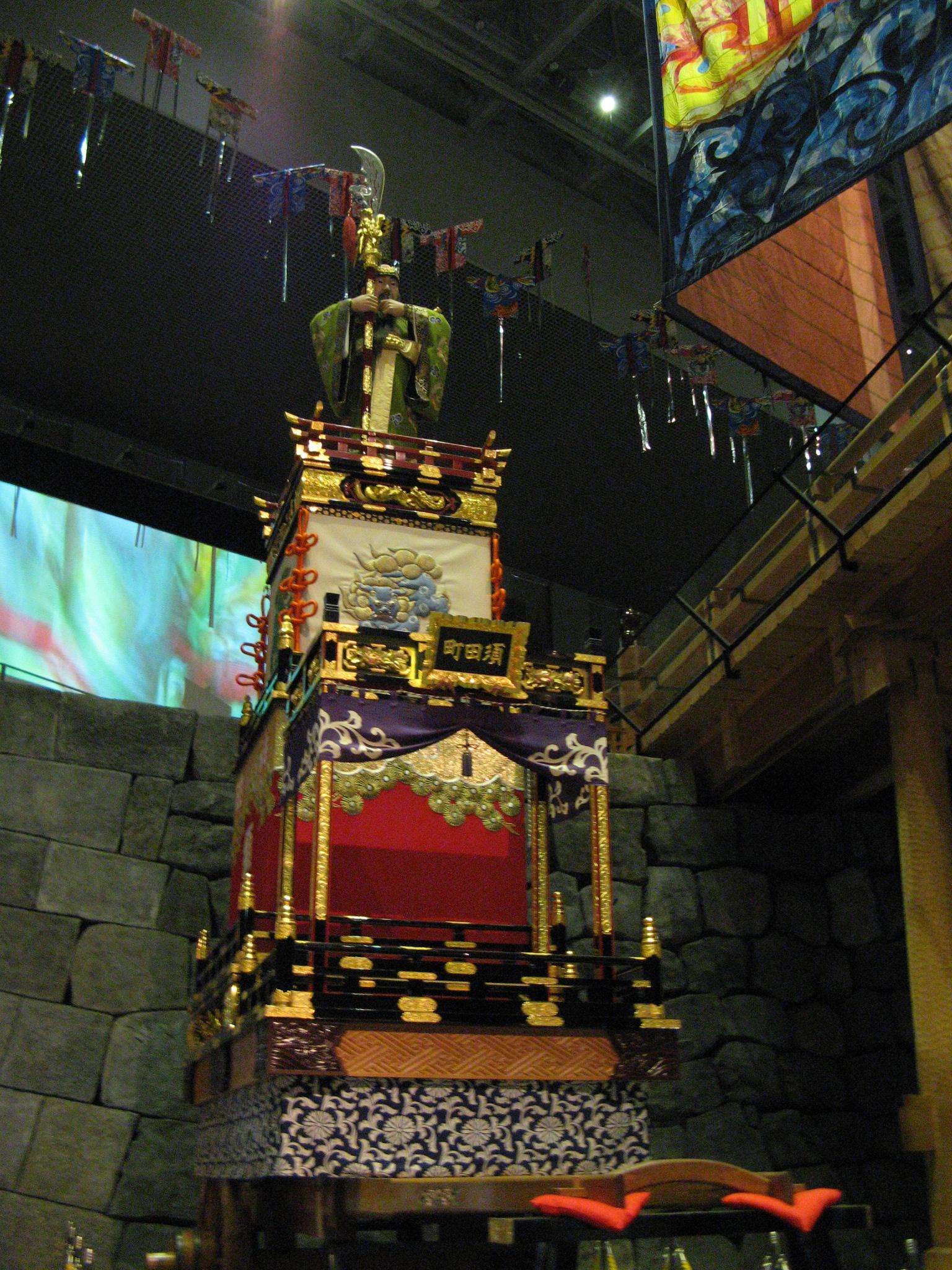
"Kanda Festival" Shrine with Guan Yu (a god of fortune for them) on top.

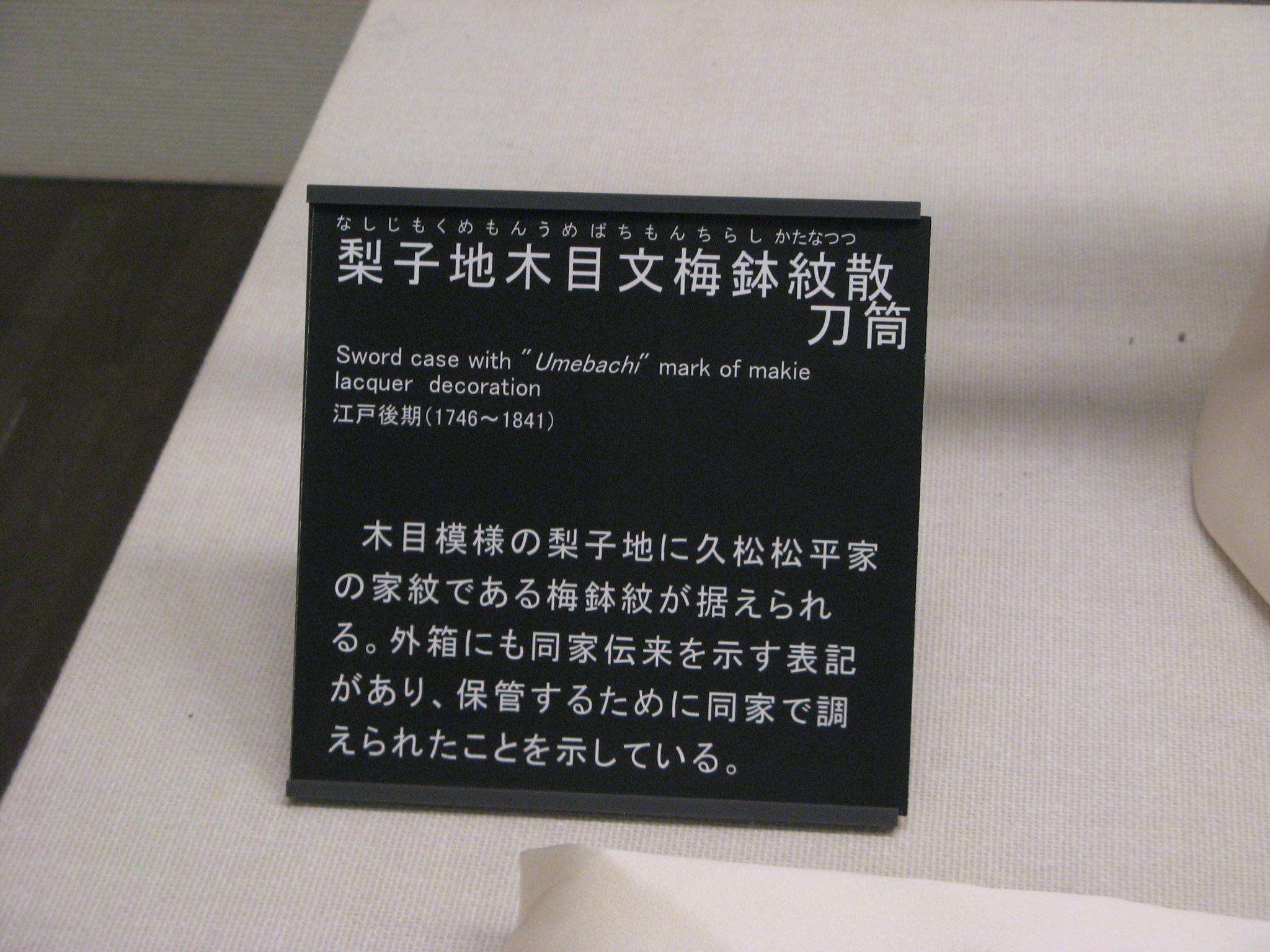
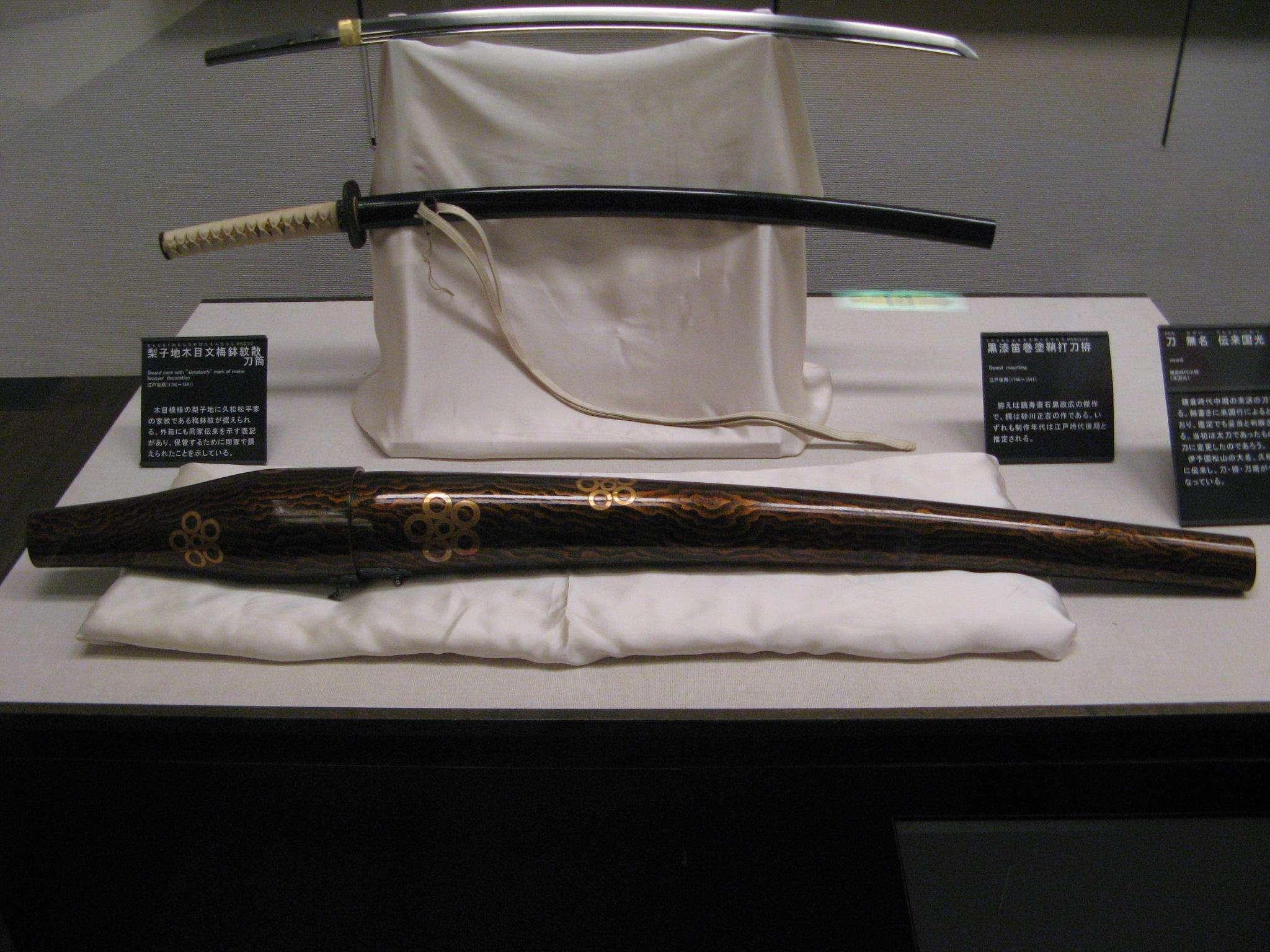
Sword case with "Umebachi" mark of makie lacquer decoration
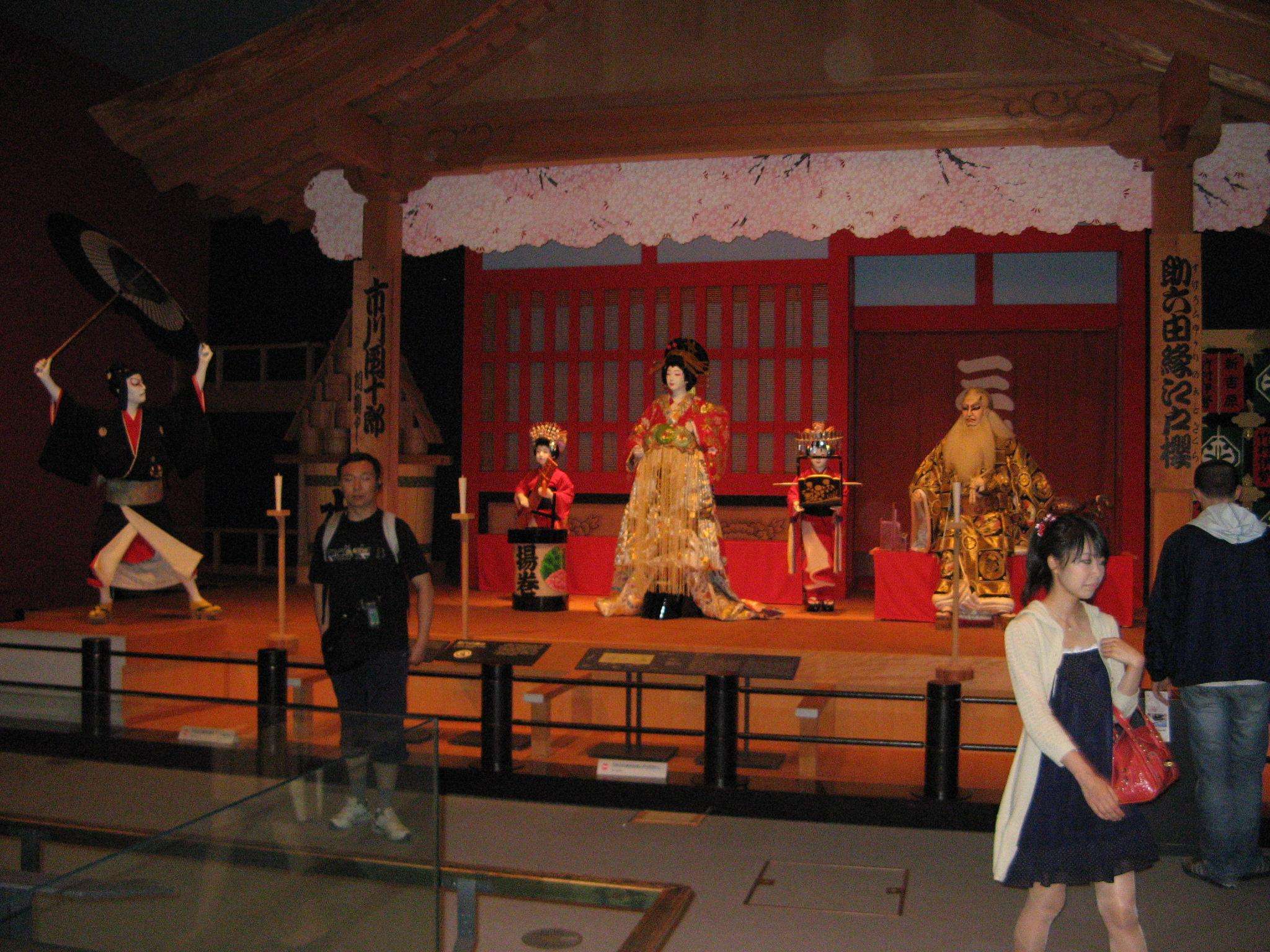
Sukeroku Kabuki scene
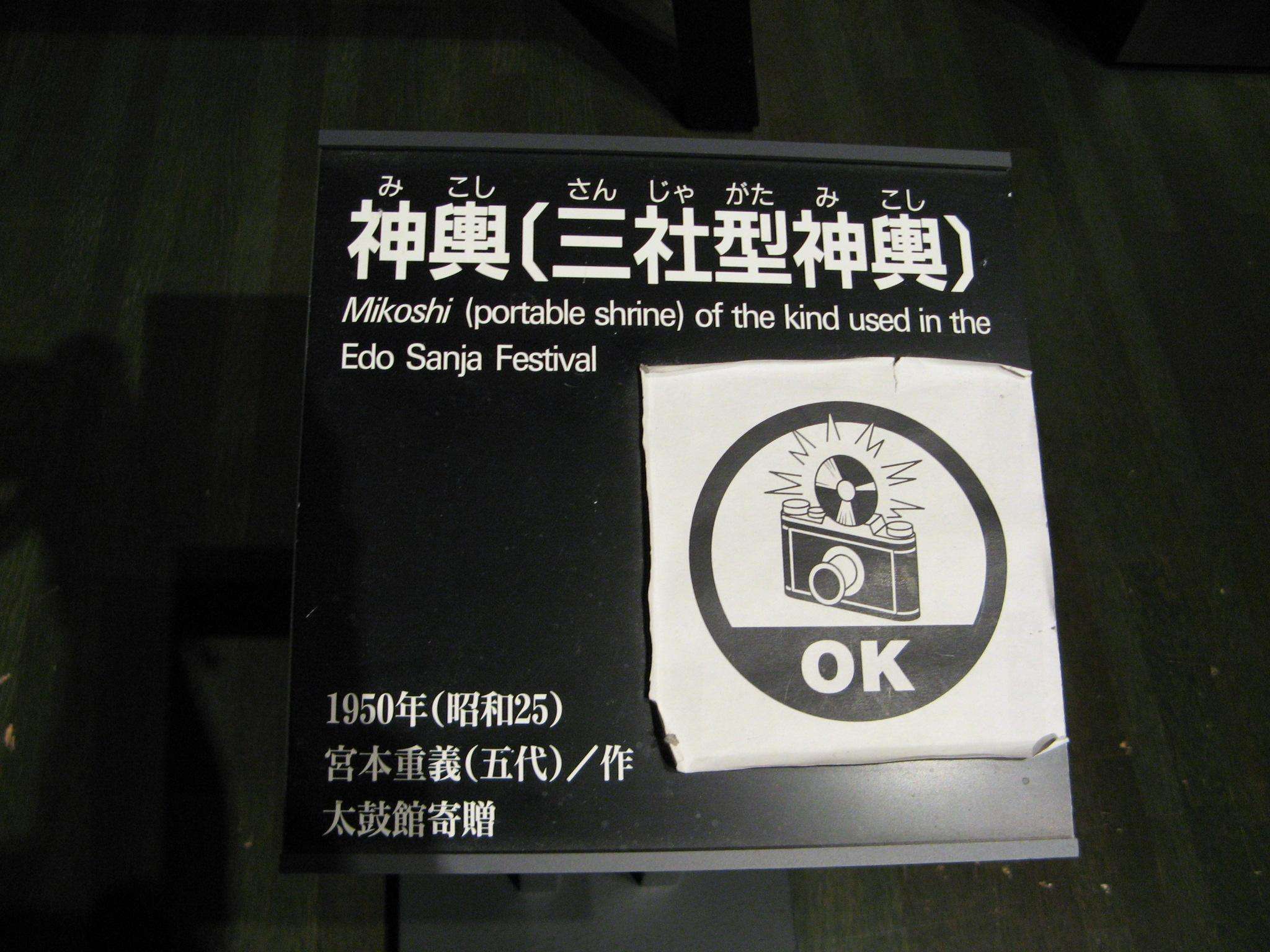
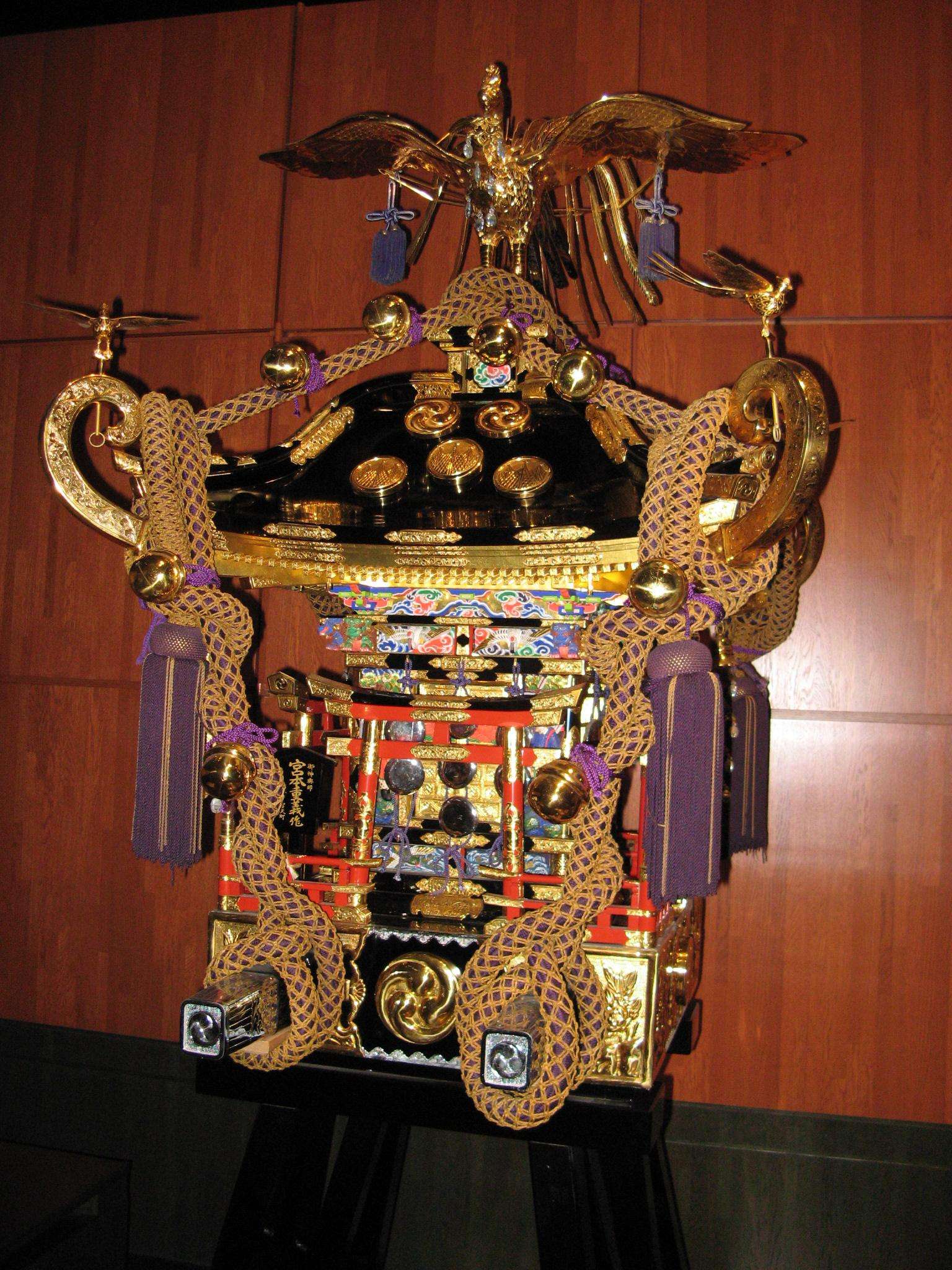
Mikoshi (portable shrine) of the kind used in the Edo Sanja festival
There was also a nice scale model of Edo.
The guide left us at this stage, so we didn't have interesting tidbits about early 20th century Tokyo, but the information panels were interesting enough.
Some old signs and books the museum had also had furigana (hiragana on top of kanji as a pronunciation guide). I don't know they they bother keeping kanji.
An information panel for one old-style bicycle claimed that the front wheel was "large to catch speed". ???
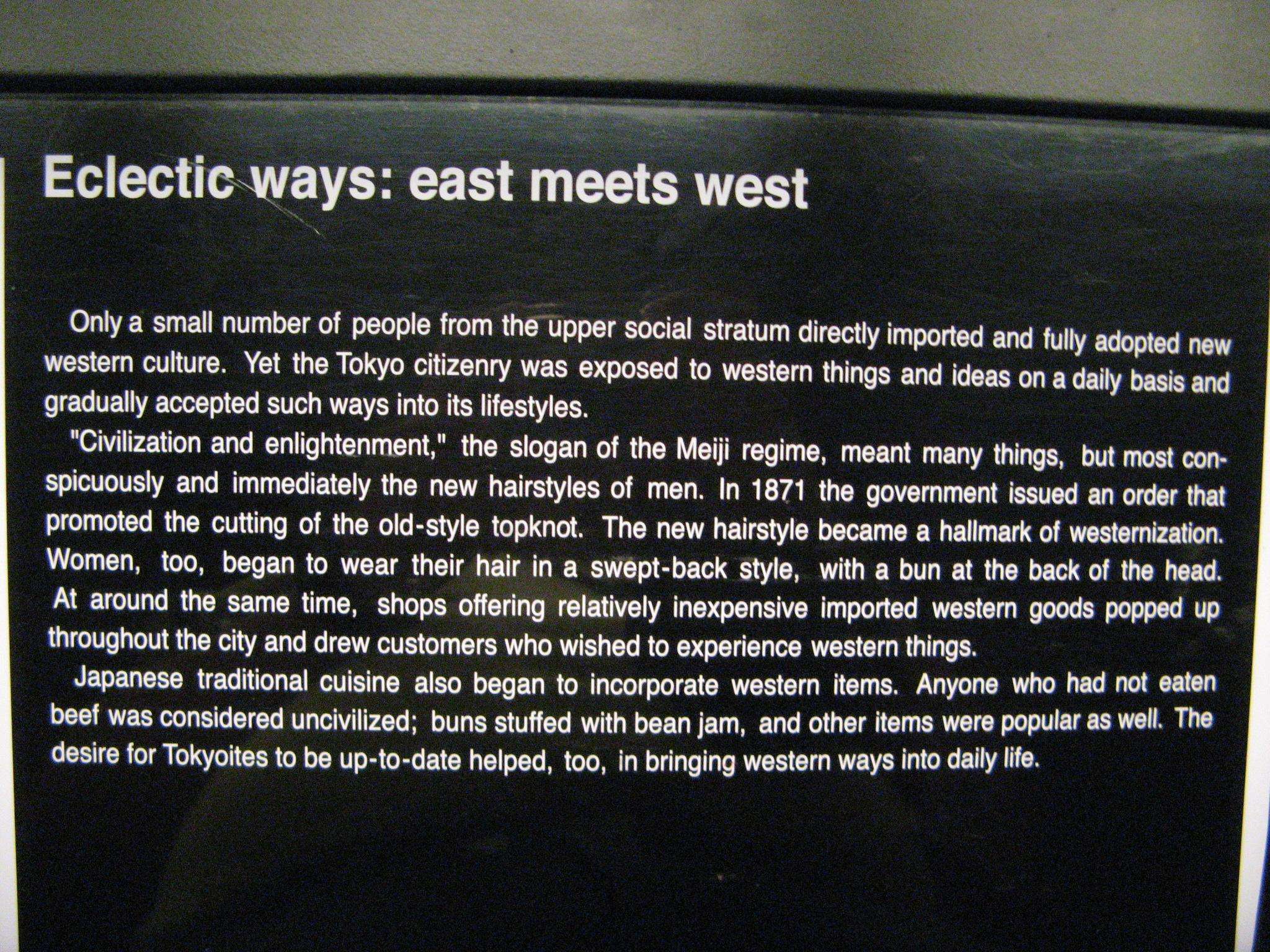
"Eclectic ways: east meets west
Only a small number of people from the upper social stratum directly imported and fully adopted new western culture. Yet the Tokyo citizenry was exposed to western things and ideas or a daily basis and gradually accepted such ways into its lifestyles.
"Civilization and enlightenment," the slogan of the Meiji regime, meant many things, but most conspicuously and immediately the new hairstyles of men. In 1871 the government issued an order that promoted the cutting of the old-style topknot. The new hairstyle became a hallmark of westernization. Women, too, began to wear their hair in a swept-back style, with a bun at the back of the head. At around the same time, shops offenng relatively inexpensive imported western goods popped up throughout the city and drew customers who wished to experience western things.
Japanese traditional cuisine also began to incorporate western items. Anyone who had not eaten beef was considered uncivilized; buns stuffed with bean jam, and other items were popular as well. The desire for Tokyoites to be up-to-date helped, too, in bringing western ways into daily life."
What's so modern about eating "buns stuffed with bean jam" (anpan)?!
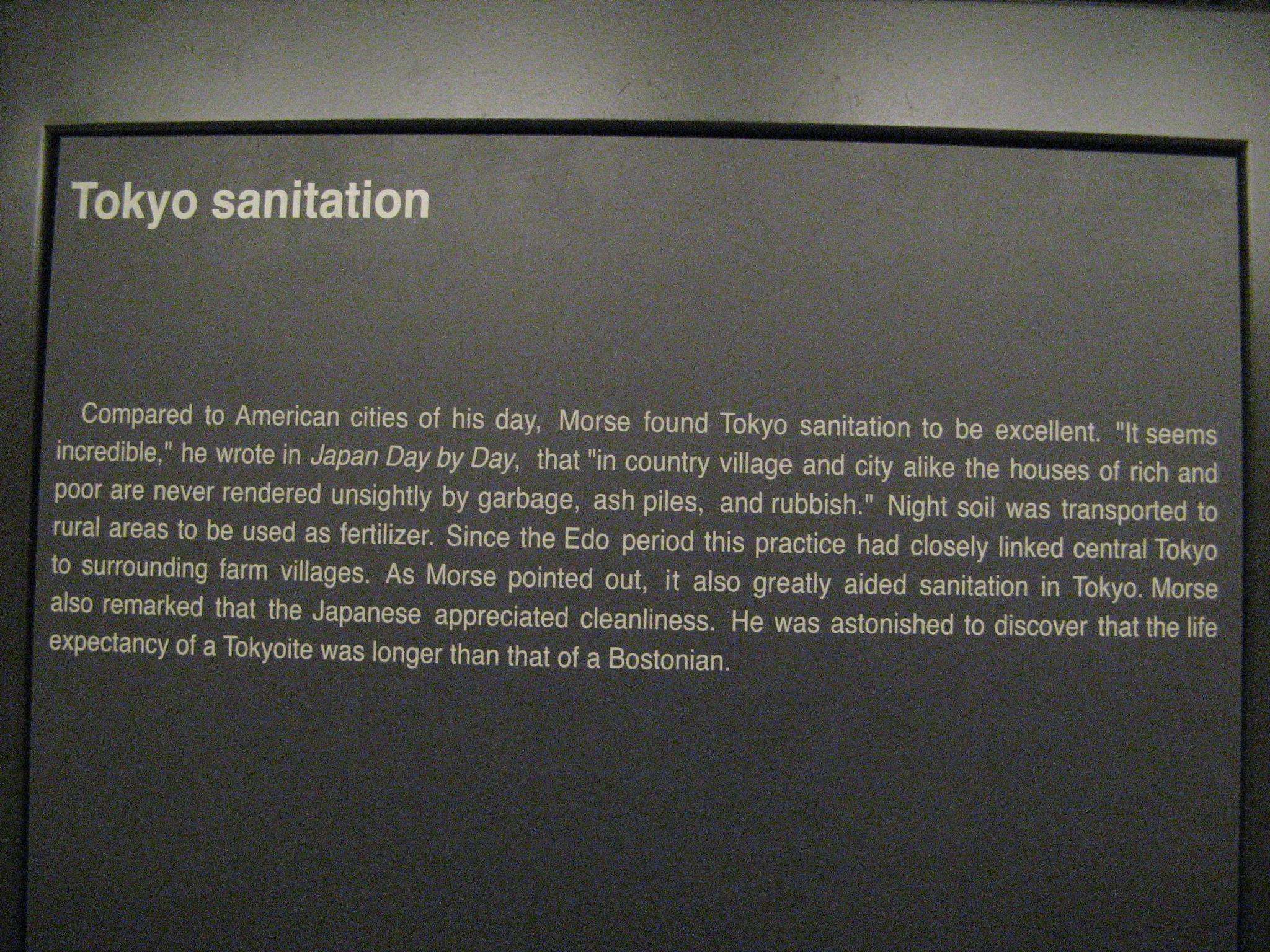
"Tokyo Sanitation
Compared to American cities of his day, [ES] Morse found Tokyo sanitation to be excellent. "It seems incredible," he wrote in Japan Day by Day, that “in country village and city alike the houses of rich and poor are never rendered unsightly by garbage, ash piles, and rubbish.” Night soil was transported to rural areas to be used as fertilizer. Since the Edo period this practice had closely linked central Tokyo to surrounding farm villages. As Morse pointed out, it also greatly aided sanitation in Tokyo. Morse also remarked that the Japanese appreciated cleanliness. He was astonished to discover that the life expectancy of a Tokyoite was longer than that of a Bostonian."
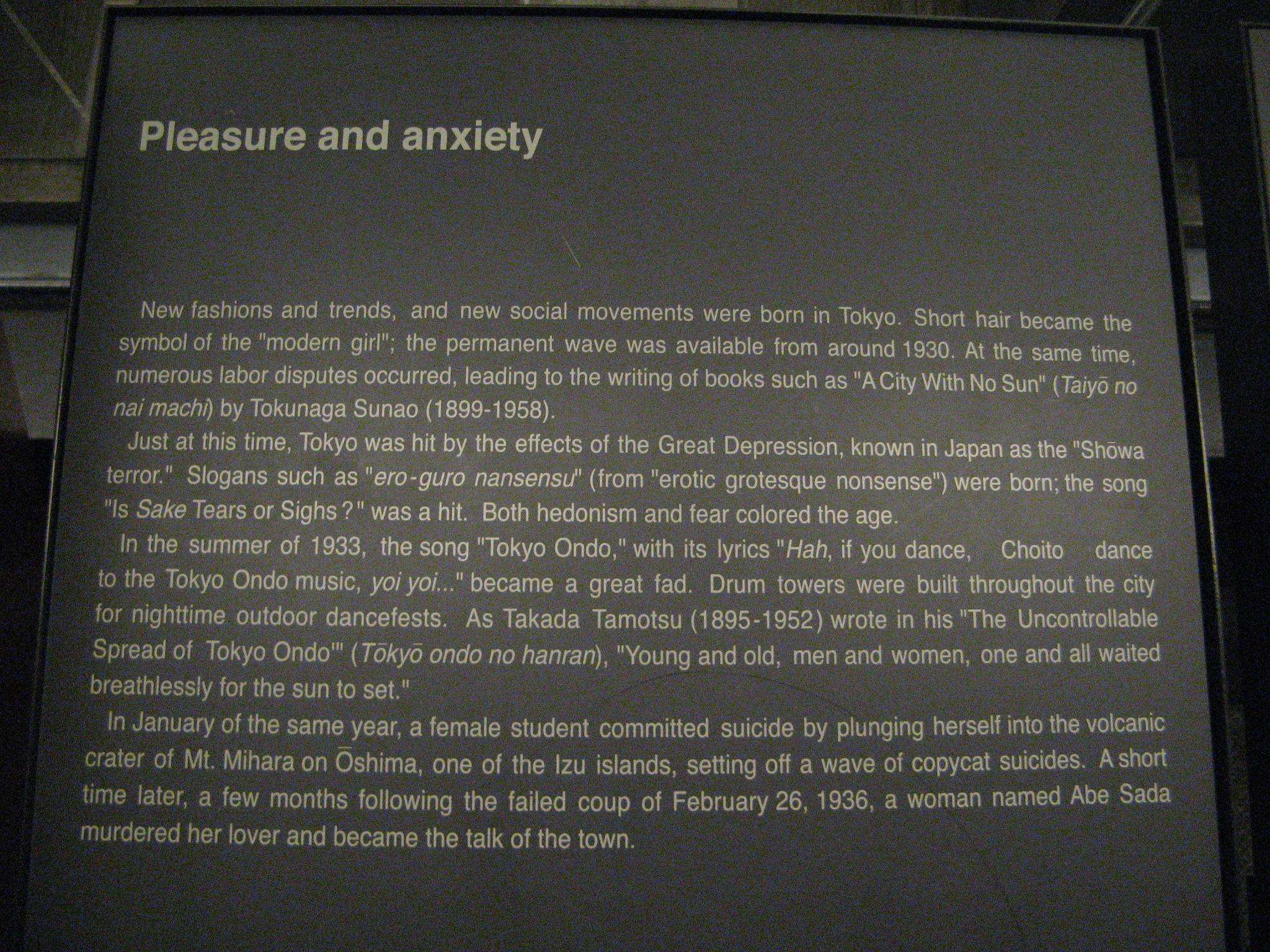
"Pleasure and anxiety
New fashions and trends, and new social movements were born in Tokyo. Short hair became the symbol of the “modern girl”; the permanent wave was available from around 1930. At the same time, numerous labor disputes occurred, leading to the writing of books such as “A City With No Sun” (Taiyo no nai machi) by Tokunaga Sunao (1899-1958).
Just at this time, Tokyo was hit by the effects of the Great Depression, known in Japan as the “Showa terror.” Slogans such as "ero-guro nansensu" (from “erotic grotesque nonsense”) were born; the song “Is Sake Tears or Sighs?” was a hit. Both hedonism and fear colored the age.
In the summer of 1933, the song “Tokyo Ondo,” with its lyrics “Hah, if you dance, Choito dance to the Tokyo Ondo music, yoi yoi...” became a great fad. Drum towers were built throughout the city for nighttime outdoor dancefests. As Takada Tamotsu (1895-1952) wrote in his “The Uncontrollable Spread of Tokyo Ondo” (Tokyo ondo no hanran), “Young and old, men and women, one and all waited breathlessly for the sun to set.”
In January of the same year, a female student committed suicide by plunging herself into the volcanic crater of Mt. Mihara on Oshima, one of the Izu islands, setting off a wave of copycat suicides. A short time later, a few months following the failed coup of February 26, 1936, a woman named Abe Sada murdered her lover and became the talk of the town."
Plus ca change...; the last paragraph is particularly wth
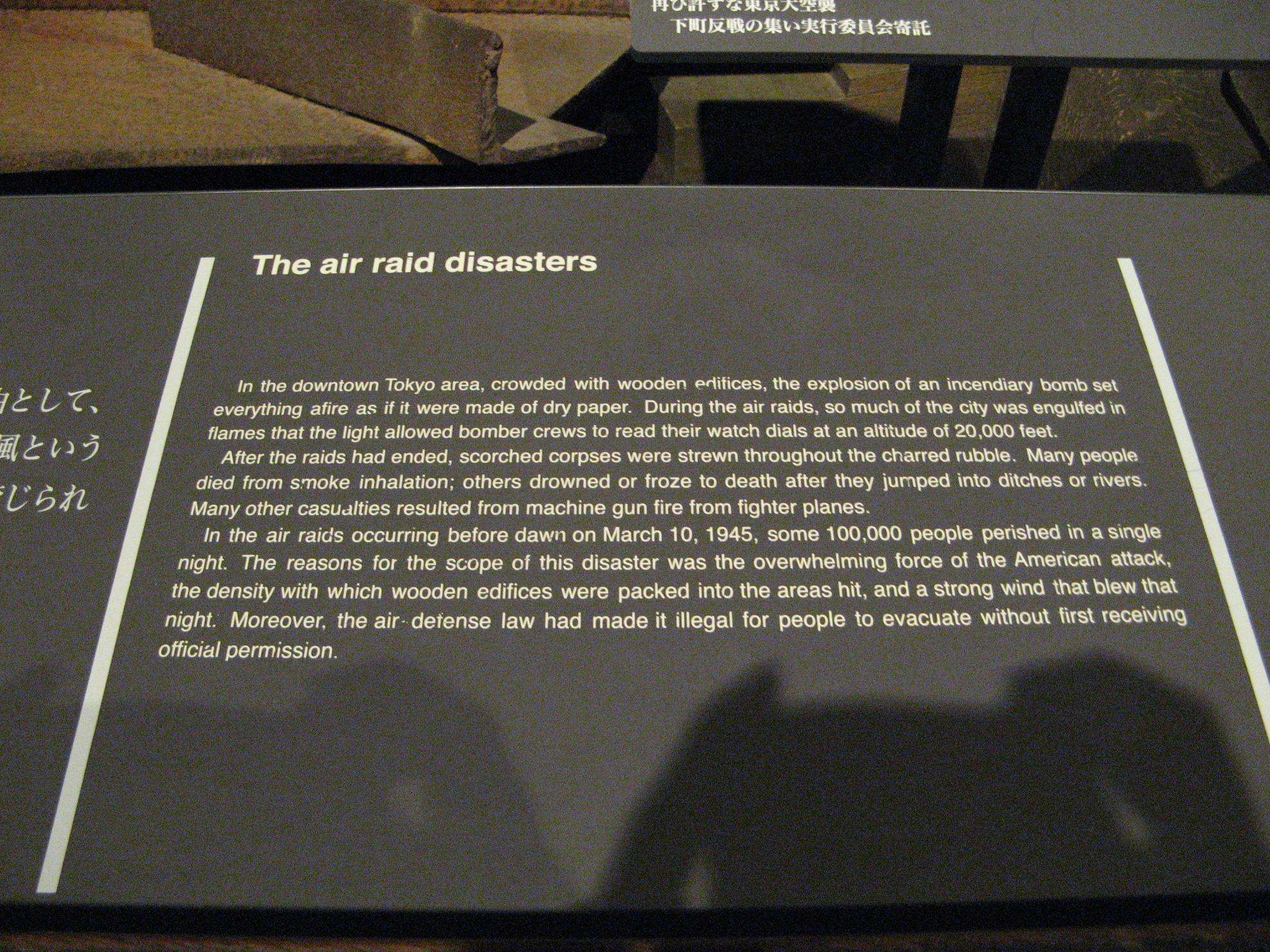
"The air raid disasters
Some 100,000 people perished in a single night... the air-defense law had made it illegal for people to evacuate without first receiving official permission."
The wonders of bureaucracy. You also needed permission granted for the brightness of your flame
Interestingly, the incendiary bombing of urban cities was started by the Japanese when they bombed Chongqing. Hah.
There was a People's Rights Movement campaigning to grant people decadent Western democratic rights, but there was a backlash of traditional values and in 1890 the Imperial Rescript on Education was promulgated. Education was changed to incorporate Asian Values and nationalism. This was one reason why 40 years later there was a rash of "incidents". The National Education lessons that we can learn are profound indeed.
During the war people polished rice by putting it in a bottle and beating it with a stick.
Having finished the permanent collection, I moved on to the special exhibition: "The Perry & Harris Exhibition: The Dawn of US-Japan Relations". Even with a joint ticket, it was expensive and a boring exhibition (not least due to the lack of English signage - only section overviews and names and provenances of items were in English); I'm glad I'm not the only one who thought so ("We expected to have a rewarding experience learning about the beginning of the Bakumatsu period, but instead learned that is possible to fall asleep while standing on one's own two feet!")
Photography was disallowed so you'll have to content yourself with my snide remarks.
The exhibition said the 1858 treaty was the "starting point for the close Japan-US relationship that continues today". They seem to have missed a few "incidents"...
The text of the treaty (in both English and Japanese) was displayed. The American version of the treaty was much longer than the Japanese one, probably because the latter just read: "We surrender. Please don't kill us"
Perry is usually portrayed as violent and a violator of Japan, but here it was revealed he exchanged gifts and banquet invitations with the Japanese. For their banquets, the Japanese cooked Japanese food, while the US cooked French (hah, not American!)
For the exhibition, they managed to dig up a lot of stuff from US museums. Including a piece of Japanese porcelain from the Smithsonian Institution's Natural History museum (the fact that Anthropology is under Natural History is RACIST!) And also drawings from Munich's Ethnology Museum.
Harper's Weekly Journal of Civvilization drew the first Japanese ambassadors in 1860 as Negroes.
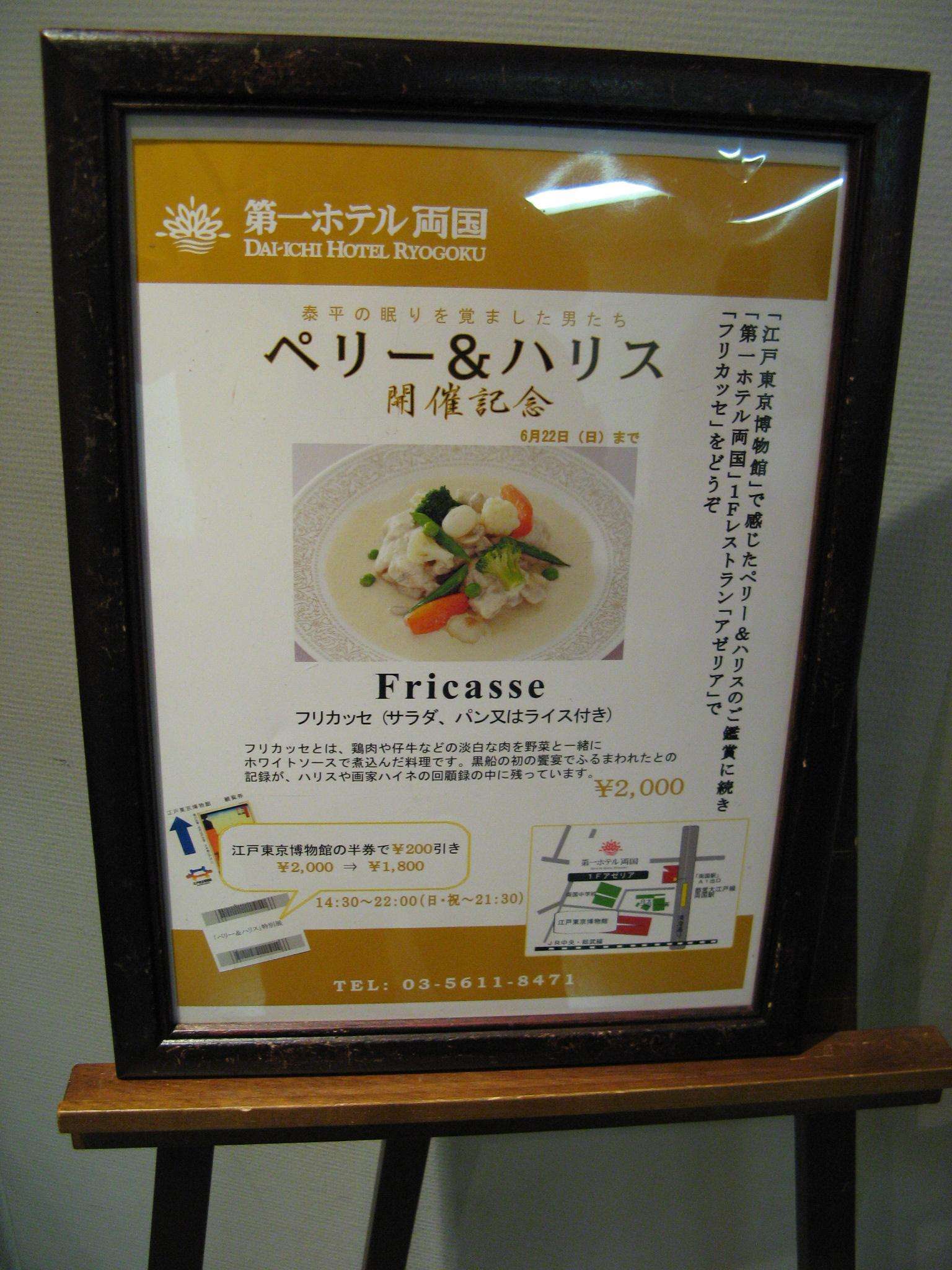
Get a 10% discount on this Fricasse with your ticket stub
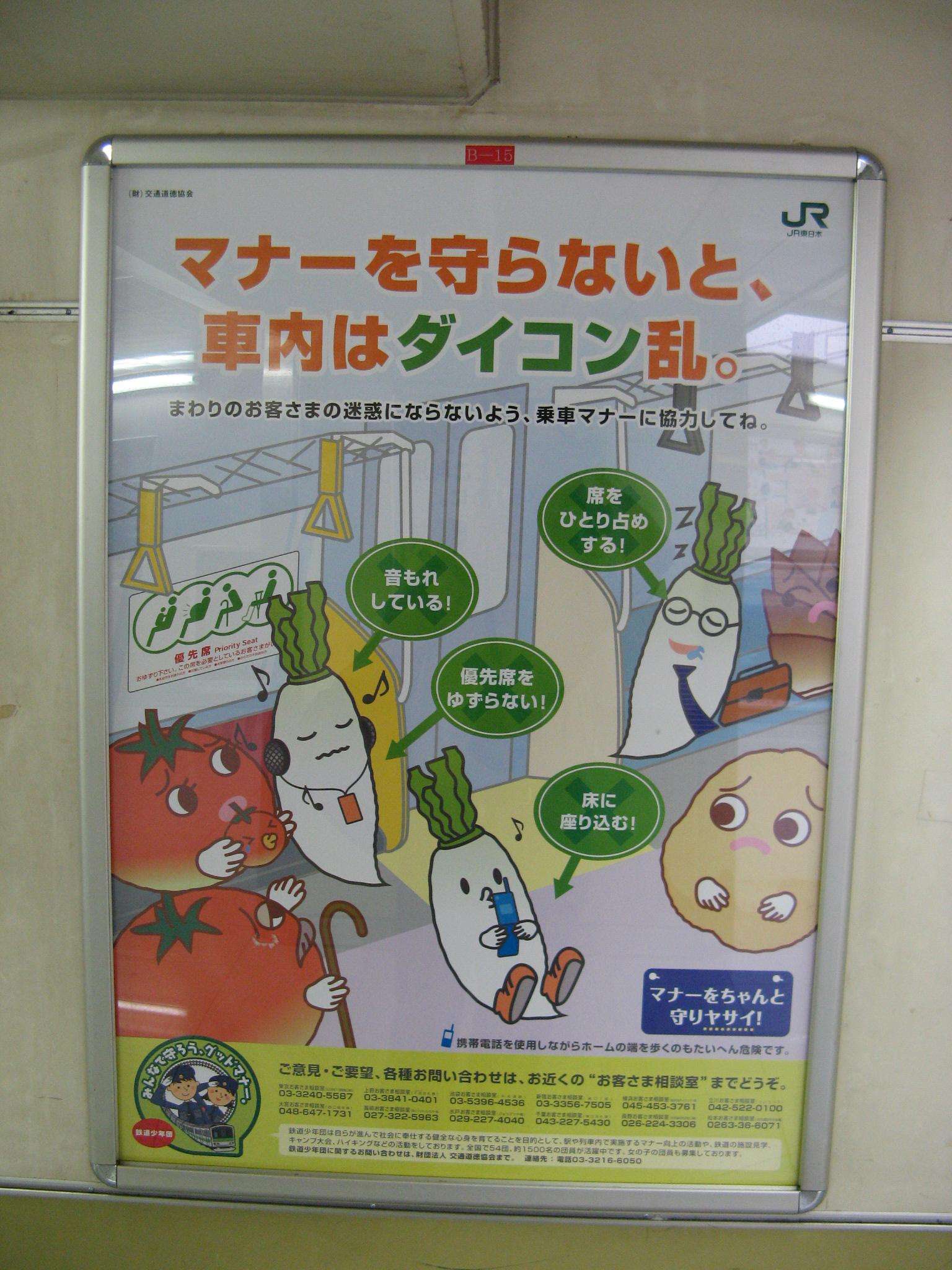
Veggies on the train (???) Maybe the moral of the story is that veggies are bad.
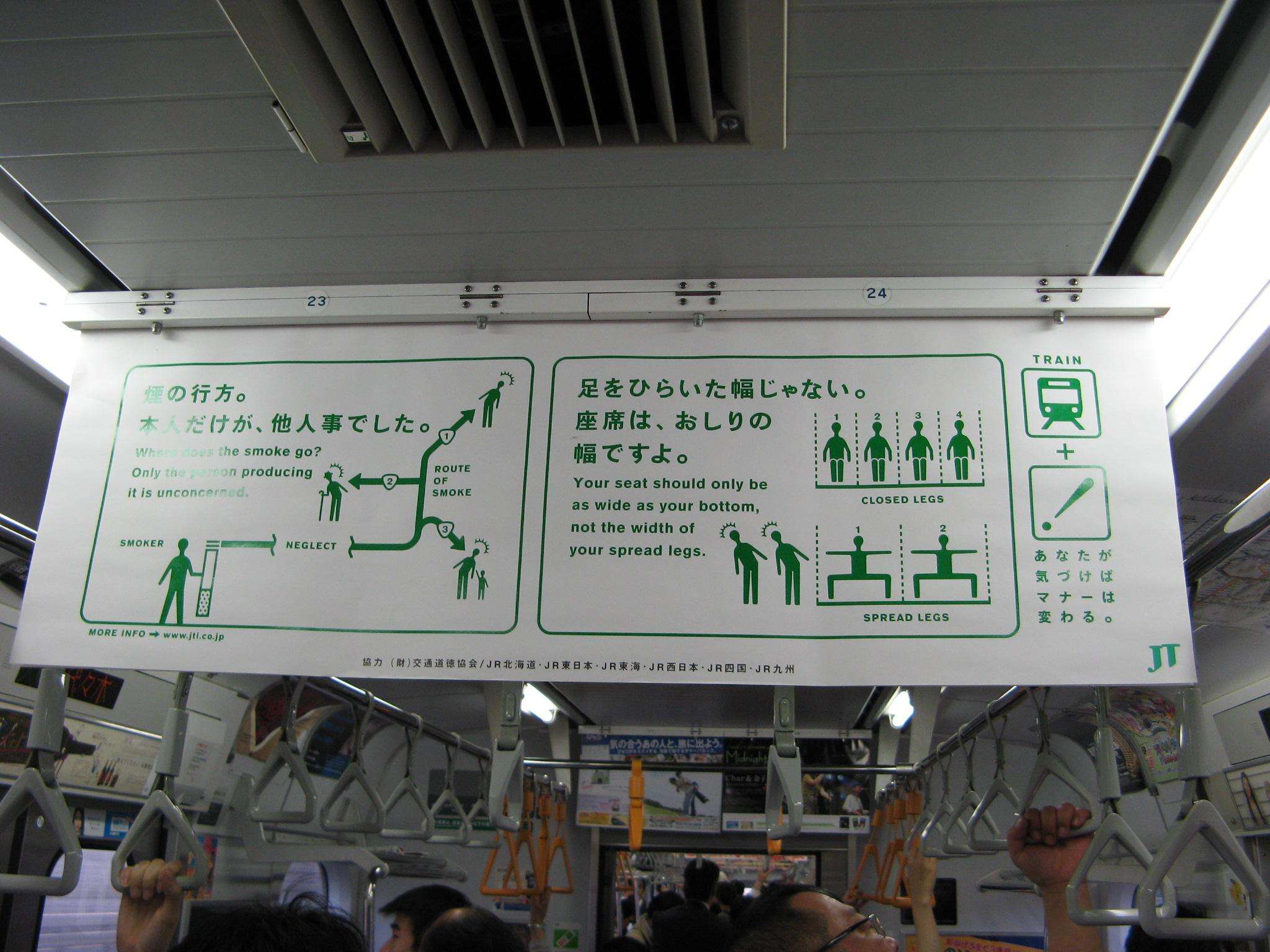
"Your seat should only be as wide as your bottom, not the width of your spread legs."
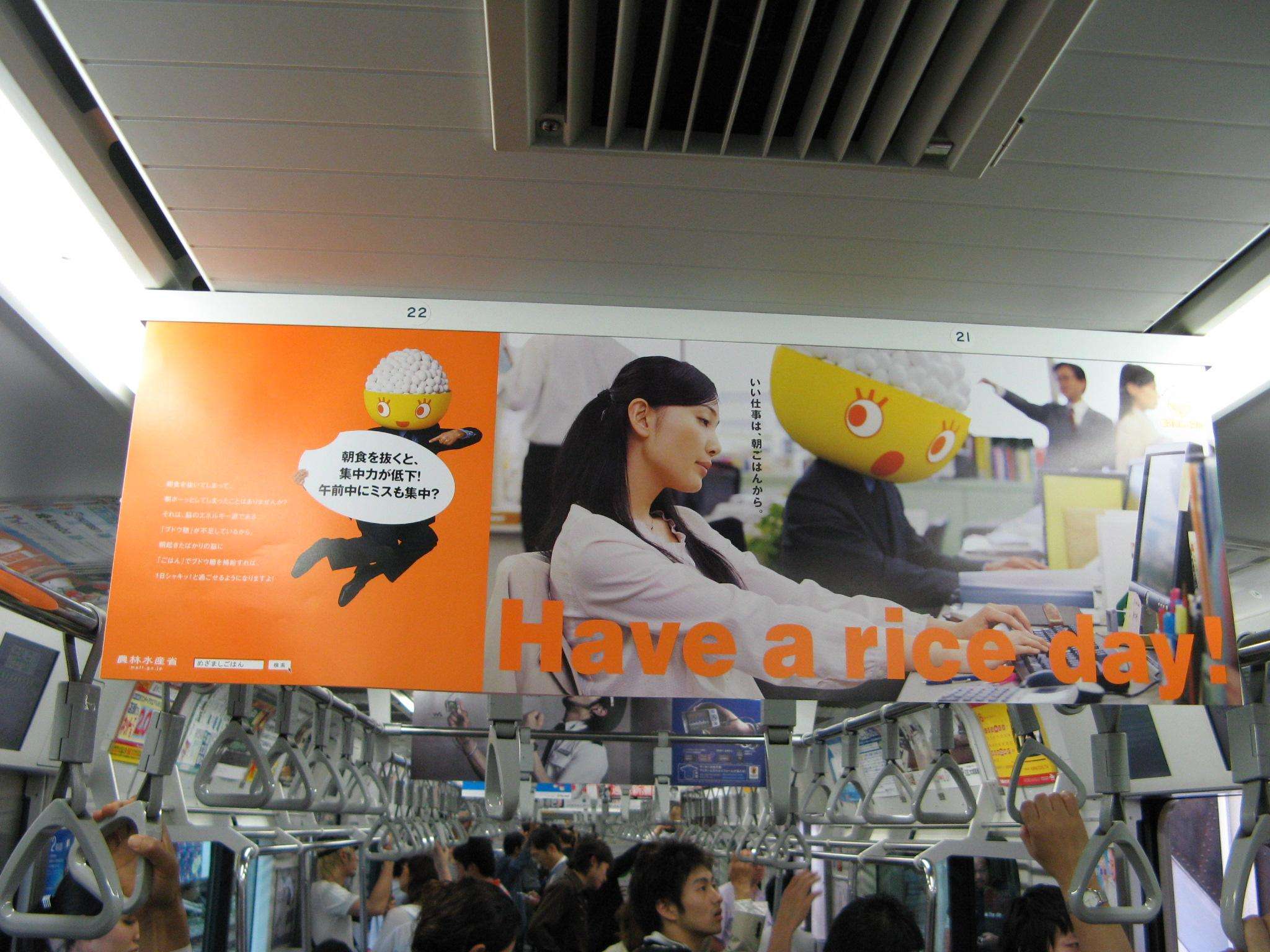
"Have a rice day!"
GAH. This is Japan, why do you need to encourage rice consumption?!
Post ID: 6125868170149958965
Subscribe to:
Posts (Atom)


