L'origine de Bert

Get email updates of new posts:        (Delivered by FeedBurner)

Showing posts with label national education. Show all posts

Monday, February 27, 2023

National Education lessons: Ukraine and Minorities

I have just created the label "national education" to group posts on this subject, before writing my first post on the topic in 8 years:

Ukraine has a population of 43.8 million. 17.3% of the population identifies as ethnic Russian, and they are more represented in the East and are even the majority in the Crimea.

Not coincidentally, the Crimea is the first part of Ukraine that Putin invaded, in 2014, and Russia is currently holding many of the Eastern parts of Ukraine and has formally annexed four of them.

Indeed, Putin explicitly said that he invaded in 2022 to protect ethnic Russians and/or Russian citizens from genocide.

So the lesson we can learn here is that it's dangerous to have a large ethnic minority population if you're next door to a bigger country since they may use that as a pretext to invade.

Sunday, February 26, 2023

Social studies and citizenship for participation in Singapore: how one state seeks to influence its citizens

Social studies and citizenship for participation in Singapore: how one state seeks to influence its citizens

"Lee Kuan Yew (1966), the patriarch of Singapore, once said:

The two factors in the formative influences of a young man or a young woman's life are the home and the school. We cannot do very much about the home, but we can do something about the school. (n.p.)

... In its broadest sense, social studies education aims to prepare students for active participation in society. One of the key traditions in social studies, long argued by many (Barr et al., 1977, Ross, 2001; Ochoa-Becker, 2007) is the preparation of good citizens. In Singapore, social studies seeks to develop in young people confidence and the motivation to ‘adopt a more participative role in shaping Singapore's destiny in the 21st century' (MOE, 2001, p. 3). In what follows, I examine how social studies develops students for their role as citizens. Specifically, I address the nature of social studies, the conception of citizenship, and ask if students are respected as ‘citizens' or are treated as ‘subjects' (Wringe, 1992; Faulks, 2000; Pike, 2007).

Most conceptions of citizenship contain a few key elements, including the notion of participation in public life, the idea that a citizen is one who both governs and is governed, a sense of identity, an acceptance of societal values, and rights and responsibilities. The exact nature of each of these components, however, will vary depending on the political system of which they form part. This gives rise to very different understandings of what citizenship entails. Consequently, beliefs about participation will also differ (Turner, 1993; Faulks, 20005 Heater, 20043 Osler & Starkey, 20055 Halstead & Pike, 2006). For example, Kennedy (2007) argues that what is meant in Singapore by participation is not the same in England. While both governments encourage participation and involvement on the part of citizens, in Singapore this does not run to fully-fledged oppositional politics.

Unlike subjects, Whose status implies hierarchy and domination, citizens formally enjoy legitimate and equal membership of a society (Marshall, 1950; van Gunsteren, 1994; Faulks, 2000). This status acknowledges the individual's contribution to the community, and grants him/her autonomy through the rights he/she possesses, to express his/her agency. To be a citizen in this sense is to be able to take an active part in controlling one's own destiny (Wringe, 1992; Faulks, 2000)...

Discussions about citizenship usually focus on three approaches: the liberal individualist, communitarian and civic republican...

The underlying cause for NE is that the Singaporean nation-building project is at a crossroads. The government recognises that globalisation and the changing economy ‘will strain the loyalties and attachments of young Singaporeans' (Gopinathan, 2007, p. 61). The developmental state model in which the state was a key economic player succeeded brilliantly, and arguably this became the source of the govemment's political legitimacy. With globalisation, the government realises it cannot guarantee sustained prosperity. Simultaneously, local demography has evolved with a growing young, affluent, mobile and educated middle class with diverse needs and aspirations, who want greater freedom and individual choice. Political leaders are concerned that young people might be pulled into allegiances that challenge the hold of the nation-state. They worry that many ‘will pack their bags and take flight when our country runs into a little storm' (Goh, 2001)...

As a conduit of NE, social studies is carefully planned by the MoE, with clearly delineated objectives to culturally reproduce the ruling party's View of the good society. The MOE creates the national curriculum framework, produces the detailed syllabus, and authors the social studies textbooks used by all students. According to the syllabus (MoE, 2001, p. 3), the subject focuses on ‘issues pertaining to the historical, economic and social development of Singapore', and addresses ‘regional and international issues which can or may affect the development of Singapore'...

The desired outcome of social studies is for pupils to be ‘more informed about Singapore's achievements and limitations and have confidence in her future' (MoE, 2001 , p. 3)... In an earlier study conducted (Baildon & Sim, 2009), it was found that the local ideological and political contexts constrain the range of teaching and learning possibilities available to teachers and students...

The social studies curriculum utilises national myths to promote ‘a deep sense of shared destiny and national identity' (MOE, 2008, p. 3). For example, the syllabus highlights certain key traumatic episodes such as the racial riots of the 1950s and 1960s between the Chinese and the Malays. Stories of national achievement, such as the rapid development of the Singapore economy under the PAP government, are constantly given prominence.

These values and beliefs often go unquestioned, as they are portrayed as commonsensical in a nation perceived to be profoundly vulnerable. Citizens are frequently told there is no room for dissent, or it can ‘plunge the country into civil strife' (Bell, 2006, p. 55) and risks oblivion. This narrative is constructed to socialise students into ideological consensus. It fosters allegiance to a specific way of life, and a particular View of good citizenship as a tightly organised and highly disciplined citizenry, all pulling in the same direction with a sense of public spiritedness and self-sacrifice in the national interest, adopting the moral attitude of putting the national community above oneself (Chua, 1995). This raises complex questions that will be discussed in the next section.

Notably, the Singapore government initiated NE and social studies in the absence of any real crisis by which the citizenry is often tested and nations are built. The timing of the launch of NE and social studies coincided with an intense worldwide interest in citizenship in response to globalisation. A critical reading suggests that NE and social studies are attempts by the political leaders to maintain power in contexts in which that power is increasingly challenged by globalisation...

Individual rights are barely mentioned, they form what Eisner (2002) describes as the ‘null curriculum'. This raises the question of whether the intent of social studies is to develop citizens, whose possession of rights implies agency (Faulks, 2000), or to train ‘serviceable subject[s]' (Wringe, 1992, p. 31). Reference to the individual is made only in the context of the nation, evident in the themes (see Table 1) that are nation-centred, and from which citizenship is understood. Citizenship is seen in service to the nation. The discourse emphasises responsibilities and duties, loyalty and patriotism, submission of individual interests to the common good, and contributions citizens can make to the country. The value ‘commitment', for example, is emphasised in four out of the six themes. The committed citizen, it is believed, will not flinch from performing his/her duties nor endanger the unity of the nation.

This view is supported by Hill and Lian (1995) who highlight that since the early years of independence, the government has appealed to the individual's sense of civic duty by referring to the ‘crises' in which Singapore found itself, reminding citizens of the role they should play in ensuring the country's survival. Indeed, the ideas of vulnerability and survival structure the reasoning and rationalisation of social studies, with the themes and guiding questions revolving around challenges and crises. In what follows, I argue that the conception of citizenship is fraught with assumptions and contradictions, and I draw upon the notion of common good to illustrate this...

A feature of the civic republican tradition is an emphasis on the pursuit of the common good (Oldfield, 1990). In social studies, the common good is narrowly defined in terms of national interests...

In ‘Understanding Governance', the British welfare system was used as a contrasting example to reinforce the message that the welfare state is financially burdensome, saps the will to be self-reliant, and threatens the nation's economy, and it is believed, survival of the nation. National interests are not to be questioned.

According to then Prime Minister Goh Chok Tong and then Deputy Prime Minister Lee Hsien Loong, knowledge of our national interests must become ‘part of the cultural DNA which makes us Singaporeans' (Lee, 1997, n.p.), and we ‘must systematically transmit these instincts and attitudes to succeeding cohorts' (Goh, 1996, n.p.). The social studies curriculum is prescriptive, directing students on how to think about national issues. The belief is that education should achieve national goals, with the government defining the role and purposes to ensure the goals and values are maintained.

However, the common good involves values, and values are contested (Williams, 1995). In multiracial Singapore, different people will have different ideas about what constitutes ‘the good life'. This becomes problematic...

The social studies textbook also states, ‘Singapore practices representative democracy. This means that the leaders in the government are chosen by the people in an election' (MOE, 2007, p. 26). Political participation is narrowly understood as voting. As written, ‘the people have the power and responsibility to choose the right leaders for Singapore. How else can the people be involved in decision-making other than choosing the right leaders?' (p. 26). However, electoral participation is arguably problematic. The PAP government has developed a tight system of political control that allows few opportunities for dissent to maintain the social order (Ho, 2000). Power is overwhelmingly in the hands of the PAP, opposition parties are inconsequential, and civil society is weak. Lee Hsien Loong reiterated the irrelevance of opposition, claiming that without opposition distractions, the government can focus on long-term issues and act in time to tackle challenges ahead (Chua, 1995).

The ideal citizen participates by supporting and co-operating with the government. The theme ‘Conflict in Multi-Ethnic Societies' reinforces this with photographs of Singaporeans participating in government-led activities. According to Lee Hsien Loong (1985, pp. 40—41), the people should have faith that ‘the government has the welfare of the people at heart, and can be entrusted with the solution of the most far reaching problems of the people'. He attributes the success of Singapore to the ‘strong ties between the leaders and the led'. Similarly, the social studies textbooks give many examples of how the government takes care of the people, such as organizing activities to enhance interracial understanding, programmes for senior citizens, and providing affordable healthcare.

The Singapore government is concerned about the kinds of participation appropriate for citizens. Political participation by which civic republican thought places the greatest emphasis on is problematic in Singapore. In the 2003 review of the social studies syllabus, the topic on Switzerland was removed. The official reason was to reduce the content of an otherwise heavy curriculum. The real concern, I argue, is that students have been introduced to the idea of direct democracy and its processes such as the referendum, initiative and power sharing. These forms of participation are deemed inappropriate for Singaporeans. Similarly, political leaders also believe there should be limits placed on the kinds of topic that can be discussed, and the manner in which this should be conducted. These have been attributed to the delicate balance in race relations that may be disrupted with insensitive handling of ethnic or religious issues. Such limits are necessary to ensure social and political stability on which economic success and, it is believed, survival, depend. The examples of Sri Lanka and Northern Ireland emphasise this message.

The social studies textbook also explains the ‘need to create communication channels' (MOE, 2007, p. 26). The government is seen to be open to engaging citizens in national issues. Examples show efforts at engaging a range of Singaporeans to discuss issues in the Singapore 21 and Remaking Singapore initiatives in 1997 and 2002. The Feedback Unit was set up in 1985 as part of a more consultative government. Citizens are encouraged to voice their opinions in the national newspaper. While these channels allow citizens to give feedback and suggestions, they are attempts by the government to ‘direct' dissent and dissatisfaction through institutions that either the state controlled or had the potential to depoliticise policy debate (Chua, 1995). For example, the Feedback Unit, headed by PAP members of parliament, was created as a result of the PAP's frustration at winning a smaller share of the popular vote than expected at the 1984 General Election. Consequently, ‘feedback' is designed not so much to replace a top-down mode of rule, but to manage dissenting voices.

Opportunities for participation are limited, and views are frequently expressed from the standpoint of petitioner, rather than a position of agency. Participation is encouraged without allowing it to have policy and political consequences. There is an underlying ambiguity in what is implied by national interests, for this is often subjected to the regime that rules the country. There is no basis to assume that national interests always reflect the interests of the citizenry...

The social studies curriculum tends to regard the government rather than the people as both the apex and the centre. While the themes in the syllabus are nation—centred, the narrative in the textbooks emphasises the achievements of the PAP government. The relationship between the people and the government is one of imposing a decision on the people by a "‘father knows best" leadership, hence it is authoritarian in nature' (Chua, 1995, p. 204). The people are like subjects, whose loyalties are shown in their support of government initiatives, and are reciprocated by protection and provision.

While citizenship is addressed in the curriculum, it is fraught with contradictions. Citizen participation is gestural, circumscribed by the discourse and practices of existing ideological framework (Cornwall, 2005). For the government, participation is the practising of consensual politics, the mobilisation of support for administrative and policy reforms, and in providing feedback so that it can fine-tune policy initiatives (Ho, 2000). This trivialises citizen participation, reinforcing the government's control of its citizens (Wringe, 1992; Faulks, 2000). Hence, social studies is about the attempts by the government to maintain power in increasingly challenged contexts rather than a concern for better educating young people as citizens...

As we saw, this led to a push for uncritical, and often universal acceptance of ideas in social studies. The content selected for the textbooks narrows and limits possible understandings through the promotion Of single, unassailable views, which serves to socialise students into accepting and reproducing the status quo. This is ironic because the syllabus states that the aim of social studies is to develop ‘well-informed, responsible citizens with a sense of national identity and a global perspective', who are able to ‘envisage possible and preferred. futures and evaluate alternatives' (MOE, 2008, pp. 3—4)."

What do you do if some aims of social studies (e.g. "develop thinking and process skills") conflict with others (e.g. 'have confidence in [Singapore's] future')?

Tuesday, May 05, 2015

National Education lesson: Censorship

Another Social Studies lesson that Singapore can learn from other countries:


"That Mussolini considered the control of the press to be a major priority was hardly surprising, in view of his own experience as a newspaper editor. Early measures included the suppression of many papers by the exceptional decrees of 1926 and, in 1928, the compulsory registration of all journalists with the Fascist Journalist Association. The press office under Rossi controlled news and censorship. The process was extended in the early 1930s when the press office came under the control of Polverelli. He increased the control over individual journalists and was responsible for the development of the cult of the Duce in the press. He managed to exert effective control over what was published; in difficult cases the government called upon the local prefects to enforce its decisions. Further changes were made when Ciano established the Ministry for Press and Propaganda - another example of radicalization for the purpose of presenting the Ethiopian campaign in the most positive way. By and large, Mussolini's regime of journalism was more successful than most other elements of the totalitarian state. There was, however, a price: constant distortion of the facts about Italy's record in her three wars led eventually to the entire government being misinformed. Mussolini, in particular, lost all contact with reality, even though - or because - he spent several hours each day reading the newspapers."

--- European Dictatorships 1918–1945 / Stephen J. Lee


Regulation of the press (and state writing of history) leads to the government losing touch with reality and being misinformed.


More:

National Education lesson: Fifth Columns

Sunday, September 02, 2012

National Education lesson: Fifth Columns

"A lie told often enough becomes the truth." - Lenin

***

According to the COMBINED HUMANITIES O LEVEL SOCIAL STUDIES SYLLABUS (2012) (Paper 2192), we must "learn from the experiences of other countries to build and sustain a politically viable, socially cohesive and economically vibrant Singapore".

We learn this as we "study the past through varied socio-cultural perspectives over time and space, and understand its relevance to the present through lessons learnt"

Unfortunately, I (and others of my generation) were unable to benefit from Social Studies in our time in school. To remedy this, I have been studying National Education on my own and have shared the lessons I have learnt on my blog for the edification of all.

Previously, we have learnt many National Education lessons:

- One always has to be critical about what one learns in school, as it might be designed to impart political ideologies
- Venice declined because it abused its position
- Singapore should ban football
- Ultra-nationalism and indoctrination in school leads to an aggressive foreign policy and ruinous wars

We also learnt many other lessons from the NKF scandal.


Recently I came across another historical tidbit, dating back to 1211 and the Mongol Invasion of China:

"While the main force of the Chin army was concentrated around the capital facing north, 120 miles further west Genghis and the main body of the Mongol army had crossed the Great Wall without firing a shot. This section of the wall was guarded not by Chinese troops, but by Onguts, ethnic relatives to the Mongols whom the Mongol intelligence service had cultivated for years as possible allies. Faced with the choice of remaining loyal to the Chin and having to do battle with a huge Mongol army or going over to the Mongols, the Onguts changed sides and allowed the Mongols to pass through the western battlements unhindered. Farther to the east, Subotai broke contact, pull back from the wall, and disappeared.

The Chinese generals had been caught badly out of position... Attacked from four directions, the huge Chin army was annihilated at the battle of Shansi. The entire province lay open before the Mongols"

--- Genghis Khan's Greatest General: Subotai the Valiant / Richard A. Gabriel


So the lesson we learn from this historical episode is to be careful who we trust: ethnic minorities could betray us at a critical moment.

(If you don't get that, read the first National Education lesson in the list above again)

Sunday, June 05, 2011

Links - 5th June 2011

"No human thing is of serious importance." - Plato

***

China used prisoners in lucrative internet gaming work

Clashes in Barcelona after Champions League win - "Around 90 people were injured, at least two of them seriously, as bottles were thrown and scuffles broke out. Around 20 people were arrested."
Following National Education rhetoric, Singapore should ban football

Pandaranol | Sushiprod - "[Il] est le thème principal du jeu concours de référencement qui a démarré hier, soit Lundi 23 Mai 2011 à 19h. Le but de ce concours est simple : créer un site et le positionner sur le terme cité précédemment, c’est à dire pandaranol."
Enfin, j'ai appris qu'est-ce que 'Pandaranol' veut dire

No more Blank Cheque for the PAP « Dr Tan Cheng Bock - "Today, after 25 years of nation-building, there is an erosion in this faith and trust in the Government and this was translated into a 12.5% swing in the last general election... Is this then the ordinary people’s government, or is it a government for a special breed of men?... Mr Speaker, Sir, the angry mood of the people did not go unnoticed... It is therefore good to find that one of the Government’s new goals will be to pay particular attention to the 15-20% lower income group and the aged... It is easier to please the past generation. Their needs are simple. But times have changed and problems are different today... Singapore watchers saw how our people voted in the last general elections. They have made conclusions"
Considering that this speech is from 1985, it's telling. Plus ça change...

Marital Happiness, Marital Duration, and the U-Shaped Curve: Evidence from a Five-Wave Panel Study - "Previous research suggests a U-shaped pattern of marital happiness over the life course... In an analysis based on a fixed-effects pooled time-series model with multiple-wave panel data, we find declines in marital happiness at all marital durations and no support for an upturn in marital happiness in the later years. The relationship between marital happiness and marital duration is slightly curvilinear, with the steepest declines in marital happiness occurring during the earliest and latest years of marriage. When other life-course variables are controlled, a significant negative effect of marital duration on marital happiness remains"

Advice for Online Daters: If You’re a Guy, Don’t Smile - "Women are turned off by guys who smile, according to a new study published in the American Psychological Association's journal Emotion. Men, however, were most attracted to photos of smiling women, the study found. And both men and women said they were attracted to people with a look of shame"

AndroidSPIN Marital Bliss! Android Style with a Little Harry Potter for Good Luck - "Jon C. Hodgson proposed to his girlfriend of 2 years in a very innovative way that involved their Android phones, Google App Inventor, and a little bit of ingenuity."

You’re No Ansel Adams: MIT Finds Landscape Photos Forgettable - "Photos with people in them are more likely to stick in the viewer’s memory after seeing a series of photos... “That’s hilarious,” says Randy Greenwell, Director of Photography at The Virginian-Pilot. “A machine telling people what is memorable? I’m not ready to trade in my photo editors yet. It takes a human to understand human feelings. And as far as landscapes go, I have two words for you: Ansel Adams.”"
As usual, people blithely dismiss research findings with 'common sense' and anecdotes

The Burning House - "If your house was burning, what would you take with you? It's a conflict between what's practical, valuable and sentimental. What you would take reflects your interests, background and priorities. Think of it as an interview condensed into one question. "

Badminton Dress Code for Women Criticized as Sexist
Meanwhile no one cares about male dress codes

Brazilian Woman Wins Right To Masturbate At Work - "Ana Catarian Bezerra is a 36-year-old Brazilian woman who suffers from a chemical imbalance that triggers severe anxiety and hypersexuality... Ana is allowed to masturbate and watch porn — using her work's computer, no less — legally."
This has interesting implications for discrimination/employment law

SBS’ Official Iris iPhone App and its API - "3rd party clients are being locked out of the SBS Iris API by a stupid captcha. It’s ok, don’t forget that SBS has its official iPhone app, we can take a look at its request packets and see how it communicates with the Iris servers, and use that for our 3rd party clients too"

Students turn back alley into sex den
Malaysia Boleh!

The pros and cons of a man sitting down to pee - The Oatmeal

PLoS ONE: Epidemiology, Quality and Reporting Characteristics of Systematic Reviews of Traditional Chinese Medicine Interventions Published in Chinese Journals - "The impact factors of 45.8% of the journals published in were zero... Funding sources were not reported for any reviews. Most (68.8%) reported information about quality assessment, while less than half (43.6%) reported assessing for publication bias. Statistical mistakes appeared in one-third (29.3%) of reviews and most (91.9%) did not report on conflict of interest"

Is this the inventor of bubble tea? - "[She] was sitting in a staff meeting and had brought with her a typical Taiwanese dessert called fen yuan, a sweetened tapioca pudding. Just for fun she poured the tapioca balls into her Assam iced tea and drank it."

Singaporeans’ political attitudes
According to this Institute of Policy Studies (IPS) survey on Singaporeans’ political attitudes on 1,092 citizens aged 21 years and above in July and August 2010 21.6% strongly agree that "Singapore should have a powerful leader who can run the Government as he thinks fit" (51.6% agree), 26.9% disagree or strongly disagree that "Everyone should be given the freedom to criticise the Government publicly" and 70.1% prize "good economic growth" above freedom of speech (of which 12.8% feel strongly so). And 20% aged 21-39 do not think there is media bias for local political news.
Addendum: Keywords - "Survey on Political Traits and Media Use. Singaporean Youth: Different, but not that different"; "strong leader", IPS, democracy, Singapore

Facebook : le rendez-vous galant était un guet-apens - "Appâté par une jeune fille rencontrée sur Facebook, un Parisien de 17 ans a été torturé toute une nuit durant par trois adolescents apparemment dénués de tout mobile."

A Thing (or Two) About Holly Jean: How to Spot Breast Implants

Delete Your Digital Self: Moddr.net - "It should come as no surprise that Facebook would reply with a letter threatening to sue the Web 2.0 Suicide Machine. After all, Facebook's growth projections and core business depend on getting more and more people to sign up for their service. Encouraging people to leave Facebook–especially if the trend were to catch on–could hurt the company's bottom line... eventually society will condemn the idea of virtual suicide and may even rule it to be illegal"
The thesis (summarised in the last line) is classic journalistic speculation and hysteria

100 million trips, but don't ask us where - "The British have always been among the most travelled nationalities, but it seems our geographical knowledge is no better for it... Among 2,000 holidaymakers[,] Sixty per cent of those interviewed could not accurately place on a map where they had been on holiday last year. A further 38 per cent thought Singapore was in China, 29 per cent believed New Zealand belonged to Australia, and 44 per cent did not know the Alps were in Europe"

Keeping the House in order - "The throngs of newly elected members of the House of Commons preparing to take their seats this week are in for one of life’s more disillusioning experiences — encountering the stark difference between the theory and practice of parliamentary life... MPs consider the least productive, most embarrassing part of the job to be the Question Period follies that by far receive the most public attention... Their most satisfying and productive work, it was frequently said, was in the committees seldom covered by reporters and in caucus deliberations done in secret... “I can remember being told, walking into my first Question Period, ‘Remember, Speaker, this is Question Period not ‘answer period’.”"

How much longer can photographic film hold on? - "Among those who still rely on film _ at least part of the time _ are advanced amateurs and a smattering of professionals who specialize in nature, travel, scientific, documentary, museum, fine art and forensic photography, market surveys show. Regular point-and-shoot adherents who haven't made the switch tend be poorer or older _ 55 and up. But there's also a swelling band of new devotees who grew up in the digital age and may have gotten hooked from spending a magical hour in the darkroom during a high school or college class. Others are simply drawn to its strengths over digital and are even venturing into retro-photo careers."

Merdeka Center poll highlights differences among voter segments - "Older voters give greater weight to party label and party leadership, than to candidates and issues... Women higher satisfaction government... less concerned with issues... less favorable toward opposition parties... see opposition as less credible... less supportive of more opposition seats"
This is no surprise given that women are more risk averse, and it replicates and confirms the long-standing finding that women are more politically apathetic (which is tied to why they are underrepresented in politics)

The Volokh Conspiracy » The Gender Gap in Interest in Politics - "87% of all Wikipedia contributors are male... it’s difficult to attribute the gap to discrimination, since most Wikipedia writers are anonymous, thereby making it virtually impossible for Wikipedia to discriminate against women even if they wanted to... decades of research show that there is a substantial gender gap in political knowledge, with men especially overrepresented among the 5% of the population who follow politics most closely... 25% of men, but only 10% of women report reading at least one nonfiction book on politics over the last year... Younger women today have higher average levels of educational attainment than men, and the Harris poll mentioned above shows that they also read more than men do overall. Thus, the gender gap in political knowledge and interest in politics is likely due to lower interest among women in this particular field... Despite massive changes in public attitudes on women’s role in politics over the last fifty years, the general gap in political knowledge has declined only modestly over time... the vast majority of political bloggers are male, as are about 70–80% of political blog readers"

Monday, September 27, 2010

Venice and its "lesson" for Singapore

"Blame someone else and get on with your life." - Alan Woods

***

One of the case studies students learn in Propaganda (Social Studies) classes is Venice.

Supposedly its Golden Age was in the 15th century, and it lost its position due to "complacency". The intended moral of the story, naturally, is that Singapore cannot afford to be "complacent".

However, not only is putting Venice's decline down to "complacency" typically simplistic in the extreme and self-serving (there were many historical factors resulting in Venice losing its lucrative position), one reason Venice lost its power was that it was abusing it - leading the Spanish and the Portuguese to find alternative trade routes to the East Indies (which resulted in their colonial empires).

So ironically we have a very non-National Education moral for this case study.

Addendum: In other words, Singapore should not be arrogant and bully/look down on other countries.

Monday, December 01, 2008

Japan trip: Day 13 - 18th June - Tokyo (Part 1)

"Your life story would not make a good book. Don't even try." - Fran Lebowitz

***

Japan trip
Day 13 - 18th June - Tokyo
(Part 1)

Traffic light timings in Japan are weird. When the green man starts flashing it is only a short while before he turns red - even I got caught in the middle of the road, what more the old people Japan is filled with? Then again I witnessed the amazing alacrity of the old Japanese folks while catching the train to Koyasan, so presumably they can run if the need presents itself.

Chikan land would be good for HWMNBN since they can't stop talking either.
I woke early to catch the Shinkansen back. Since I was on the JR pass I had to make one stop.


Yakult vending machine. Can you tell what's wrong with this vending machine?

Someone informed me that "Singapore is the only country where Yakult is available in flavors (orange, grape, and apple) other than the original"; I noticed they didn't have non-original flavours in Japan, but didn't know that.

Someone else: "why is the milk brand called mother's?"

Shinkansen crew also bow upon entering/exiting the car.

When I got to Tokyo I entered one of the station's toilets, and saw my first Japanese graffiti:
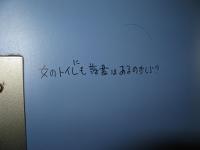

I'd think it's a "Free sex" ad, but there's no phone number.
[Addendum: I am informed that it reads "i wonder if there's also graffiti in the ladies' [toilet]?" HAHAHAHAHAHAHAHAHAHAHAHA]
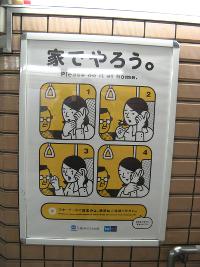

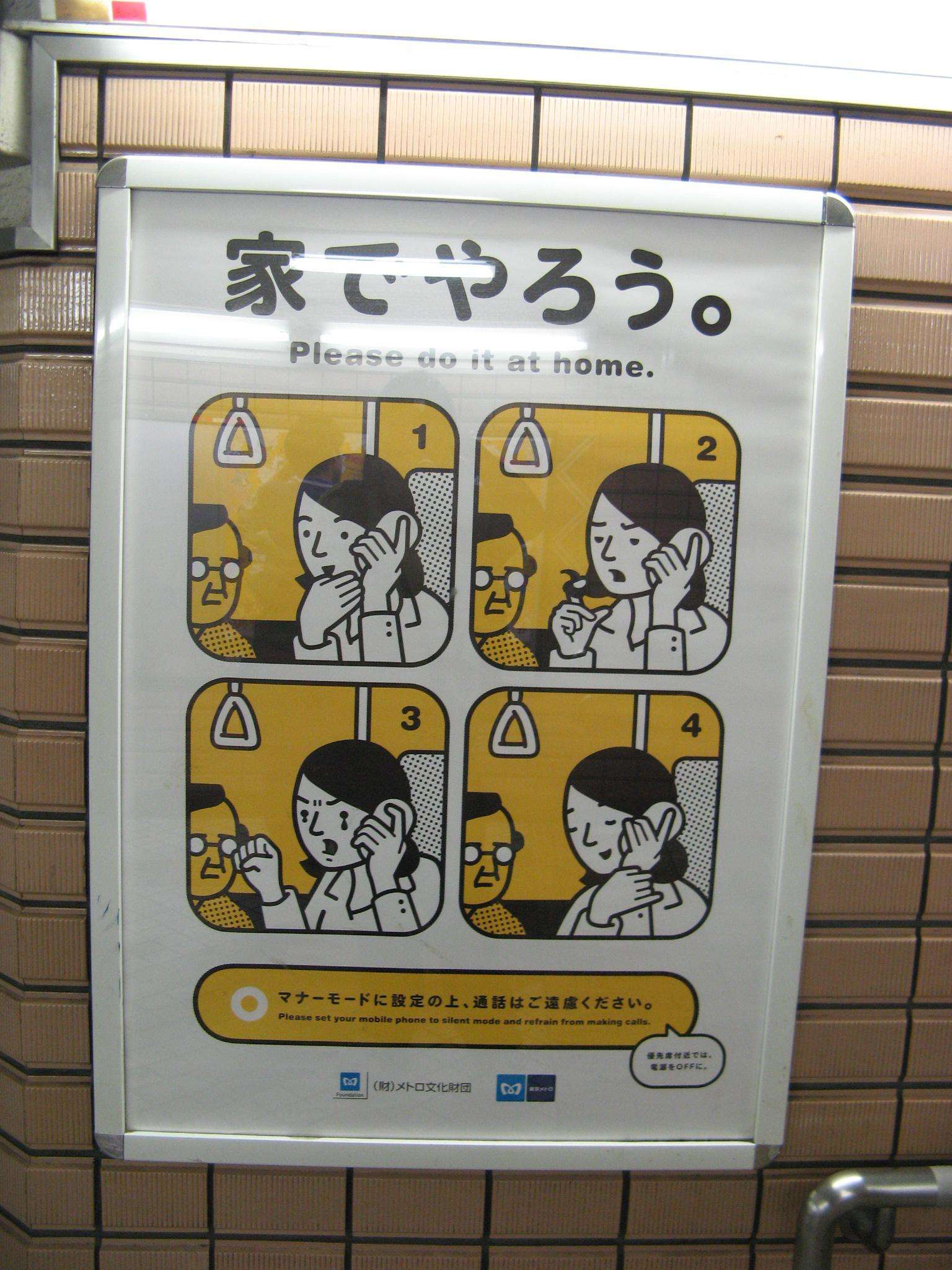
"Please do it at home" - but it's called a MOBILE phone!

I saw Sky Time in a vending machine and was very happy. It being only 2% juice (since I could now read the label) didn't stop me.

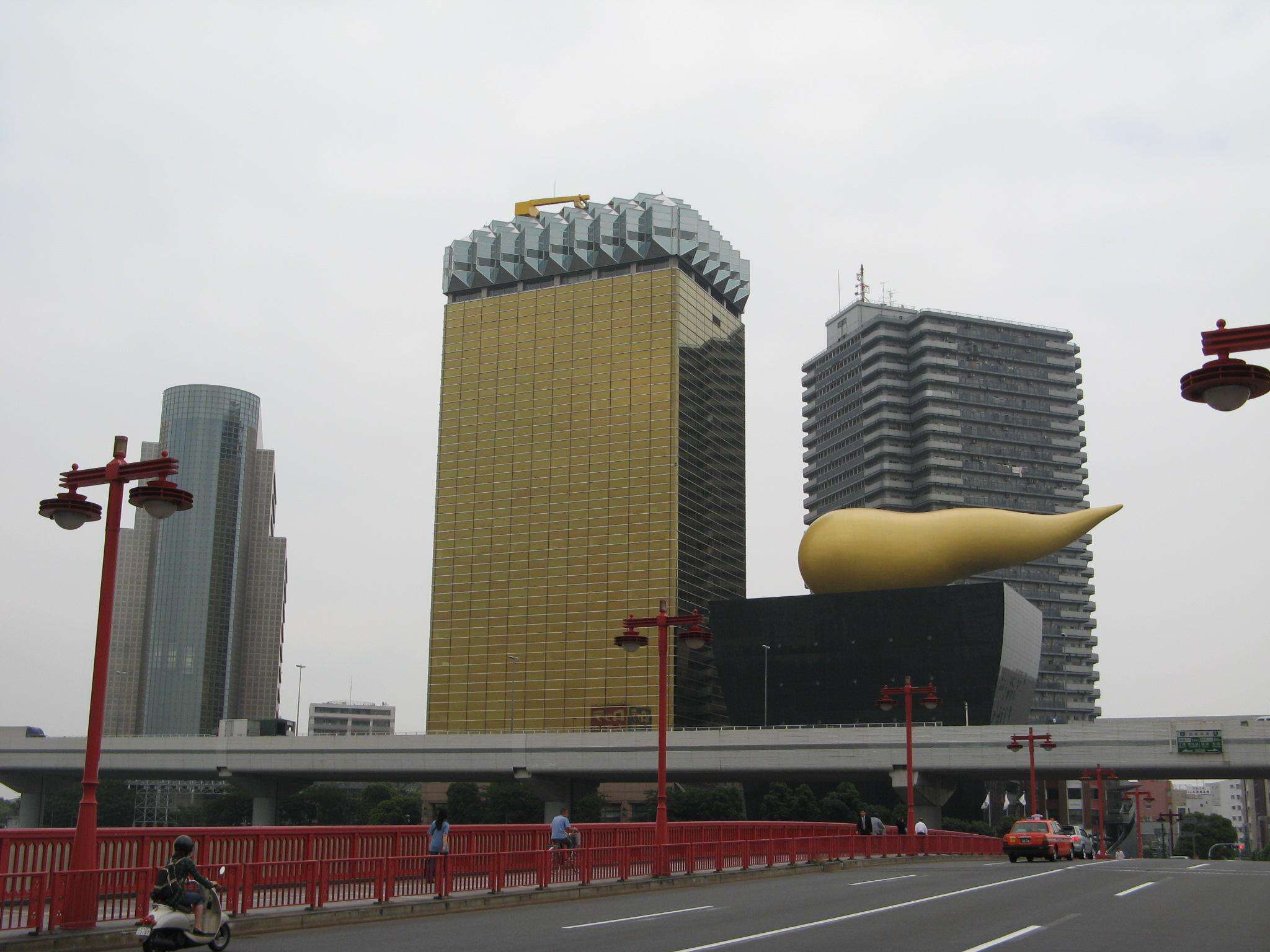
My hostel was in the Asakusa region (but across the river from the busier part). Crossing the bridge, I saw:
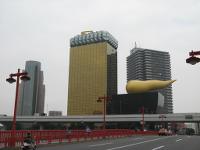
A g
iant golden tadpole (???). IIRC this was a beer company. I don't know what the tadpole symbolised - maybe fertilisation opportunities offered by the beer: a subtle way to increase the birth rate.

The hostel (the most remote Khaosan branch) was quite hard to get to (which was why they told us to print a map) but I navigated the twisting roads and made it there. It has a lot of anal rules which, of course, were promptly ignored (less is more). For example, half the guests' shoes on the shoe rack in the entrance area (since like some Japanese establishments you couldn't wear shoes in) had notices stuck on about them being presumed by the staff to be abandoned and in danger of imminent removal.

Since I had an afternoon left, I tried calling up the 4woods Co.,Ltd ("Manufacturing Inspiring Soulful Love Dolls") as their showroom was in the middle of nowhere and I couldn't figure out the map. Unfortunately, once I got someone able to speak English I found they were closed this week and asked me to return next week (by which time I'd have left Japan already). And I didn't visit at the start of my journey because I got voice mail saying they were closed (or something like that) and I'd already planned my trip. Maybe the next time I visit Chikan land (no, I won't plan a visit just for it, but it's an interesting thing to do)!
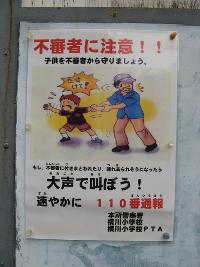

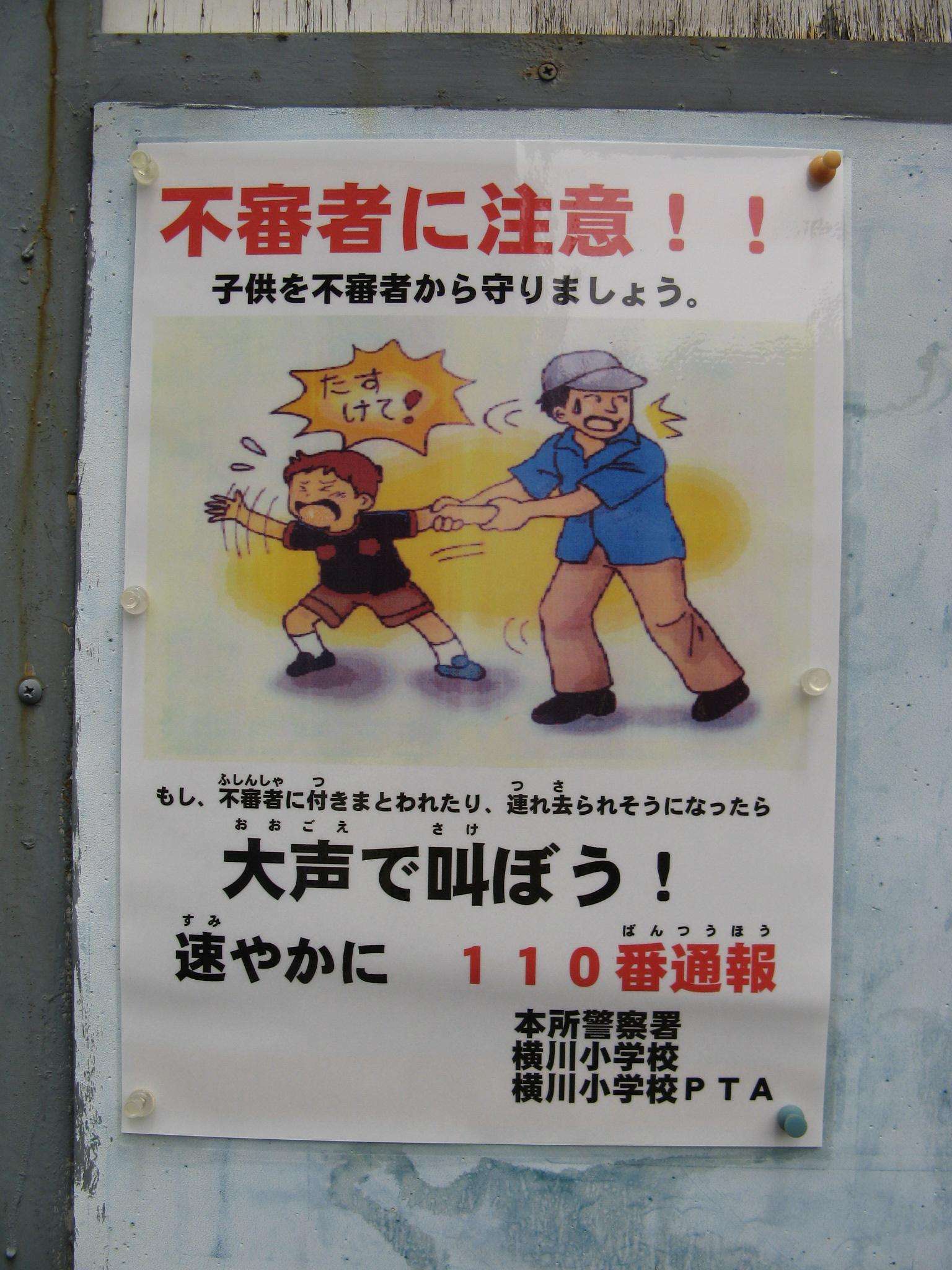
Neighborhood watch: "Don't abduct me"
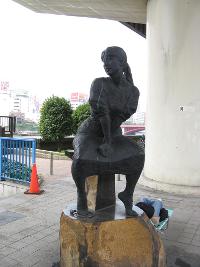

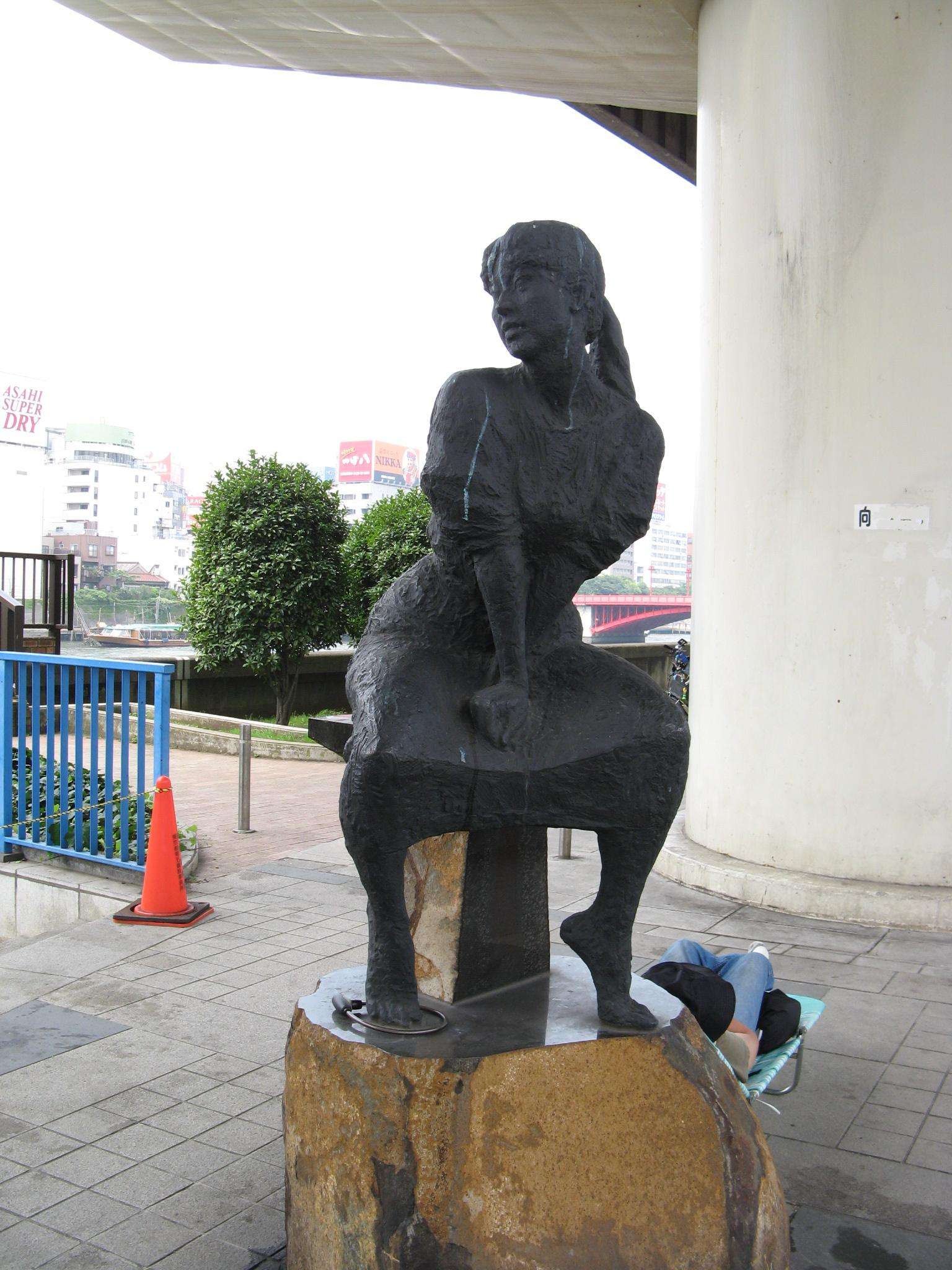
Homeless (?) man sleeping under statue of girl with paint on her


Sci-fi boat

I decided to visit the Edo-Tokyo Museum, a new joint which showcased Tokyo from its days as Edo till post-war reconstruction.

People who were disabled got free entry but had to show "proper identification". Uhh.

The museum's price discrimination was very interesting: they had different prices for those in "university, college and special school", "high school and junior high school (outskirts of Tokyo)" and "junior high school" (for those residing in or going to school in Tokyo). Presumably students not from Tokyo or its outskirts would not want to come, lacking a personal connection to the city (figures! but they seem to have simplified their pricing structure since)

The museum had Y100 lockers - for umbrellas. Uhh.

The museum had an interesting and admirable photo policy: they told you when flash was alright (e.g. for models and not for artefacts), and you couldn't take photos of some things, like costumes by this Japanese designer (who was the first Japanese to enter an international fashion show in London in 1975) which were damn ugly. However I was suffering from a bit of photo fatigue by then (and anyway the museum had interesting information but not so much interesting artefacts - at least ones we were allowed to photograph; there're nice photos on Flickr though).

There was a replica of the famous Nihonbashi bridge from the Edo era, from which all distances in Japan were measured, but I found it impossible to snap. Here're some from people who had more time/energy/technique:
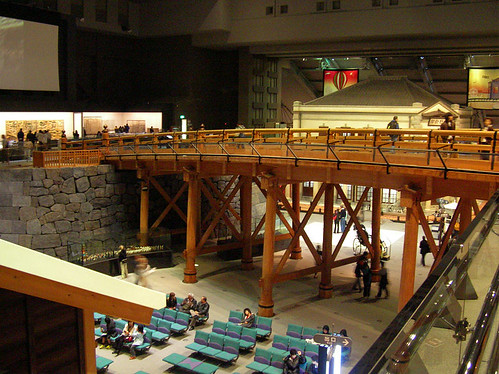
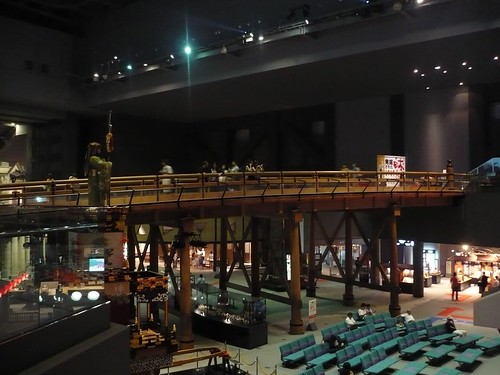
Edo-Tokyo Museum

The old Nihonbashi in the Edo-Tokyo museum

I was lucky enough to get an English-speaking guide, who just before I entered the gallery had departed with a pregnant Japanese lady and her black husband.

During the Edo period the average height of men was 155cm.
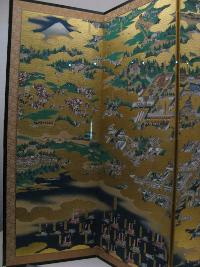
Screen of Edo: this is one of two screens depicting Samurai life, where Tokugawa Iemitsu makes 13 appearances, and each time his name is blancoed out.

Water pumps didn't have enough power so they mainly relied on firebreaks.

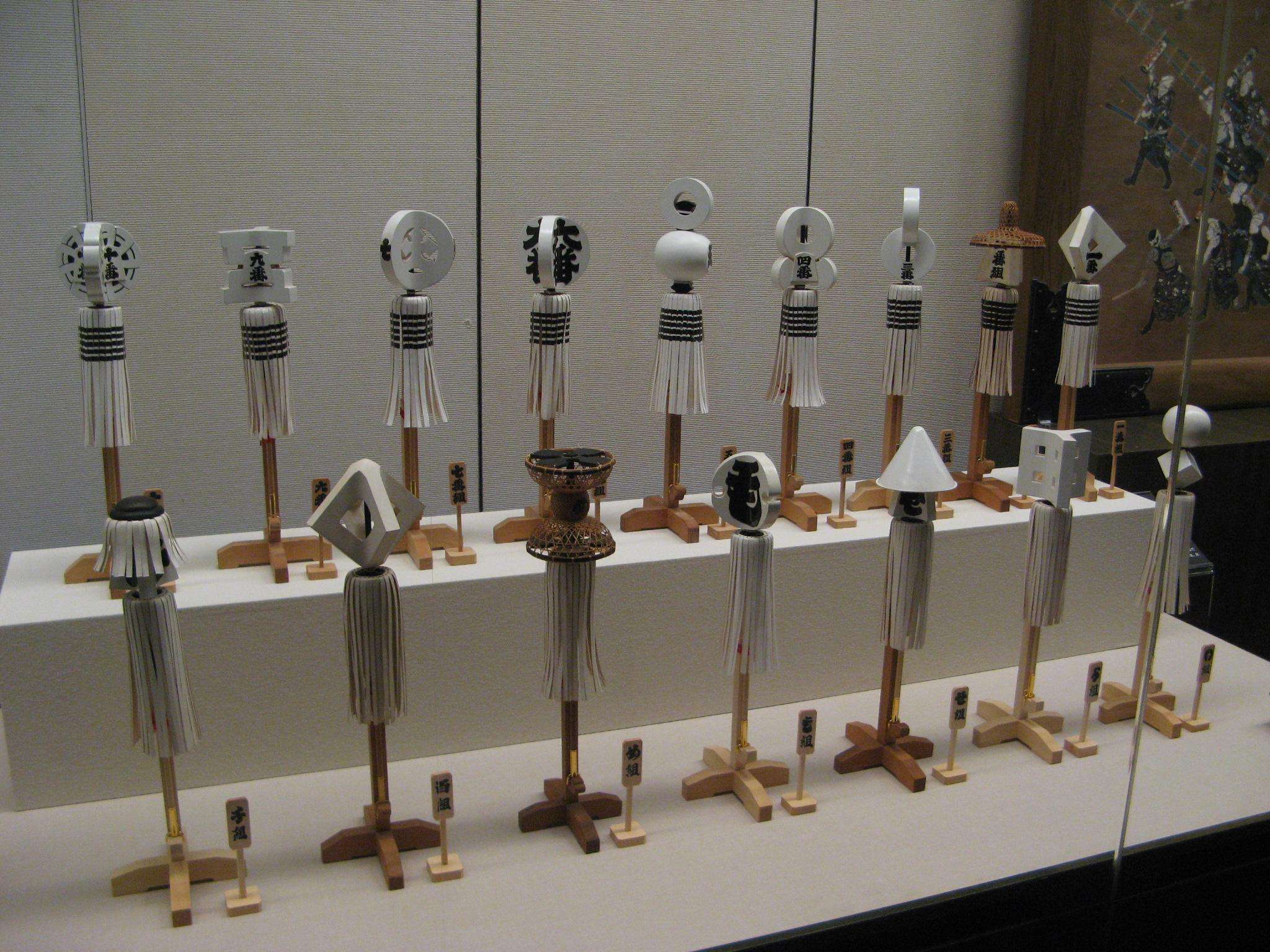
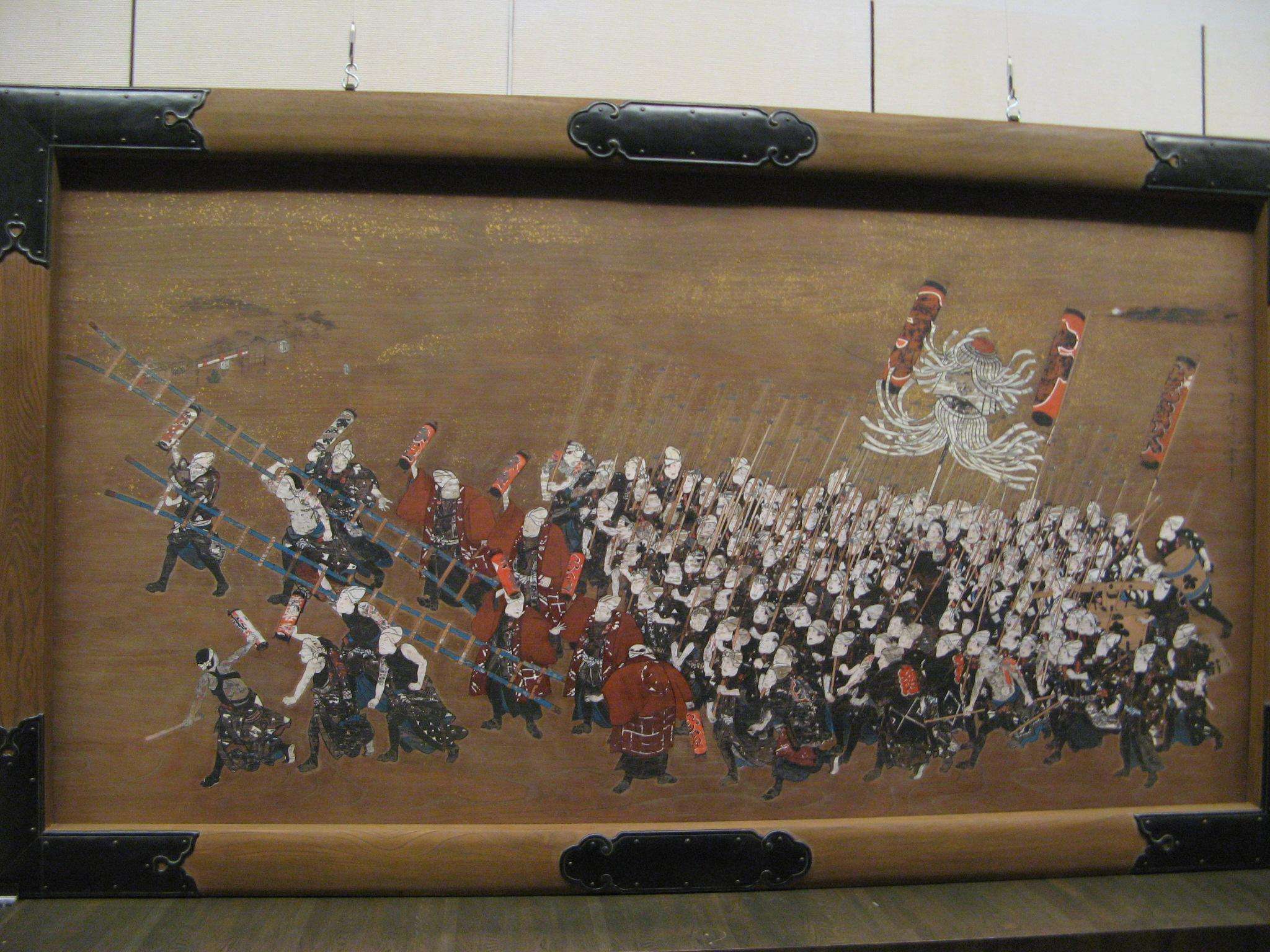
Firefighter jackets could be turned inside-out - they wore one side when fighting the fire and when they extinguished the fire the firefighters turned their jackets inside out to display the much nicer side.
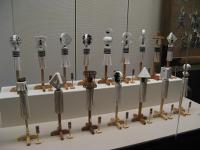

Matoi: firefighting company standards. There was a replica we could lift - it was heavy, but not as bad as I'd feared.
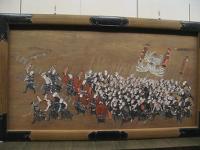
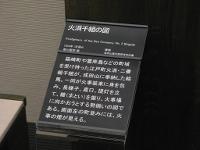
Firefighters of the Sen Company, No. 2 Brigade

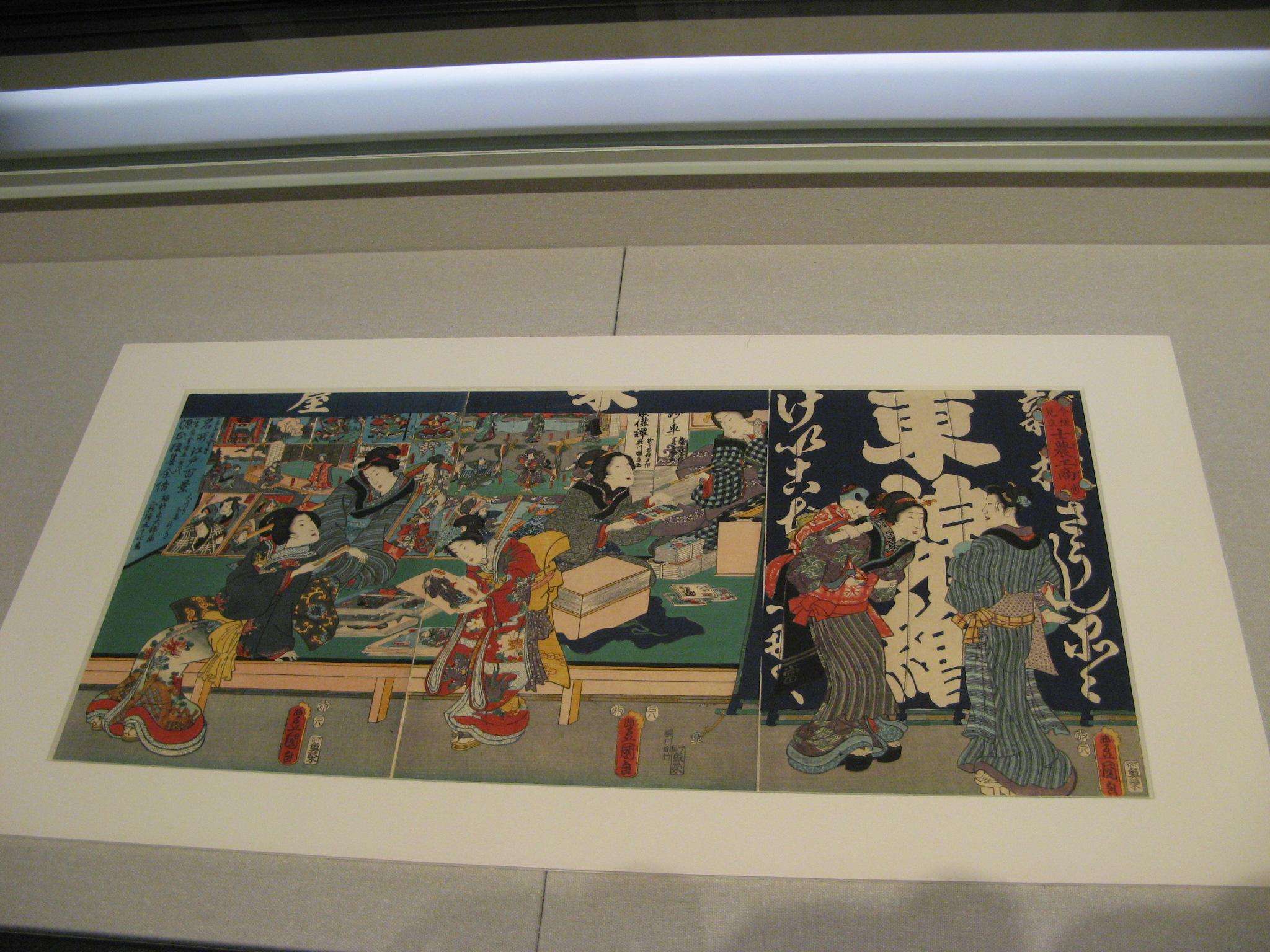
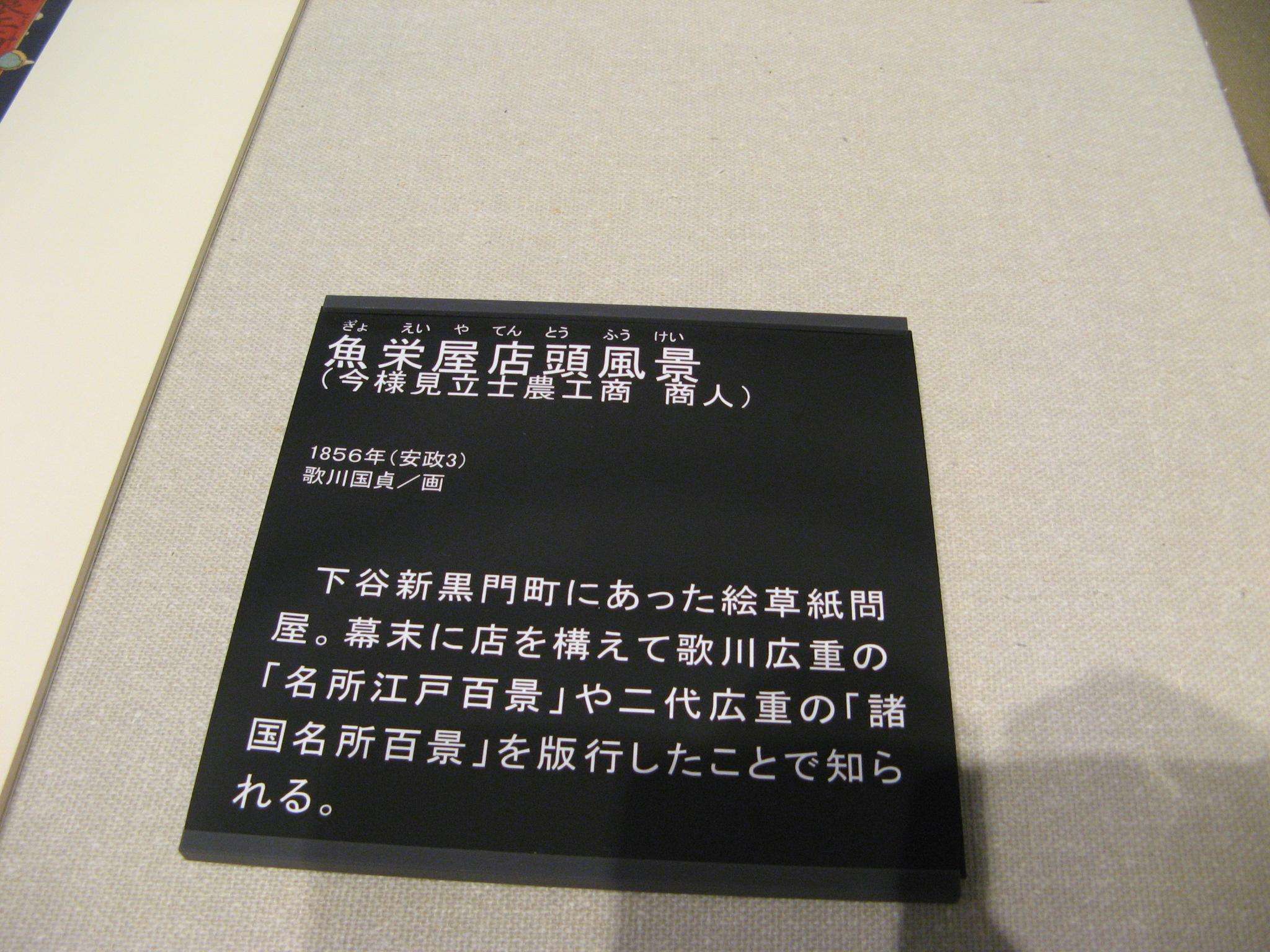
During the Edo period the literacy rate was about 70% due to temple schools. But books were expensive so there were a lot of secondhand bookstores.

The straw band with strips of paper hanging from it that you always see in Shinto shrines represent a sacred place, and it was used to mark family altars as well (we saw one in a reconstructed house).
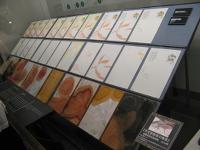

How polychrome woodblock prints work: each block is painted with one colour, and the paper is imprinted many times. Notice the evolution of this print.

A 1887 painting of Van Gogh's imitated Japanese woodblocks. Whistler did the same.
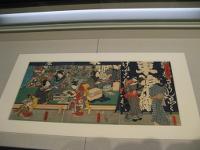

??? woodcut

Japanese go to Shinto shrines for happy occasions like weddings and Buddhist temples for sad ones like funerals. They are indeed very chill about religion.
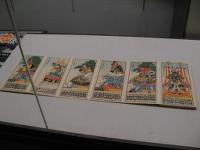
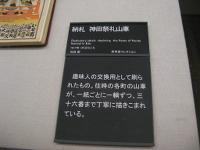
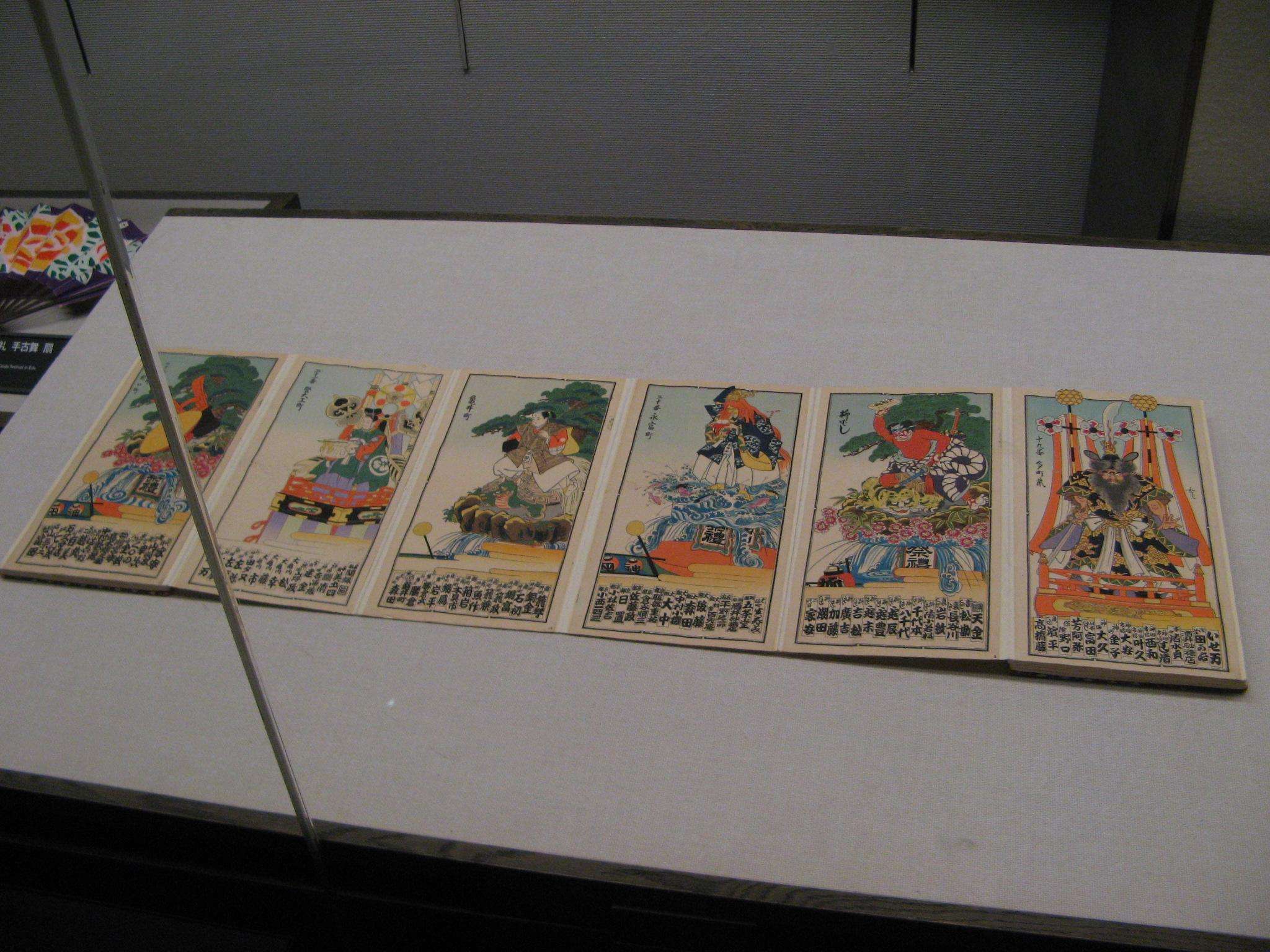
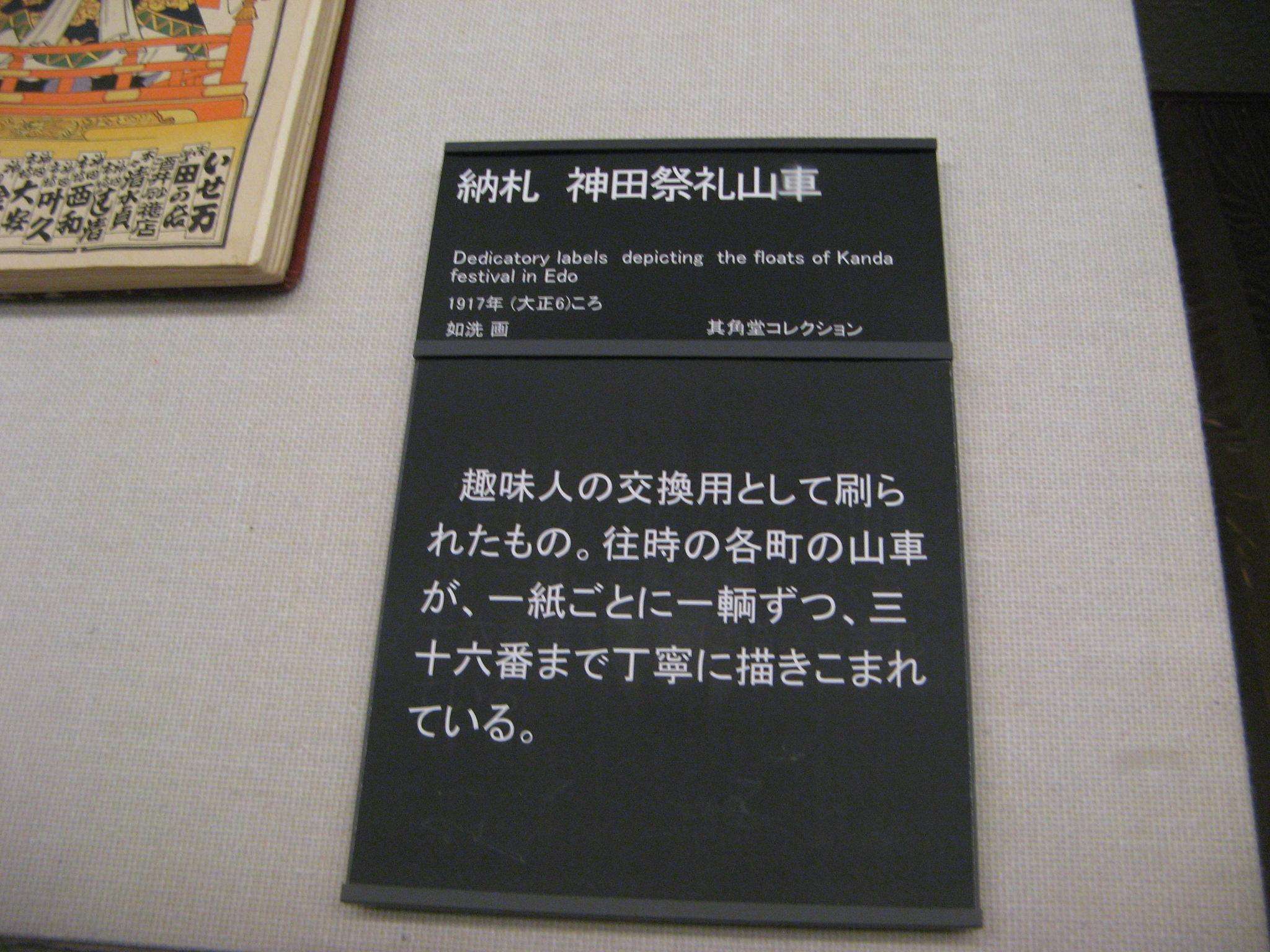
Dedicatory labels depicting the floats of Kanda festival in Edo

Hakushi (the 35 Views of Mt Fuji guy) moved house >90 times. Wth.

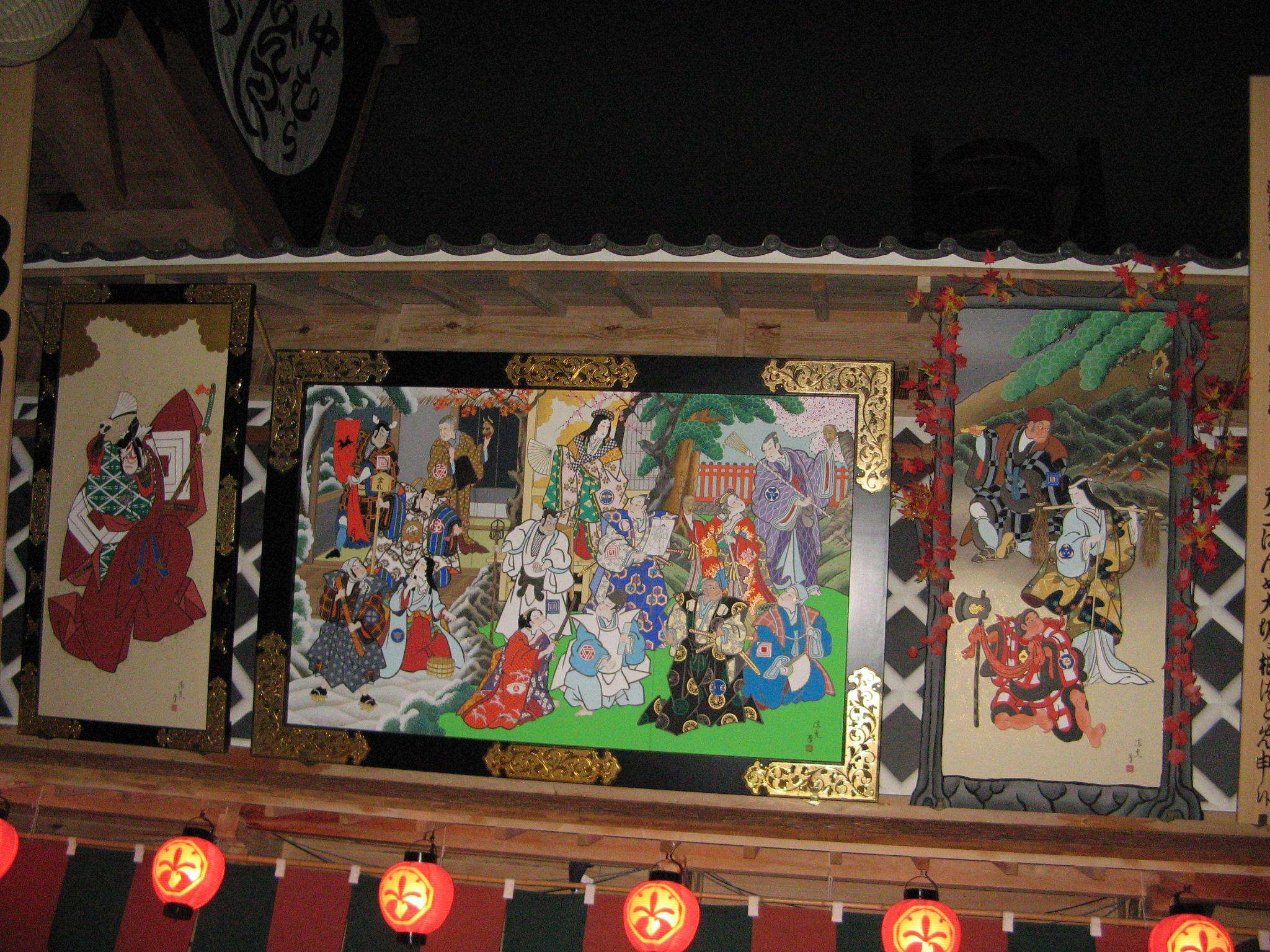
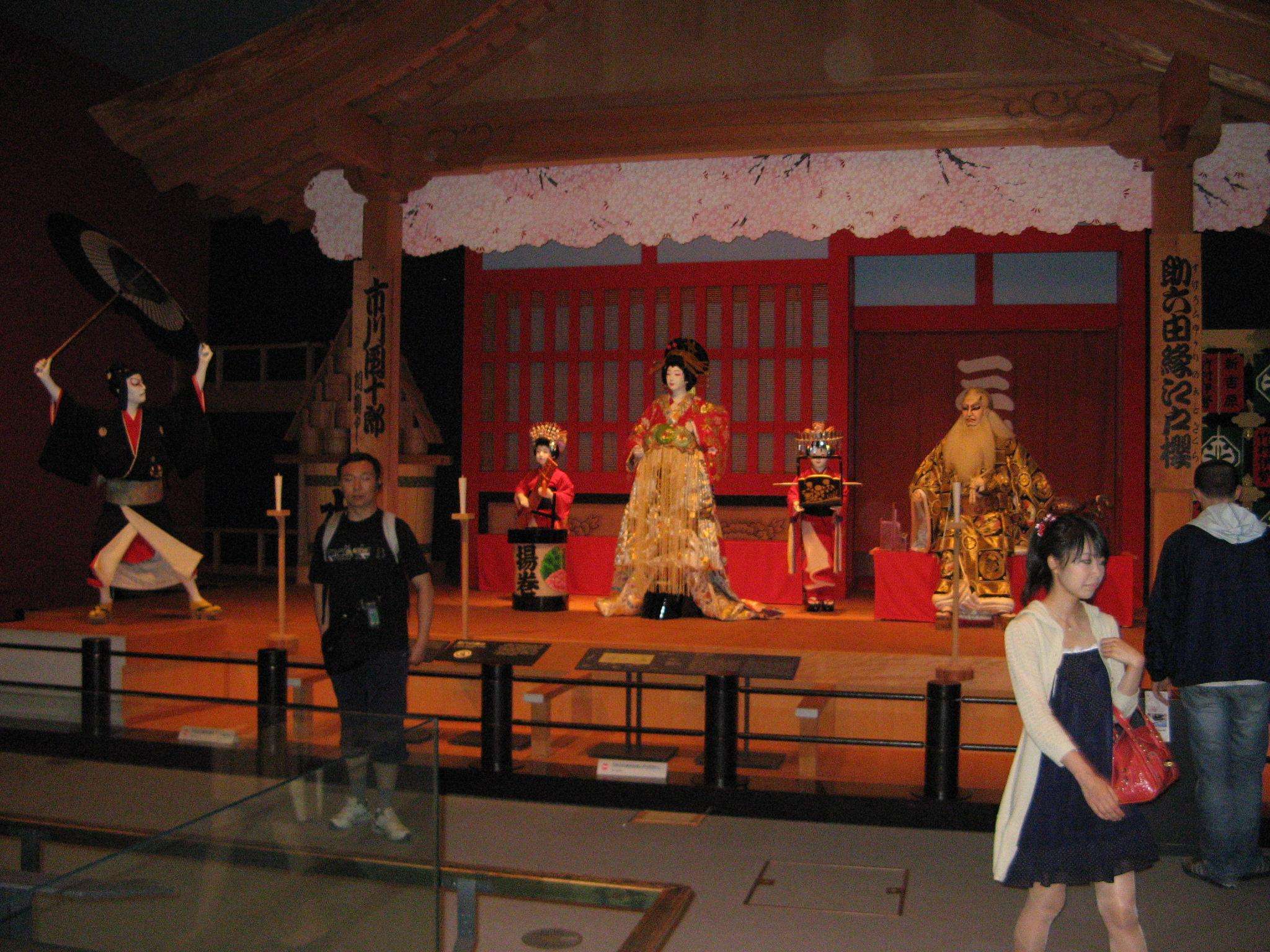
They had a replica of the front of a Kabuki theatre:
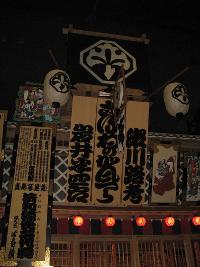

The arrow through the bullseye represents their hope for a "big hit". GAH.

Kabuki had a revolving stage. So hi-tech. And during the Edo period they held performances during noon so they wouldn't need candles, which were a fire risk.
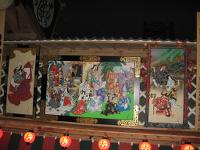
Inside a Kabuki theatre there were no status distinctions (like onsens and sentos). No wonder they were so popular.
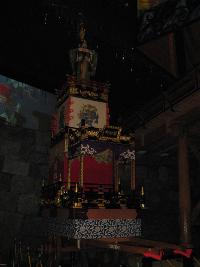
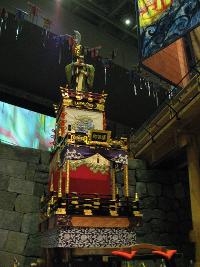
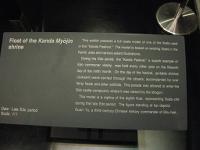
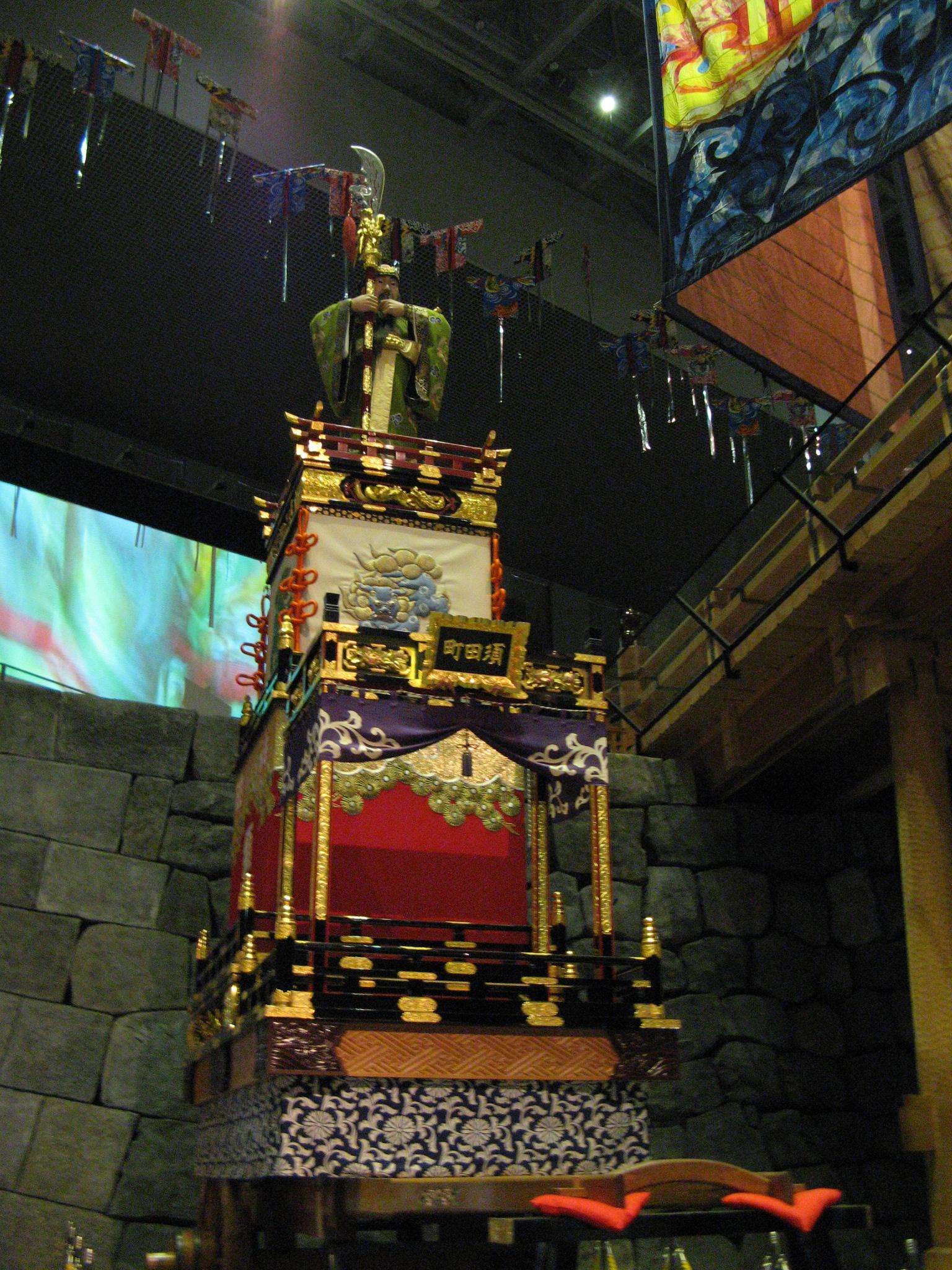
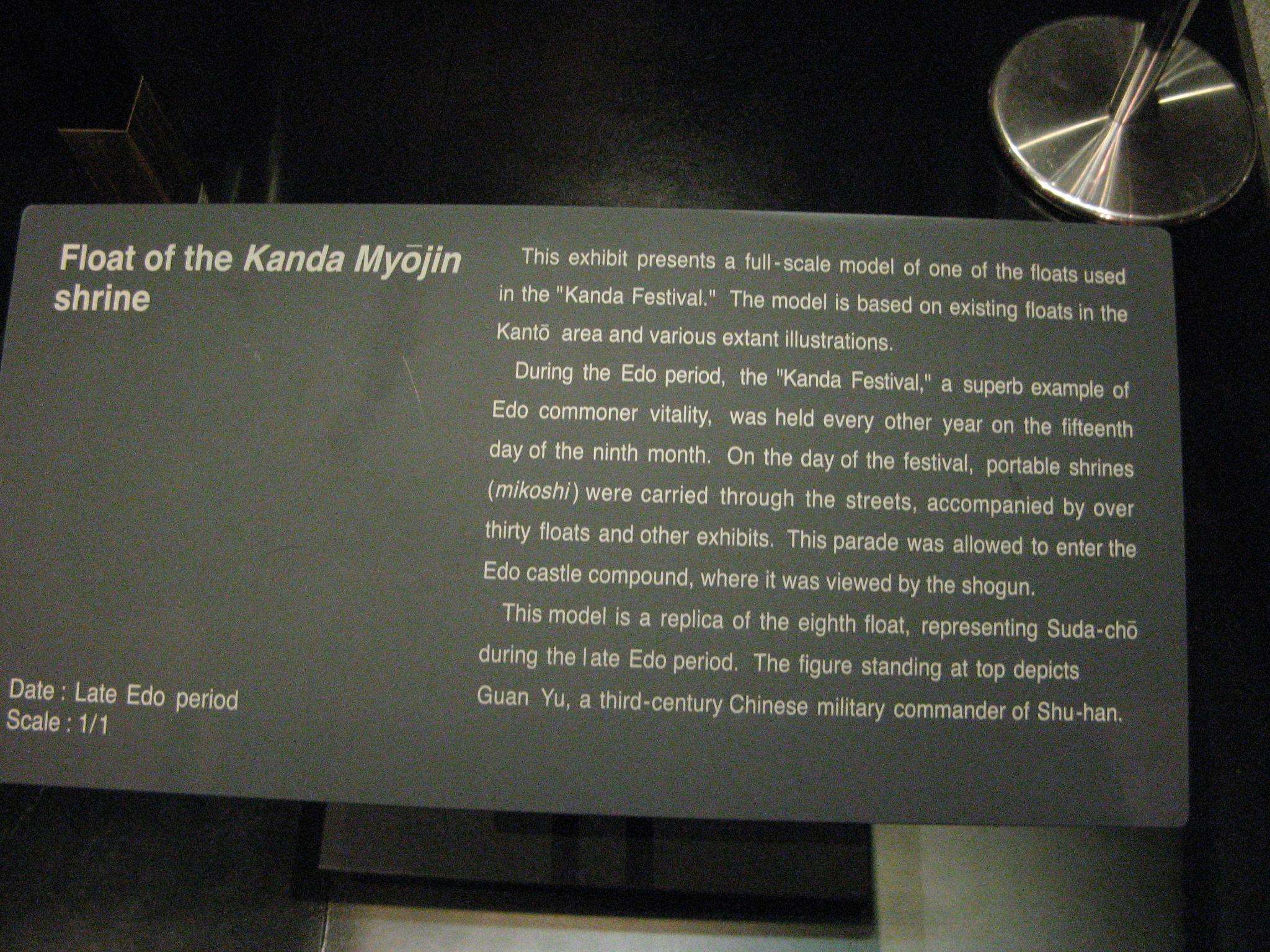
"Kanda Festival" Shrine with Guan Yu (a god of fortune for them) on top.
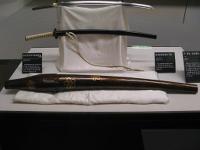

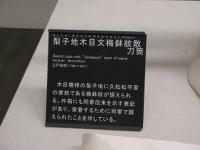
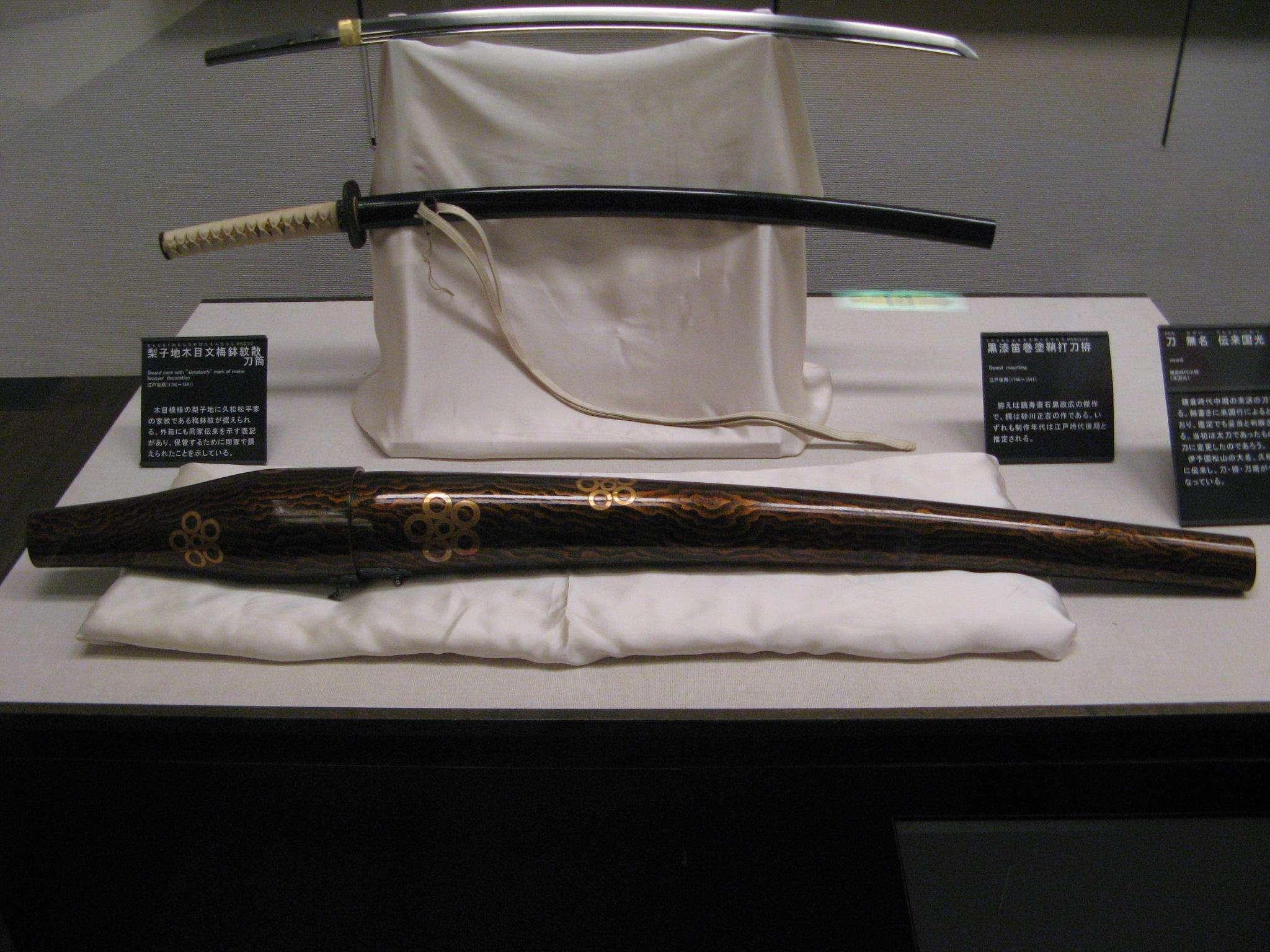
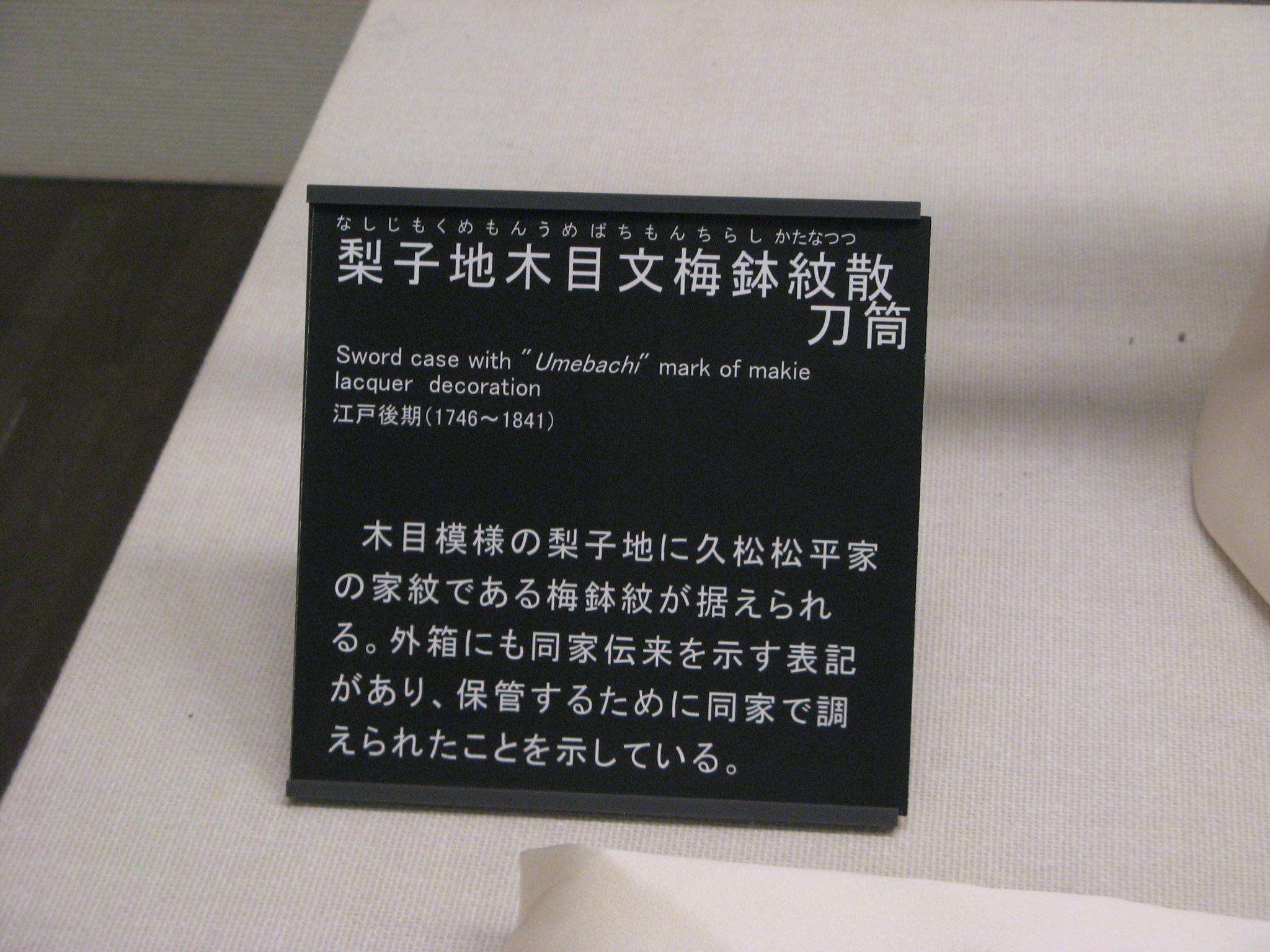
Sword case with "Umebachi" mark of makie lacquer decoration
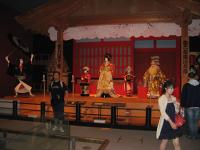

Sukeroku Kabuki scene
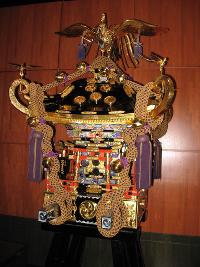

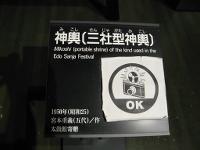
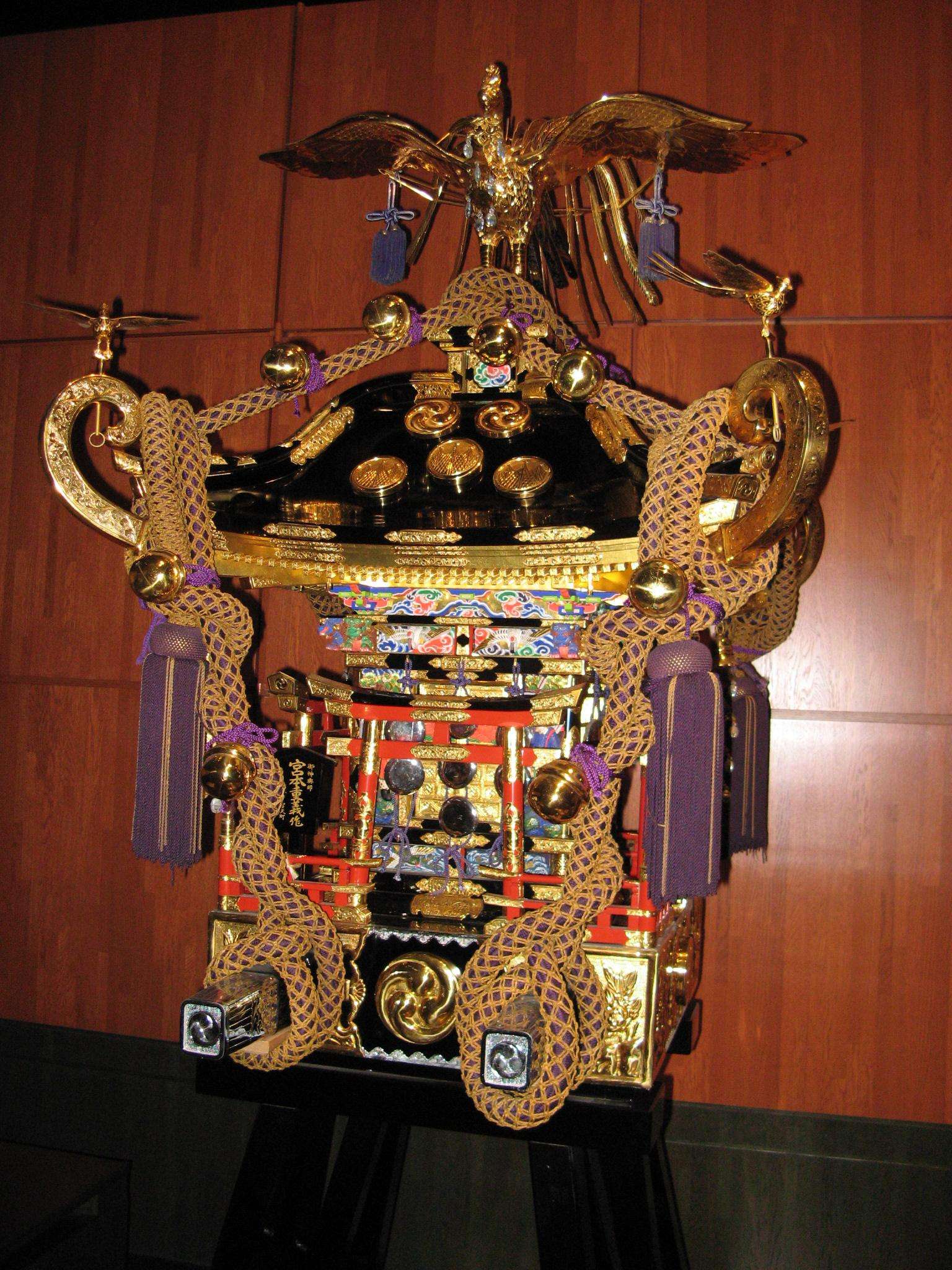
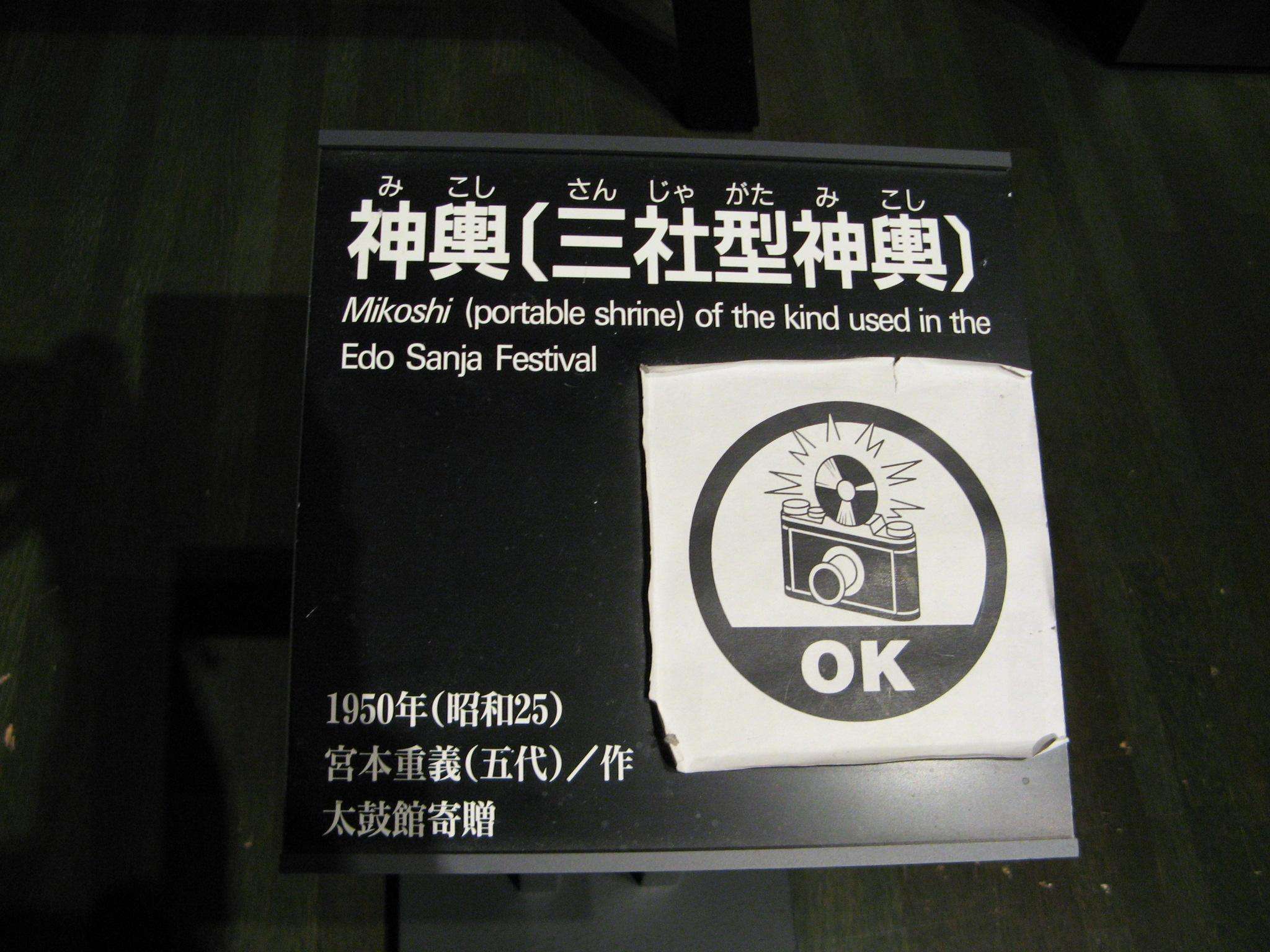
Mikoshi (portable shrine) of the kind used in the Edo Sanja festival

There was also a nice scale model of Edo.

The guide left us at this stage, so we didn't have interesting tidbits about early 20th century Tokyo, but the information panels were interesting enough.

Some old signs and books the museum had also had furigana (hiragana on top of kanji as a pronunciation guide). I don't know they they bother keeping kanji.

An information panel for one old-style bicycle claimed that the front wheel was "large to catch speed". ???
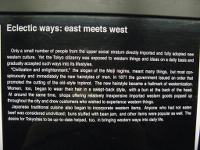

"Eclectic ways: east meets west
Only a small number of people from the upper social stratum directly imported and fully adopted new western culture. Yet the Tokyo citizenry was exposed to western things and ideas or a daily basis and gradually accepted such ways into its lifestyles.
"Civilization and enlightenment," the slogan of the Meiji regime, meant many things, but most conspicuously and immediately the new hairstyles of men. In 1871 the government issued an order that promoted the cutting of the old-style topknot. The new hairstyle became a hallmark of westernization. Women, too, began to wear their hair in a swept-back style, with a bun at the back of the head. At around the same time, shops offenng relatively inexpensive imported western goods popped up throughout the city and drew customers who wished to experience western things.
Japanese traditional cuisine also began to incorporate western items. Anyone who had not eaten beef was considered uncivilized; buns stuffed with bean jam, and other items were popular as well. The desire for Tokyoites to be up-to-date helped, too, in bringing western ways into daily life."
What's so modern about eating "buns stuffed with bean jam" (anpan)?!
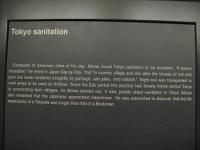

"Tokyo Sanitation
Compared to American cities of his day, [ES] Morse found Tokyo sanitation to be excellent. "It seems incredible," he wrote in Japan Day by Day, that “in country village and city alike the houses of rich and poor are never rendered unsightly by garbage, ash piles, and rubbish.” Night soil was transported to rural areas to be used as fertilizer. Since the Edo period this practice had closely linked central Tokyo to surrounding farm villages. As Morse pointed out, it also greatly aided sanitation in Tokyo. Morse also remarked that the Japanese appreciated cleanliness. He was astonished to discover that the life expectancy of a Tokyoite was longer than that of a Bostonian."
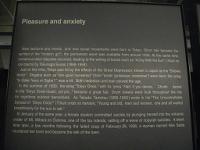

"Pleasure and anxiety
New fashions and trends, and new social movements were born in Tokyo. Short hair became the symbol of the “modern girl”; the permanent wave was available from around 1930. At the same time, numerous labor disputes occurred, leading to the writing of books such as “A City With No Sun” (Taiyo no nai machi) by Tokunaga Sunao (1899-1958).
Just at this time, Tokyo was hit by the effects of the Great Depression, known in Japan as the “Showa terror.” Slogans such as "ero-guro nansensu" (from “erotic grotesque nonsense”) were born; the song “Is Sake Tears or Sighs?” was a hit. Both hedonism and fear colored the age.
In the summer of 1933, the song “Tokyo Ondo,” with its lyrics “Hah, if you dance, Choito dance to the Tokyo Ondo music, yoi yoi...” became a great fad. Drum towers were built throughout the city for nighttime outdoor dancefests. As Takada Tamotsu (1895-1952) wrote in his “The Uncontrollable Spread of Tokyo Ondo” (Tokyo ondo no hanran), “Young and old, men and women, one and all waited breathlessly for the sun to set.”
In January of the same year, a female student committed suicide by plunging herself into the volcanic crater of Mt. Mihara on Oshima, one of the Izu islands, setting off a wave of copycat suicides. A short time later, a few months following the failed coup of February 26, 1936, a woman named Abe Sada murdered her lover and became the talk of the town."
Plus ca change...; the last paragraph is particularly wth
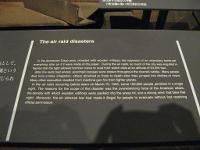

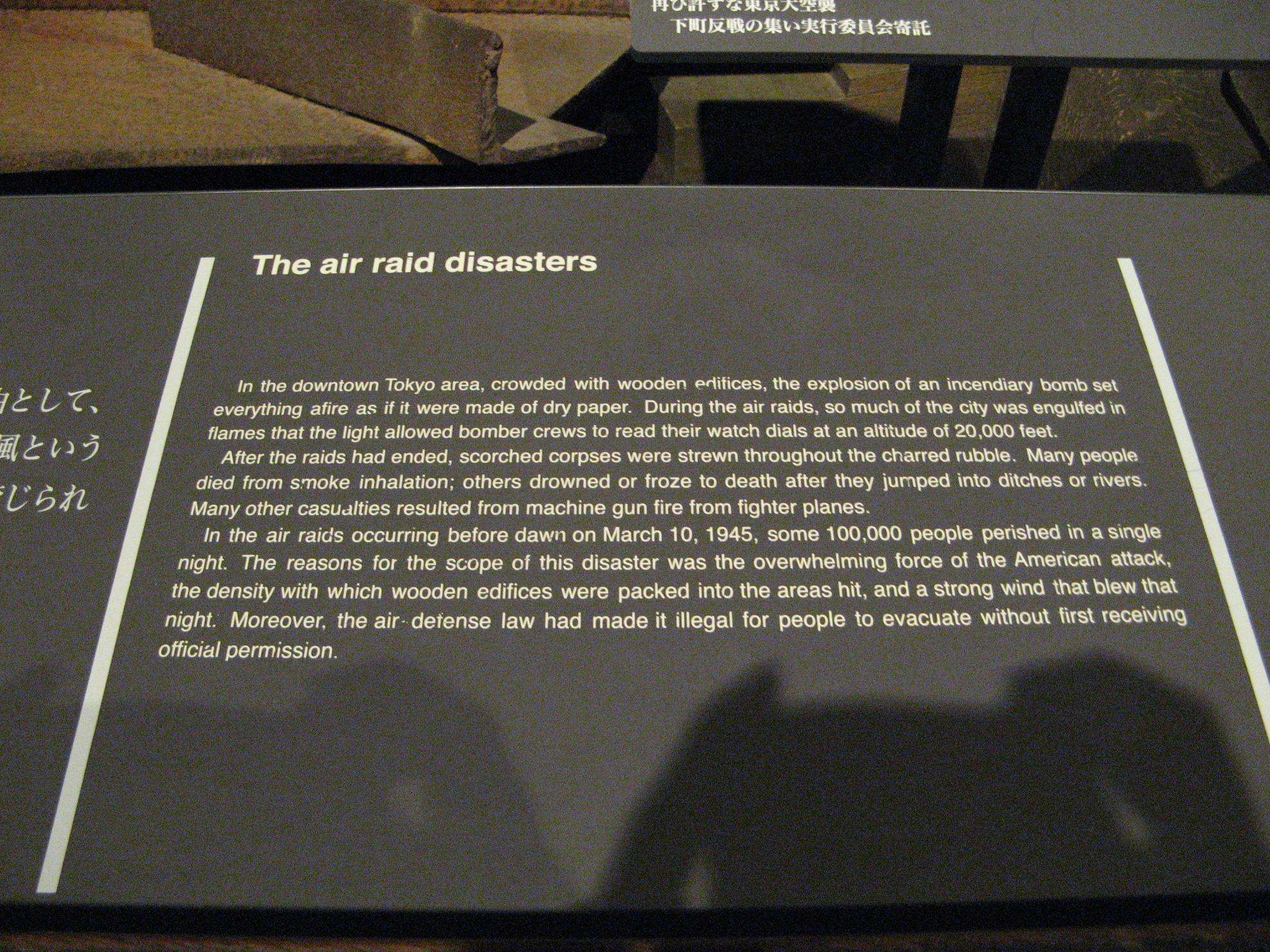
"The air raid disasters
Some 100,000 people perished in a single night... the air-defense law had made it illegal for people to evacuate without first receiving official permission."
The wonders of bureaucracy. You also needed permission granted for the brightness of your flame

Interestingly, the incendiary bombing of urban cities was started by the Japanese when they bombed Chongqing. Hah.

There was a People's Rights Movement campaigning to grant people decadent Western democratic rights, but there was a backlash of traditional values and in 1890 the Imperial Rescript on Education was promulgated. Education was changed to incorporate Asian Values and nationalism. This was one reason why 40 years later there was a rash of "incidents". The National Education lessons that we can learn are profound indeed.

During the war people polished rice by putting it in a bottle and beating it with a stick.

Having finished the permanent collection, I moved on to the special exhibition: "The Perry & Harris Exhibition: The Dawn of US-Japan Relations". Even with a joint ticket, it was expensive and a boring exhibition (not least due to the lack of English signage - only section overviews and names and provenances of items were in English); I'm glad I'm not the only one who thought so ("We expected to have a rewarding experience learning about the beginning of the Bakumatsu period, but instead learned that is possible to fall asleep while standing on one's own two feet!")

Photography was disallowed so you'll have to content yourself with my snide remarks.

The exhibition said the 1858 treaty was the "starting point for the close Japan-US relationship that continues today". They seem to have missed a few "incidents"...

The text of the treaty (in both English and Japanese) was displayed. The American version of the treaty was much longer than the Japanese one, probably because the latter just read: "We surrender. Please don't kill us"

Perry is usually portrayed as violent and a violator of Japan, but here it was revealed he exchanged gifts and banquet invitations with the Japanese. For their banquets, the Japanese cooked Japanese food, while the US cooked French (hah, not American!)

For the exhibition, they managed to dig up a lot of stuff from US museums. Including a piece of Japanese porcelain from the Smithsonian Institution's Natural History museum (the fact that Anthropology is under Natural History is RACIST!) And also drawings from Munich's Ethnology Museum.

Harper's Weekly Journal of Civvilization drew the first Japanese ambassadors in 1860 as Negroes.
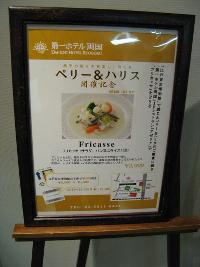

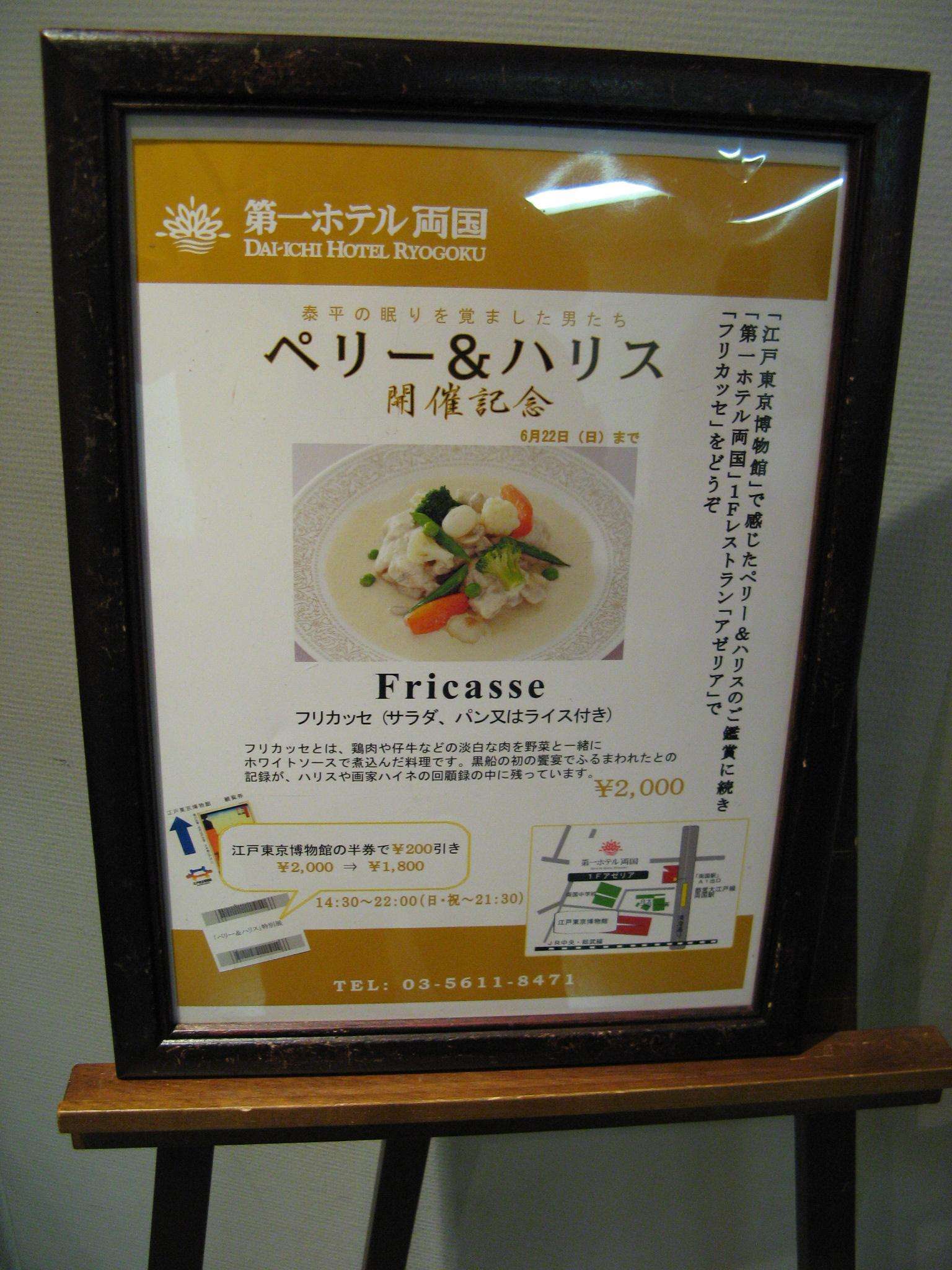
Get a 10% discount on this Fricasse with your ticket stub
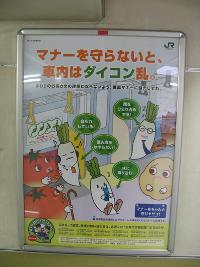

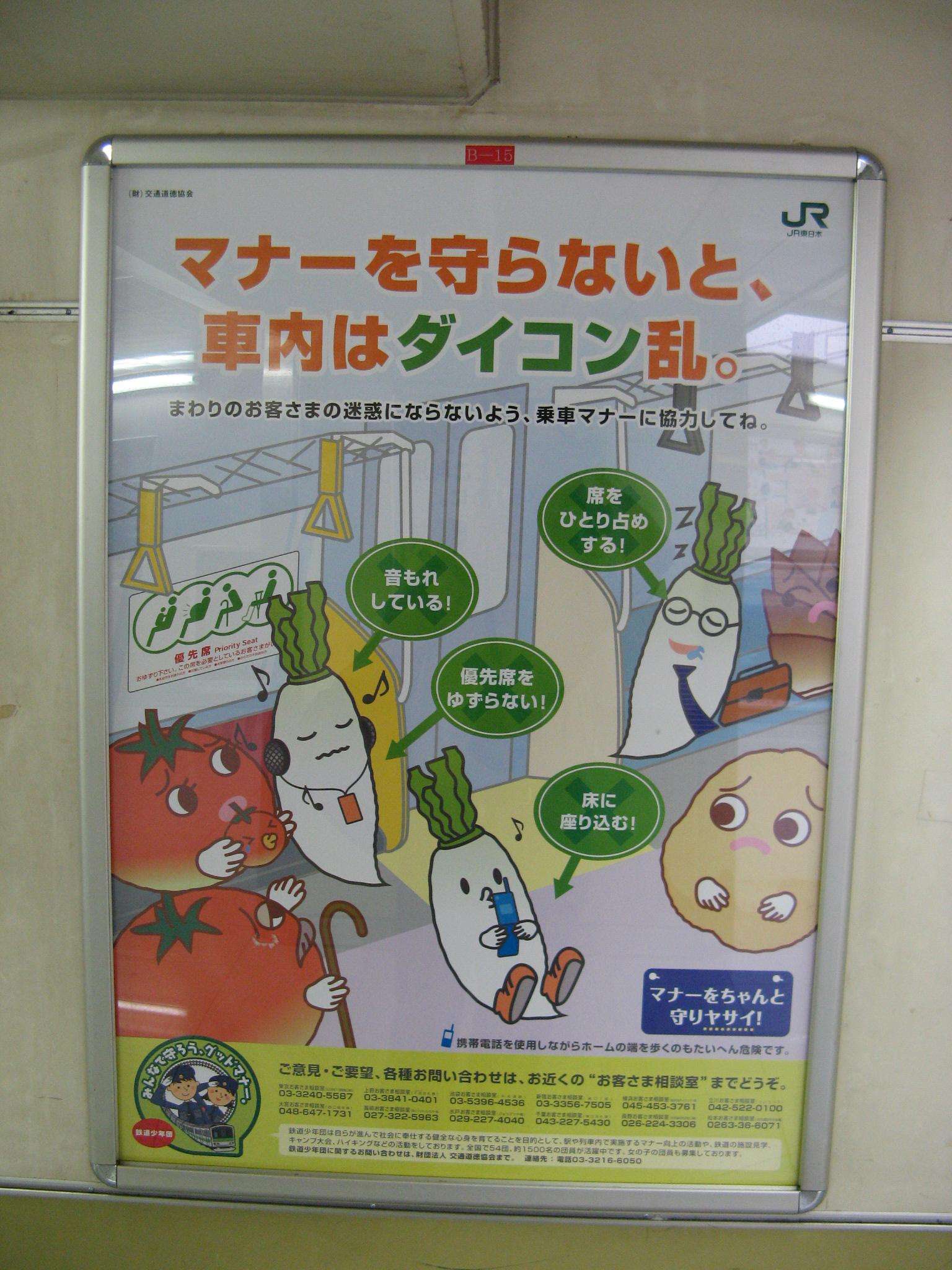
Veggies on the train (???) Maybe the moral of the story is that veggies are bad.
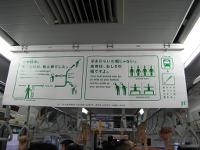

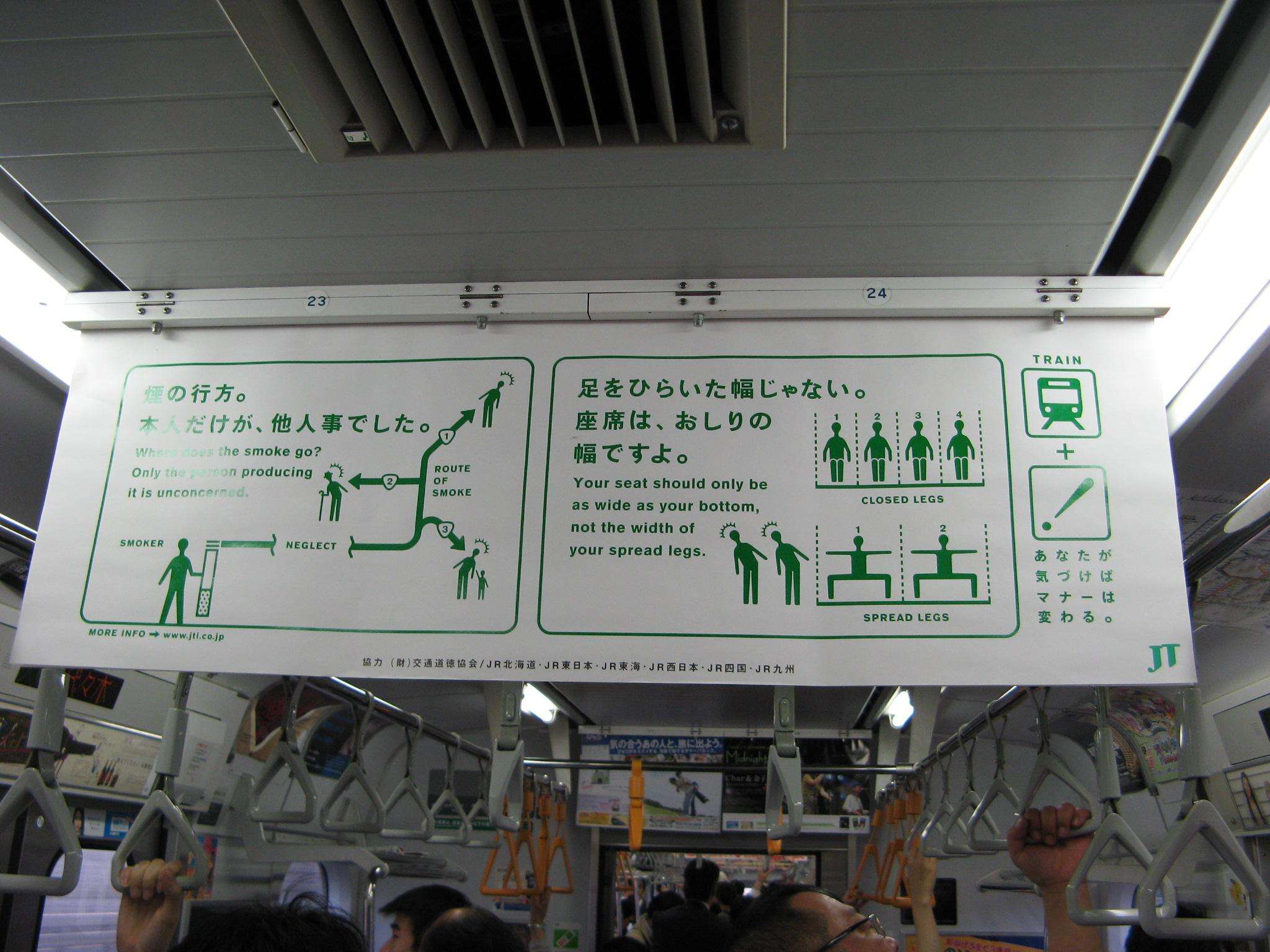
"Your seat should only be as wide as your bottom, not the width of your spread legs."
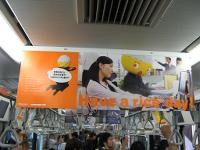

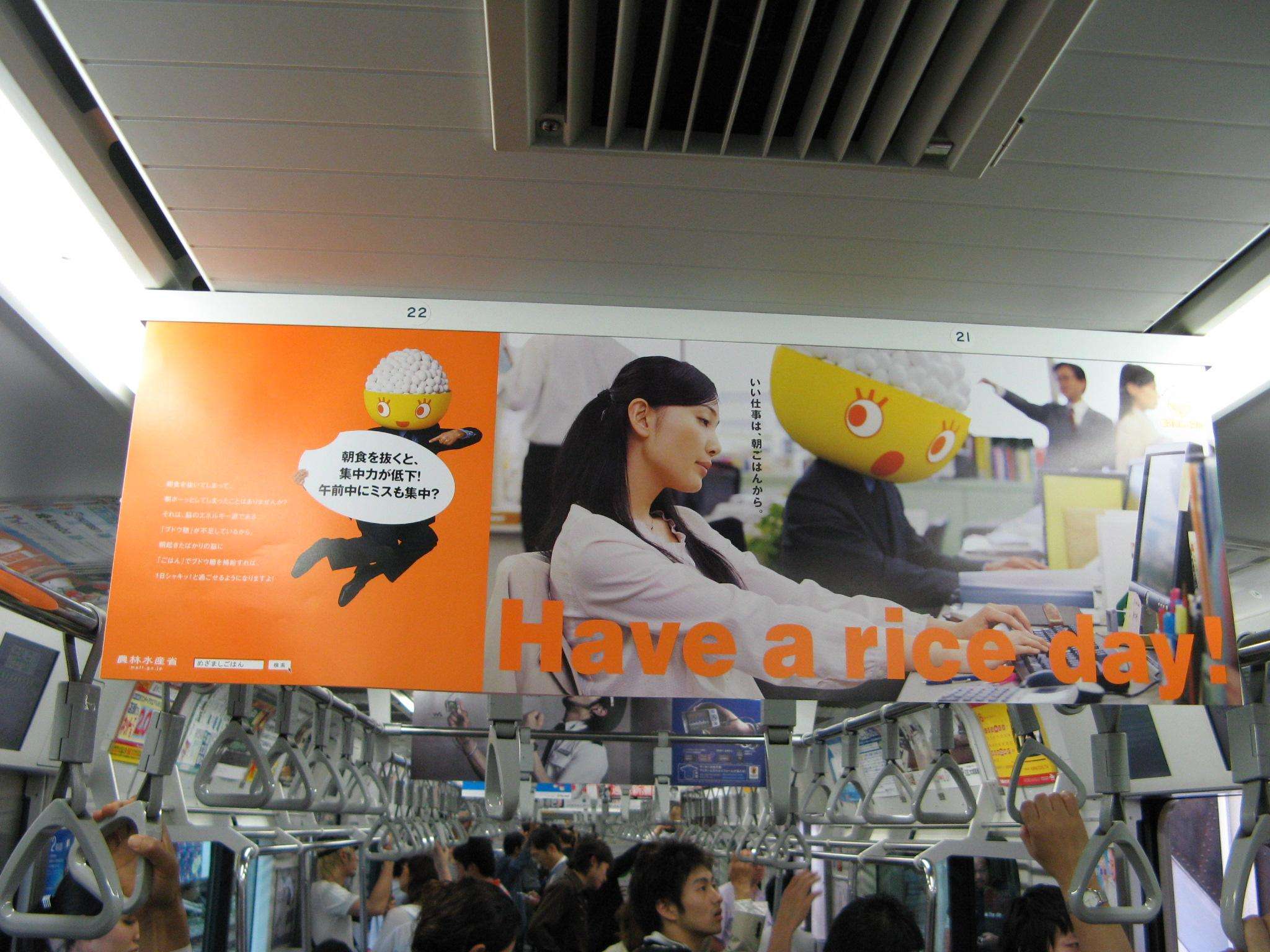
"Have a rice day!"
GAH. This is Japan, why do you need to encourage rice consumption?!

Friday, December 02, 2005

National Education Lesson: Japanese language policy in Asia until 1945

Linguistic imperialism: Japanese language policy in Asia until 1945

"The goal of the cultural/educational policy in Japan-ruled areas was to linguistically, culturally and morally Japanize/imperialize or brainwash the local people by means of school education. The wartime implementation of the policy was extremely harsh: while the Japanese militaristic government launched the propaganda of liberating Europe/US-colonized Asia and establishing a Daitoa Kyoeiken [Greater East Asia Co-prosperity Hemisphere] in its place, with Japan as the leader of the Hemisphere. It actually implied mobilization of resources, both manual and natural, from the occupied areas as it did so. The Japanese education in Japan-ruled areas as well as in Japan was directed to serve this scheme. But the scheme collapsed with the defeat of Japan in 1945.

What characterized the Japanese cultural and educational program in the colonized/occupied areas was the inculcation/indoctrination of Japanese spirit of ethnocentric ideology. It was intended to inspire the new subjects to believe in Japan being a god's country. In addition, the diffusion of Japanese was incorporated, which resulted very often in stamping out the local languages, traditional culture and values. The ultimate goal was to produce loyal subjects of the Japanese Emperor by compelling assimilation of all the dominated people into the existing Japanese order. With this policy of forced assimilation, the Japanese language, which was intended to become a lingua franca within the hemisphere, played a key role in integrating Asian peoples under the Hakko Ichiu [the eight corners of the world under one roof] framework. The educational programs under the Japanese authorities particularly compelled the acquisition of Japanese...

The educational principles of the military administration in Malay/Singapore under Japanese claimed that:

  1. Cultural and educational administration of the occupied areas lies in demonstrating to the Southern peoples the Japanese imperial spirit of Hakko ichiu and unify the national cultures into Japanese culture,
  2. education should contribute to master useful industries and skills in order to promote local industries,
  3. Japanese should be diffused to promote common communication in the Kyoeiken Hemisphere,
  4. respect to labor and promotion of industrious mind should be enhanced. (Fundamental Principles on Education: 1.1942)
"


There daily seem to be new lessons we can learn, in National Education classes, from the Japanese Occupation of Singapore.

Today's lesson (with reference to the quoted extracts above):

One always has to be critical of what one learns in school, and not accept it blindly as gospel truth, since it may be taught for reasons other than strictly pedagogical ones.

Tuesday, April 12, 2005

"Is sloppiness in speech caused by ignorance or apathy? I don't know and I don't care." - William Safire

***

Someone I asked about Marshall's Curse (see below): aren't u supposed to be the purveyor of all obscure information?

...


Hate mail on the previous poem:

Xenophiyl: "ur critisizing ur ex schl? how loyal, bastard. as bastardy as the idiot hu wrote it"

Response: "Quite apart from your inability to write properly, not only do you not get the point of the poem, you seem to have fallen prey to the curious conflation popular in our country that criticism and attack are necessarily the same thing; loyalty, patriotism and slavish adherence to the propagated line are treated as one and the same thing.

Indeed, often it is through spirited criticism aimed at improving the general condition that we show our loyalty."

***

The Associate: i generally hate lawyers

the SACSAL quotient in SMU is considerably smaller. lots of bananas who either can't afford to really go overseas or are too fucking dysfunctional to leave.

nw.t: i realise that i have a lot of friends who have reached out and made their dreamsof what their lives to be into reality. one of my oldest and best friends is now a technology writer for PCMagazine. another is a teacher. still another is ajournalist.

but i've been conditioned by my parents and my family my whole life that i have to slog and suffer in order to achieve something. do the hard sciences or the economics; avoid the arts subjects. study hard. don't bother about girls. which is part of why i chose my current career path. my cousins and i sneer at people who do artsy stuff as wimpy liberals "following their path" as opposed to discharging their responsibilities

looking back i have a lot of anger at being forced to be what i am, and,e ven worse, being not quite there either

Me: well
you were the one seduced by tapas
blame them not
we are all pressurised by society

He Who Must Not Be Named: true
oh well

Me: I was expected to apply to law or even engin
yet I eschewed that

it's part of the sinister chinese culture about doing only 'productive' things
following your pre-ordained path, filling your pre-ordained place

which I suspect was one reason why the Chinese got left behind after the Ming

***

More lessons that we, in National Education, can learn from the Fall of Singapore to the Japanese:

"What I find bitterly ironic is that National Education draws a militaristic, nationalistic lesson from WWII and the Japanese occupation of S'pore. It is ULTRA-NATIONALISM and the idolatry of the nation-state over the individual that produced the aggressive foreign policy of Japan and led to countless atrocities. Nationalistic fanatism was the force behind the evils of WWII, at least in the Pacific theatre of the war. But what does the govt do when they recount the events of 41-45 to our school children? "We must ourselves defend Singapore, do you want this to happen to you, we must have NS, blah blah blah blah"."

Ed: This was from YR.

***

Another guestbook entry that makes me go "what the hell?!". If anyone can figure it out, please tell me:

Name: Another Azn
Email: No Matter...@Hotmail.com
Homepage: Let c u find it..!
Where are you from?: My mother

Comments: Wow man u say alot... shit is that all hand typed.?. J/ wanted to giv u PROS for the site... Needs more picture... Live it up for Asianzzzzz...We here 2 stay!!!! U Da Man

***

Amusing review of Eye of the Dragon, the first "new" Fighting Fantasy book released in a decade (actually a previously written adventure by Ian Livingstone):

"Fighting Fantasy 21 - Eye Of The Dragon.

He's willing to tell you all the details you need to find this dungeon, and the treasure within. The catch? All you need to do is drink this vial of slow acting poison (to which he has the antidote) so he knows you'll bring him back a share of the treasure by way of reward instead of just absconding with the lot. Now at this point, anyone with half a brain would have stopped and thought "hang on, he's expecting me to drink poison?" and promptly told Henry Delacor where to get off. Not so with the hero in Ian Livingstone's latest below par tale. Nope, you take the poison and gulp it down without a second thought. No wonder you're always so short of funds if you're this stupid.

... In fact, a good portion of the book involves nothing more inspiring than simply wandering along very mundane corridors and deciding whether or not you want to open a perfectly ordinary door. Ho hum. You can see just how Mr Livingstone writes so many books. He just uses the same ideas over and over again. And they're not even particularly good ideas.

Push open a door and you find a whole variety of unlikely people and places beyond. One room even has a merchant. A merchant? What, he decided to set up shop not in a city but in a dungeon inhabited by hordes of monsters underneath Darkwood Forest? Yeah, right… Actually it was nice meeting the merchant because at least it introduced me to someone dumber than an adventurer who willingly drinks poison.

Other rooms contain pretty standard adventuring fare: a throne which adds a nice little boost to your SKILL if you sit on it*, dozens of items which seem to serve no little purpose and the usual monsters to kill. There are a few NPCs from time to time but their dialogue is so poorly written that it often seems like they've been replaced with cardboard cut outs while you weren't looking.

* An amazing magical device which can actually boost the fighting abilities of someone who sits upon it just so happens to be found in a dungeon beneath Darkwood Forest? Apparently so.

RATING: 1 out of 10"

Someone else: "EotD is a damn sight better than Crypt of the Random Trivia and Armies Of Pie-Eating. Let alone SkyLord. And it makes a change from yet another Chaotic threat that will destroy the world unless you make a LUCK roll."

***

食虫少女2
(Translation: The young girl who eats cockroaches - 2)

OMG WTH. Just when I thought the Japs couldn't get any wackier... This means that there was a part 1...

Someone: what is mars spirit...some sort of Jap fear factor, I guess...

japanese and koreans are alike...they try to attain the ideal for "Oriental Land of Manners" on one hand, and entertain more perverse entertainment than any other nations on Earth...

The most perverse film I saw last year was South Korean...they're good man...
Korean movies have very sadistic tendencies...the movie was OLDBOY, it featured incest, hammer-assisted teeth pulling, sliced off tongues, live squid eating and drug-induced hallucinations involving ants...

***

http://penisland.net/ - "Welcome to Pen Island, the best place to get custom made pens on the internet! "

eBay item 5566217149 (Ends 26-Mar-05 23:53:38 GMT) - Haunted Possessed Disney Stitch Teddy Dangerous? - It went for US$11,100.00.
Courtesy of phelan

14-Year-Old Learned How to Burgle Watching CSI - "A 14-Year-Old in Florida admitted to breaking into houses and breaking into over 100 cars - most of them in this week. When asked how the youth had learned his art he replied he watched CSI: Crime Scene Investigations to study up on it."

A little less cheer in those cheerleading routines, please - "Representative Al Edwards of Houston proposed last week to bar "sexually oriented" performances during sporting events at Texas schools. "The way they're moving their bodies, it's not twirling or doing the splits. Those majorettes are doing things that are sexual," said Edwards."
Associate Flesh Parade isn't popular in some quarters, it seems.

How to Blog Safely (About Work or Anything Else) - Unfortunately, safe blogging tends to vary inversely with honest blogging.

Singapore Model United Nations [Conference] - I notice they do not have the support of the United Nations Association of Singapore (UNAS). Why, I do not know.

***

One of the ways the Economics Society raises money is by selling suggested solutions to past exams. Each set of answers is 2-4 pages long, costing them 5-10 cents to produce (assuming they are charged the normal photocopying rate), and is sold for $1 each - a fantastic level of profit, ignoring labour costs (zilch, since helpers are paid in ECA points). At least one entrepreneurial businessman (there might be more) saw a chance to erode the supernormal profit of this monopoly, and pirated the solutions - instead of 3 sets of solutions for 3 dollars, he sold 3 sets for a dollar, still making a profit. In the end sales were about half last semester's. A pity they didn't apply to real life the lessons they learnt in class :)

I think I'm becoming used to SACSALs. I don't even notice dyed hair anymore, and I doubt that's because the trend has ended, or that the sun has faded the dyes. "They speak with the damn China/Beijing accent. Nonstop... now I have to deal with a cacophony of fugly ah-lians, with voices like banshees in heat." - Azrael on SACSALs.


Quotes:

[On peer review] Don't let me give you your essays back. That's a classic Dr *** move.

[To me] Your hair looks different everyday

[On someone illegally zapping exorbitantly priced exam solutions for sale at a lower price] He's the pirated VCD seller... [charge a] two-part tariff.

The same as firm's one (firm one's)

[On Galton discovering that tall fathers have shorter sons, and vice versa] This is something that I can verify [personally] *laughs* You are making your own hypothesis already.

[On error terms in regression analysis] Why am I telling you these stories about the History of Science? Because that is my hobby...

I think everyone should know who Alfred Marshall is. If you don't know you should leave the room, you shouldn't be doing economics. *someone stands up* Just kidding, just kidding.

[On something about putting Price on the Y axis instead of the X axis, as it should be, since it's the independent variable] This leads to all sorts of misery for students today, and we call that Marshall's Curse. [Ed: Anyone who can clarify what Marshall's Curse is is invited to contact me.]

This word here is homo'scare'dare'city. If you find that hard to pronounce, blame Karl Pearson. (homoscedasticity)

Remember our ep'sai'lorn? (epsilon)

[Me on Screwed Up Girl] Girls making fun of a girl liking pink - what does that tell you?

As China assess to the, join the WTO. (accedes)

The pencil-sized battery in India. It was seven bucks. [Professor: Seven bucks?] Seven Indian rupees.

The government simply bills you out (bails)

[On the US and the Middle East] Either they try to be on good terms with those countries, or they attack them, for the oil.

You are supposedly to grant every nation 'Most Favoured Nation' [status] (supposed)

They could be buying hwheat (wheat)

If all the developing countries are in this shoe, this framework (situation)
Related Posts Plugin for WordPress, Blogger...

Latest posts (which you might not see on this page)

powered by Blogger | WordPress by Newwpthemes